



In 15 cities across America, you can hail a taxi with no driver. Robotaxis from Waymo and other driverless car services are expanding, but so are the stories about these vehicles making dangerous mistakes.
Every driver learns one rule before getting a license: When a school bus stops and that red sign swings out, you stop. But what happens when there is no driver?
Today, Lyndsay Keith speaks with Adela Uchida of CBS Austin and Missy Cummings, a former federal auto safety adviser, about repeated safety incidents involving Waymo and whether cities are moving too quickly to put robotaxis on the road.
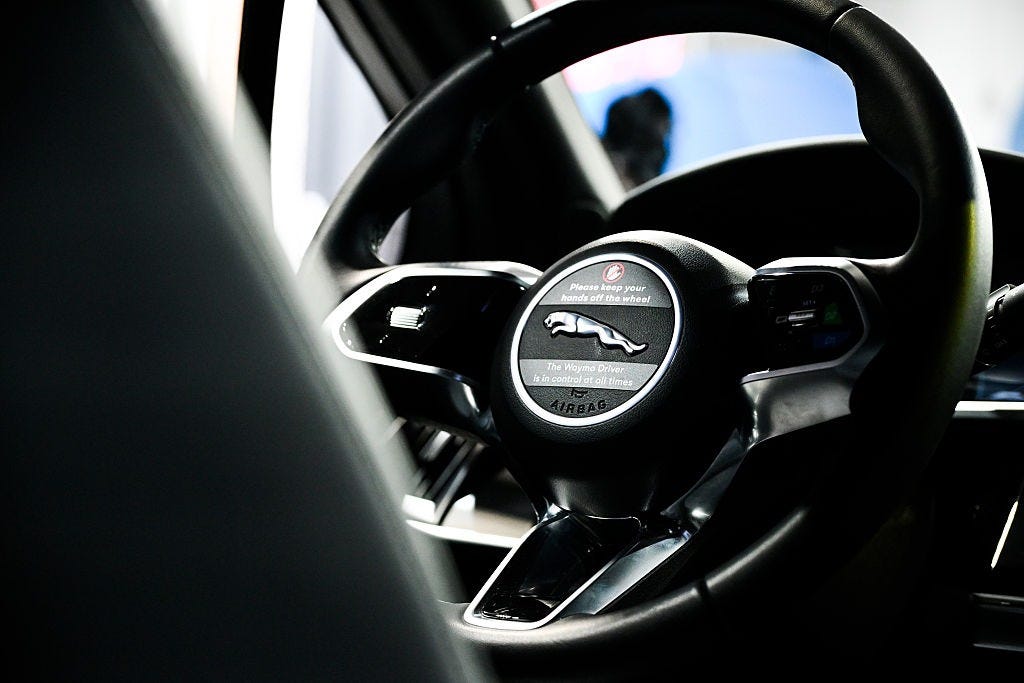
Waymo’s School Bus Problem Persists Despite Software Fix
In Austin, Texas, the school district says Waymo’s driverless cars have illegally passed stopped school buses 19 times, including five incidents after the company updated its software to address the problem.
Adela Uchida of CBS Austin has been following the incidents, which were recorded by cameras mounted on the district’s buses. In some cases, Waymo vehicles drove around buses with their red lights flashing and stop signs extended, creating a serious risk for children getting on or off.
Fortunately, no children were injured. But the Austin Independent School District sent its findings to federal regulators, who are now investigating whether Waymo’s software fix actually worked.
And Waymo is facing trouble on another front. California has banned its robotaxis from freeways, citing an imminent hazard to public safety after vehicles entered active construction zones and encountered highway patrol officers. Waymo responded by suspending freeway rides across the country, including in Austin, where the service had only recently launched.
The company maintains its vehicles are safe and says it has made significant improvements around school buses. Adela says parents are frustrated, and the district continues monitoring the vehicles and recording violations.
But she also points out why some people have embraced the technology, and that robotaxis can offer convenient transportation for riders.
The question is whether those benefits outweigh the risks when the cars encounter situations they’re not prepared to handle.
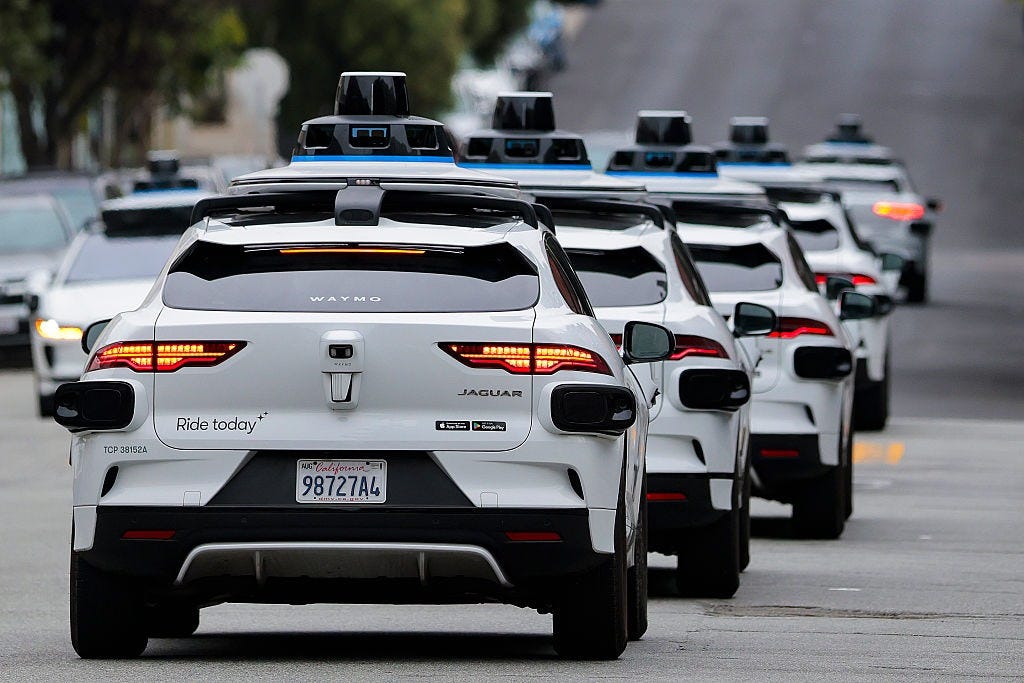
Washington, D.C., Says Not Yet to Driverless Taxis
Last week, Washington, D.C., had a chance to say yes to cars with nobody behind the wheel. It said not yet.
A D.C. Council committee deadlocked 3-3 on legislation that would have allowed Waymo and other robotaxi companies to operate commercially in the nation’s capital. Even last-minute changes adding labor protections and limiting the number of robotaxis weren’t enough to secure approval.
Mayor-elect Janeese Lewis George led the opposition, warning that D.C. shouldn’t become a testing ground for experimental technology.
Missy Cummings, a former Navy fighter pilot and federal auto safety adviser who directs George Mason University’s Autonomy and Robotics Center, says she’s not surprised.
Cummings argues that driverless cars struggle when driving conditions aren’t normal, whether that’s a construction zone, a school bus, railroad tracks or emergency vehicles. She says these systems rely heavily on sensors, software and remote assistance when they encounter situations they can’t resolve.
Some of Waymo’s remote assistance personnel are based in the Philippines, something Cummings believes deserves greater federal scrutiny. Waymo says those workers provide guidance but don’t directly steer or drive the vehicles.
Cummings doesn’t support a mass ban of the technology. Instead, she wants companies to demonstrate they can operate safely before expanding. That could mean keeping robotaxis away from school zones during bus pickup and drop-off times or limiting them to less complicated roads.
Her concern is that companies aren’t doing enough testing before deploying new technology, leaving the public to discover its limitations.
And with robotaxis expanding into more communities, she believes regulators need to hold the companies accountable for mistakes, just as they would human drivers.
Have you ever ridden in a driverless car? Are you eager to see them expand, or should regulators spend more time developing safety rules?
Let us know in the comments.
The National Press
Real reporting. From real America.


