



It’s been three weeks since the midterm elections, and now comes the time for strategists to analyze what happened.
Republicans and their allies spent nearly $5.5 billion on campaign advertising, about $430 million more than Democrats, according to AdImpact. But Democrats still won control of the House and Senate, securing at least 258 House seats.
Today, Lyndsay Keith speaks with Republican digital strategist Eric Wilson about where voters actually got their election news and why he believes Republicans didn’t get outspent. They got out-posted.
Plus, Scott Thuman of ABC7 explains how Washington, D.C.’s incoming democratic socialist mayor plans to work with President Trump, who has tremendous influence over how the nation’s capital operates.
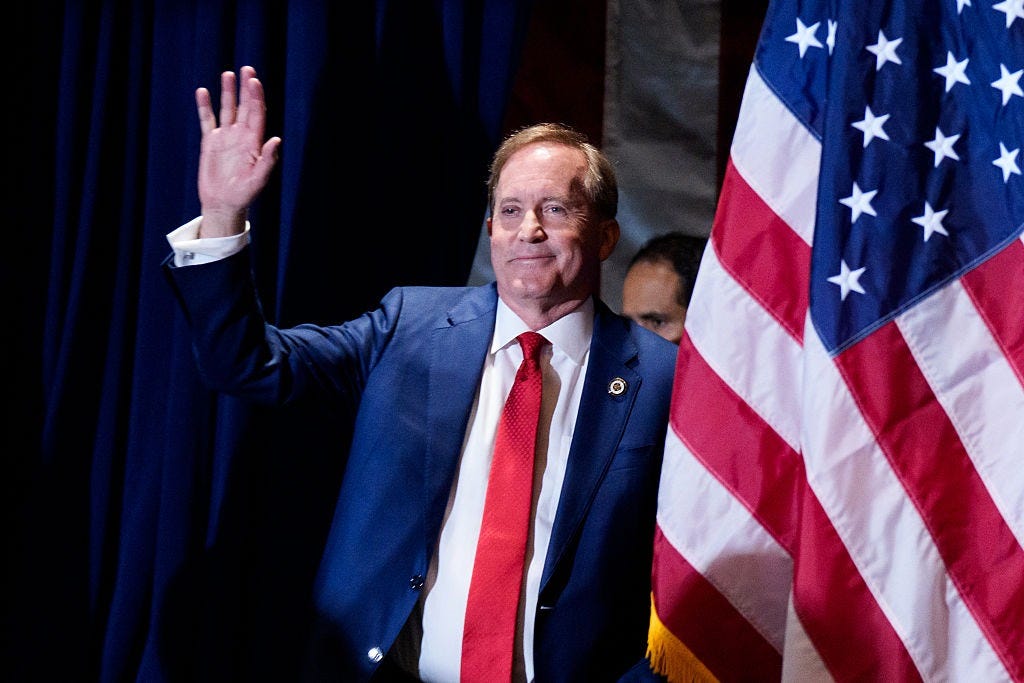
Republicans Spent More But Had Less Reach.
Most post-election analysis has focused on prices, tariffs, the war with Iran and an unpopular president. But Republican digital strategist Eric Wilson, who leads the Center for Campaign Innovation, says another culprit was hiding in plain sight: your phone.
Wilson’s organization surveyed voters about where they received election information and found Democrats reached more people across all 12 voter-contact channels it measured. Republicans came closest to matching Democrats through television advertising, even as voters increasingly turned to TikTok, YouTube, podcasts and social media for information.
Wilson says Republican candidates failed to follow President Trump’s successful 2024 strategy of appearing on popular podcasts and reaching audiences through online creators. Democrats, meanwhile, showed up in those spaces.
The gap extended beyond digital media. Wilson’s survey found Democrats also led Republicans in door knocking, while only six of 35 Republican Senate candidates had a TikTok staffer, compared with 23 Democrats.
And this isn’t just about young voters. Wilson says six in 10 voters now get news and information through social media. His research also found that 30% of voters used AI tools to learn about candidates for the election, nearly triple the share in 2024.
That creates another problem. When candidates don’t publish clear policy positions online, AI tools may pull information from outside sources rather than the campaign itself.
Wilson argues campaigns now have to communicate with two audiences: human voters and the algorithms and AI systems those voters increasingly rely on.
He also questions the effectiveness of constant fundraising texts, saying campaigns are asking some voters for money before they’ve even asked for their votes.
For Wilson, the lesson heading into 2028 is simple: Candidates have to show up where voters are, listen to what they’re saying and do the work. But the digital gap is his interpretation of a defeat that also reflected broader political and economic concerns.
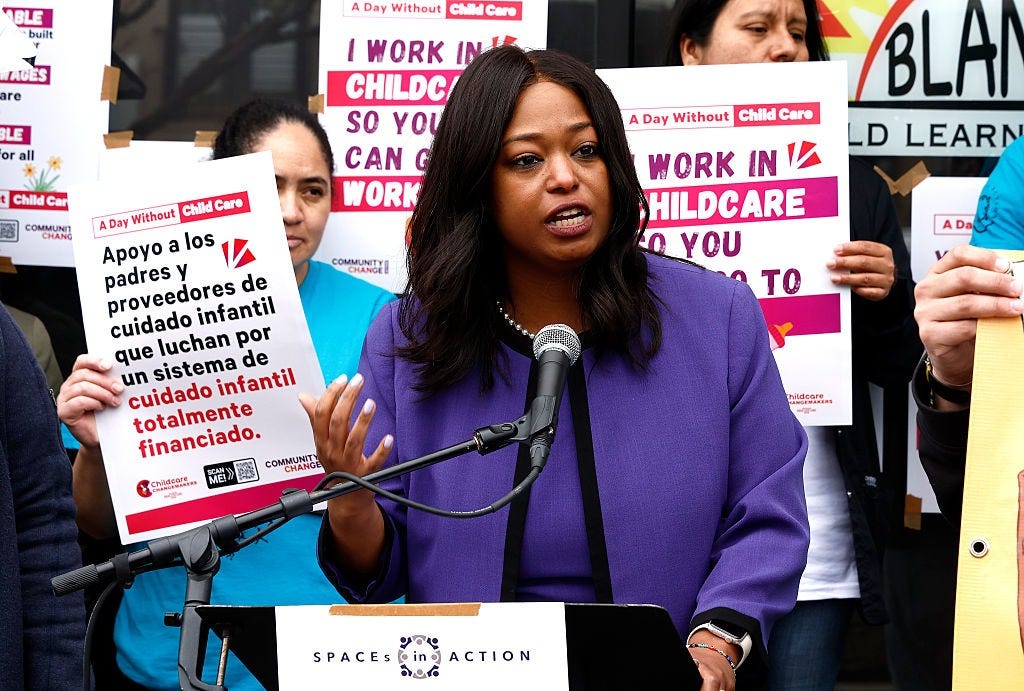
D.C.’s New Democratic Socialist Mayor Faces a Familiar Problem: Donald Trump
For the first time in 12 years, Washington, D.C., is getting a new mayor.
Janeese Lewis George will succeed Muriel Bowser in January, becoming one of the country’s most prominent democratic socialist mayors. She campaigned on affordability, housing, universal child care and a more confrontational approach toward President Trump.
But Washington isn’t like other American cities. Congress has substantial authority over the district’s laws and budget, and the White House can have an enormous influence on local affairs.
Scott Thuman, ABC7’s chief political correspondent, says that means Lewis George will have to balance her campaign promises with the practical reality of governing alongside a president she has strongly opposed.
Bowser learned to take a more transactional approach with Trump, including cooperating on the Washington Commanders’ stadium deal. Lewis George has promised to push back against federal immigration enforcement and the National Guard presence in the city, but she’s also said she’s willing to meet with the president.
Thuman says affordability helped propel Lewis George to victory, but delivering on those promises will require cooperation with Congress, the D.C. Council and potentially the White House.
Her election also represents a significant moment for the Democratic Socialists of America, which made gains in several major cities. But Thuman says the larger test is whether these leaders can turn campaign promises into results.
With Democrats preparing to take control of Congress in January, Lewis George will have more potential allies on Capitol Hill. Still, the president will remain a powerful factor in what her administration can accomplish.
And for voters, Thuman says the ultimate question is whether the new Democratic leadership can deliver tangible improvements in housing, groceries and everyday affordability rather than focusing exclusively on political battles.
Both conversations raise questions about what voters expect from their elected officials and whether anyone is listening.
What was the most effective way campaigns reached you this election? And are you seeing more DSA candidates in your community?
Let us know in the comments.
The National Press
Real reporting. From real America.


