


Is baby formula safe again after an infant botulism outbreak?
The FDA says yes, but our reporters started investigating and uncovered major gaps in the food safety system. And it raises a question that every parent standing in the formula aisle has asked: Is this safe?
Earlier this year, the FDA said yes after what it called the largest study of its kind. But the testing focused on chemical contaminants. It never looked for pathogens, including the bacteria that causes botulism. At the same time, the FDA was investigating a botulism outbreak tied to baby formula.
Today, Lyndsay Keith speaks with reporter Lisa Fletcher and producer Andrea Nejman of Spotlight on America, who’ve spent months chasing the truth about what the FDA tested, what it left out, and what parents still don’t know.
Plus, Pennsylvania becomes the latest state to ban cell phones in schools. We’ll look at why the governor signed the bill now and what happens next.
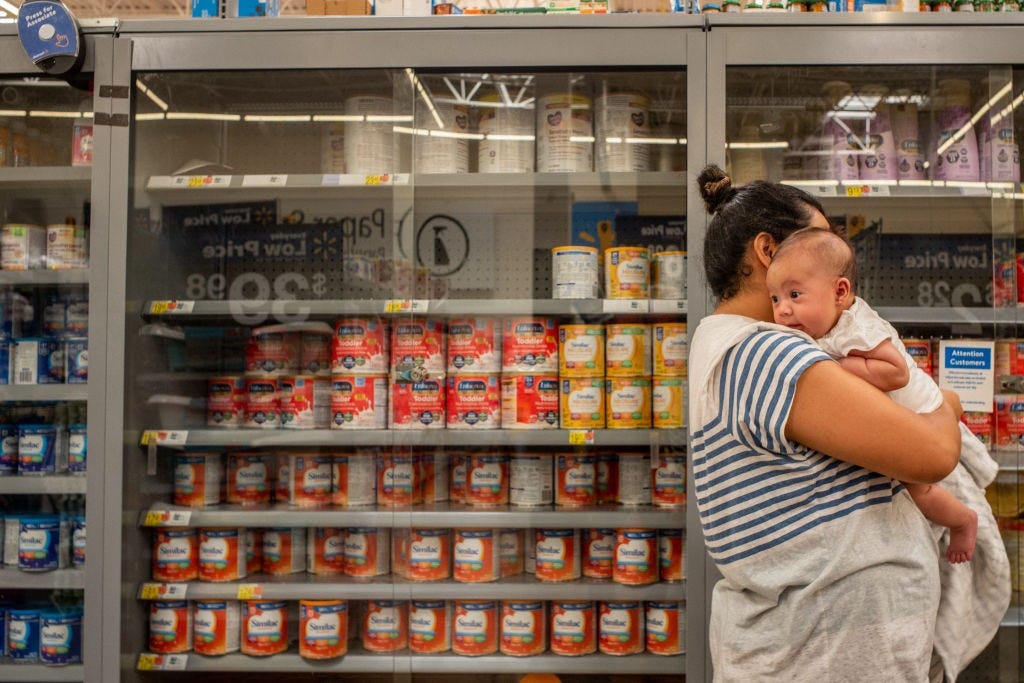
What the FDA Didn’t Test For in Baby Formula
Every parent who has stood in the formula aisle has asked the same question: Is this safe?
The FDA declared America’s infant formula supply safe after what it described as the largest and most comprehensive examination of chemical contaminants in formula.
But there was something missing.
Lisa Fletcher and Andrea Nejman of Spotlight on America have spent years investigating contaminants in baby food and infant formula. When they examined the FDA’s study, they discovered the agency hadn’t tested for pathogens.
And they were shocked.
The study examined things like heavy metals, PFAS, and phthalates, but didn’t include the bacteria that causes botulism, even as the FDA was investigating an outbreak tied to ByHeart infant formula.
Lisa says the FDA told parents what it didn’t find. She and Andrea wanted to know what the agency didn’t look for.
And the documents they obtained raised even more questions.
Internal records obtained through a Freedom of Information Act request show the FDA and CDC spoke with ByHeart about the botulism outbreak on November 20, 2025.
Just four days later, the FDA collected ByHeart samples for its formula study, which focused on chemical contaminants rather than pathogens.
Lisa and Andrea have repeatedly asked who decided to leave pathogens out of the study and why that decision wasn’t revisited once babies became sick. They say the FDA has not answered those questions.
The reporters contacted more than 70 lawmakers on House and Senate committees with oversight of the issue. Only one responded.
Investigators still haven’t determined exactly where contamination entered the formula supply chain.
When the reporters asked ByHeart which farm supplied milk used in the affected formula, the company said its contracts didn’t provide visibility into the farms.
Food safety experts say that without knowing where contamination originated, preventing another outbreak becomes difficult.
Congresswoman Rosa DeLauro has introduced legislation addressing botulism testing, but the reporters contacted more than 70 lawmakers with oversight of the issue and heard back from just one.
Meanwhile, parents are still trying to figure out what they can trust.
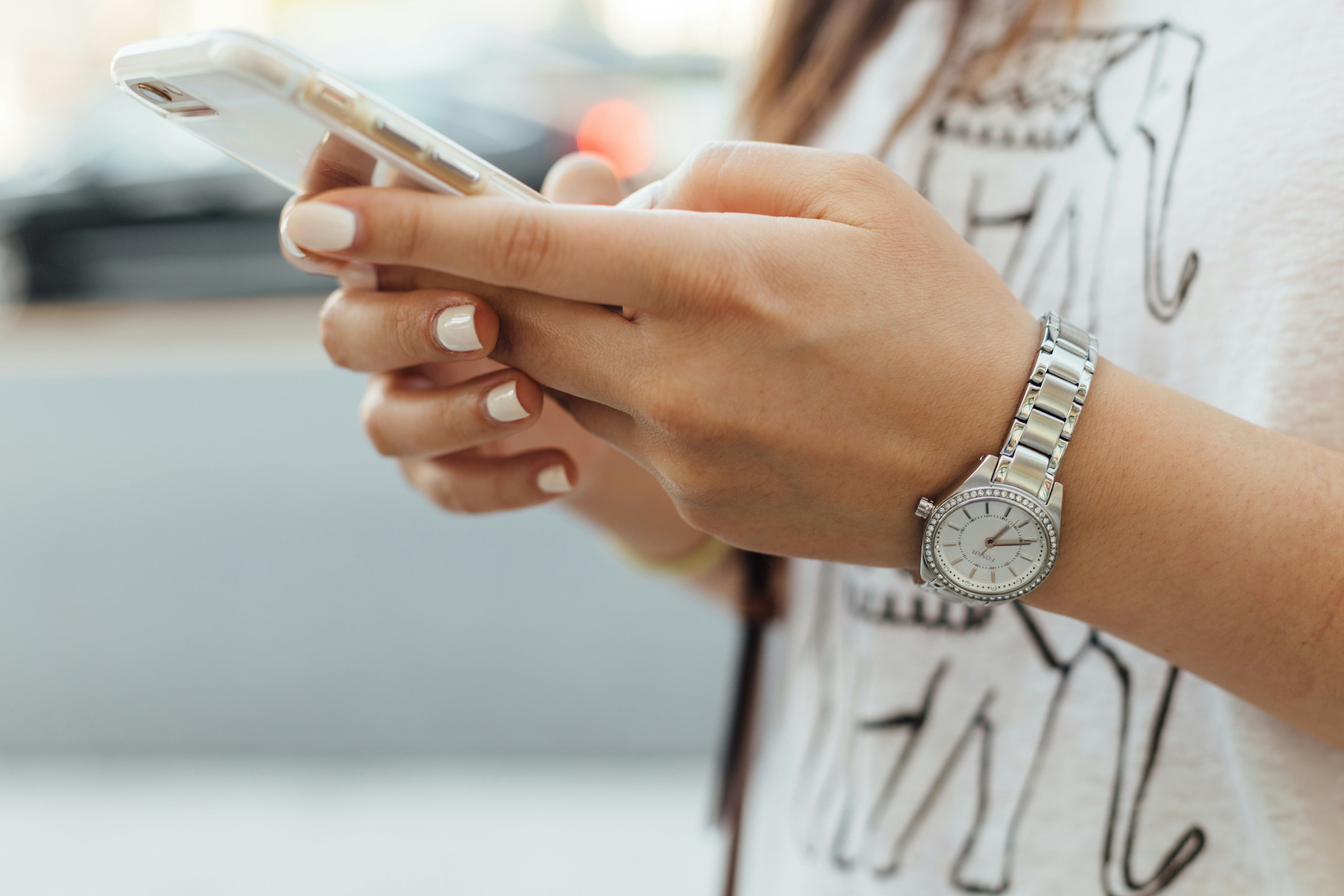
Pennsylvania Becomes the Latest State to Ban Cell Phones in Schools
In late October, Governor Josh Shapiro signed a statewide law banning cell phone use in schools.
The ban goes into effect next school year, when students will have to keep their phones away throughout the school day.
There are exceptions for medical needs and certain other accommodations, and each district has to decide how its schools will enforce the ban.
Andrew Klein, reporting from Harrisburg, Pennsylvania, joins us to explain what happens next.
Here’s what the new law means.
Students won’t be allowed to use their personal phones during the school day, including lunch and time between classes.
Districts will determine how phones should be stored, whether that’s in backpacks, lockers or locked pouches.
Students with medical needs, such as diabetes monitoring, can receive accommodations.
Parents who need to contact their children can still reach the school, but districts will need to explain how communication will work during emergencies.
Schools will also have to decide what happens when students don’t follow the rules.
Some parents support the restrictions because they want their children focused on learning. Others worry about what happens if there’s a medical emergency or school shooting and they can’t contact their child directly.
So, how do you stop students from hiding phones behind books or laptops? And what happens when students refuse to put them away?
Andrew says those are questions school districts will have to answer.
Some schools, including Cumberland Valley, already have policies requiring students to power off and store phones and other personal devices during the day.
This same approach won’t necessarily work everywhere. The goal is to keep students focused on learning while allowing local schools to figure out how to make the restrictions work.
And with similar rules spreading across the country, Pennsylvania won’t be the last state having this conversation.
That’s the briefing for today.
What do you think of the FDA’s findings? And how do you feel about schools requiring students to put away their phones?
Let us know in the comments!
The National Press
Real reporting. From real America.


