


In Massachusetts, one of the highest-profile trials in the country has a new court date. Or does it?
Today, Lyndsay Keith speaks with Nicole Moeder of NBC10, who covered Lindsay Clancy’s first trial gavel to gavel, about the upcoming retrial and the legal battle that could stop it.
Plus, in Reno, voters said drivers of electric vehicles who don’t pay gas taxes should still pitch in. Amy Alonzo of The Nevada Independent explains what voters approved and what happens next.
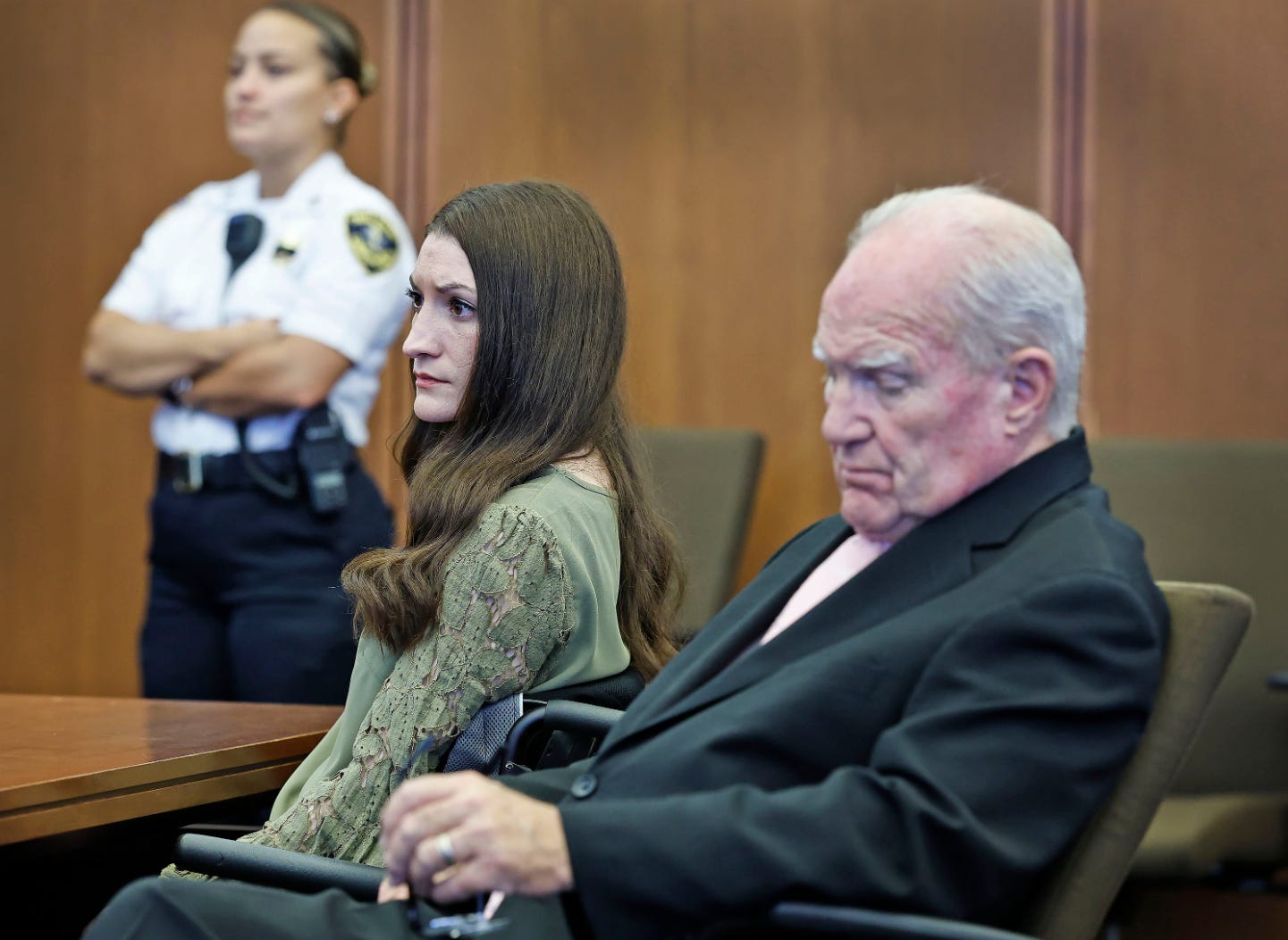
Lindsay Clancy’s Retrial Is Scheduled for March. Will It Actually Happen?
Lindsay Clancy, the Massachusetts mother accused of killing her three children in January 2023, is scheduled to go back on trial March 29, 2027.
Judge William Sullivan, who presided over her first trial, set the date after that proceeding ended in a mistrial. But Clancy’s lawyers are asking the Massachusetts Supreme Judicial Court to throw out the case, arguing that trying her again would violate her constitutional protection against double jeopardy.
Clancy’s children, 5-year-old Cora, 3-year-old Dawson and 8-month-old Callan, died at the family’s Massachusetts home. Clancy subsequently jumped from a second-story window and was left paralyzed from the waist down. Her defense has argued she was experiencing postpartum psychosis and could not be held criminally responsible. Prosecutors contend she planned the killings and understood what she was doing.
Nicole Moeder of NBC10 was in the courtroom throughout the first trial, which lasted about seven weeks. She says the atmosphere at the latest hearing was anxious, particularly as both sides weighed whether the retrial would take place before Judge Sullivan’s mandatory retirement in June.
The first trial ended after jurors couldn’t reach a unanimous verdict. The jury foreperson reported concerns that one juror wasn’t following the judge’s instructions. Defense attorney Kevin Reddington argued the judge should have replaced that juror with an alternate rather than declaring a mistrial.
The state’s highest court has now agreed to hear the defense’s challenge. The March trial date remains in place.
Nicole says jury selection will be one of the biggest challenges. The first trial attracted national and international attention, and finding 18 jurors who can put their opinions aside and decide the case solely on the evidence won’t be easy.
Another development could change how the retrial unfolds. Reddington says he is switching Clancy’s plea from not guilty by reason of lack of criminal responsibility to a straightforward not-guilty plea, putting the burden on prosecutors to prove their case beyond a reasonable doubt.
A first-degree murder conviction would mean life without parole. An acquittal based on lack of criminal responsibility would have different consequences, including possible psychiatric commitment.
For now, both sides are preparing for another emotionally difficult trial, while the courts consider whether it should happen at all.
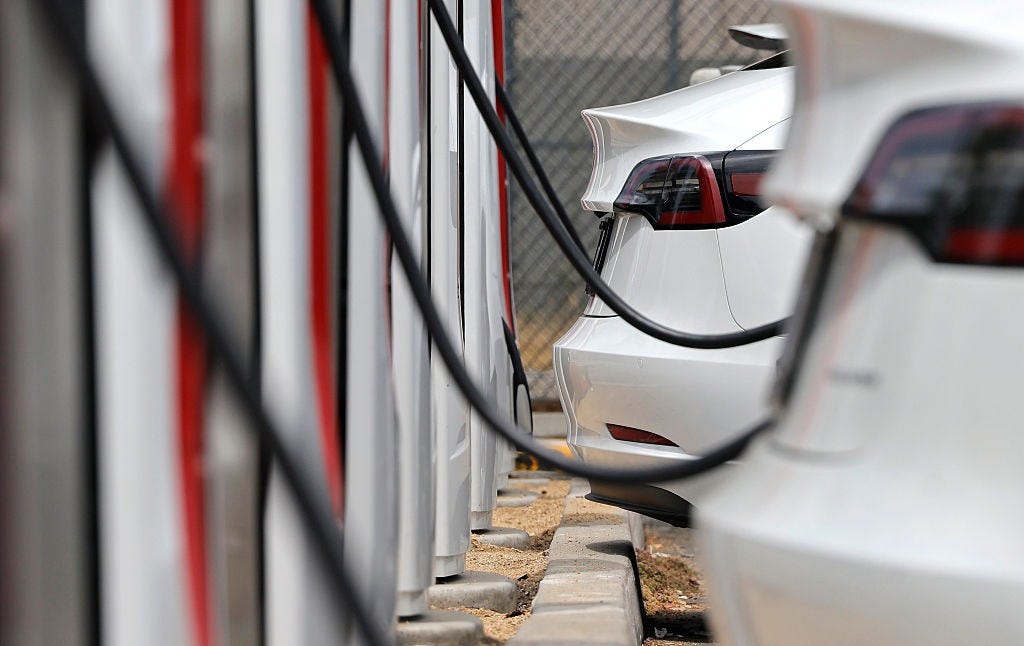
Nevada Voters Want EV Drivers to Pay for Roads. But It’s Not a Law Yet.
Electric cars skip the gas pump, which means they also skip the gas tax. And in northern Nevada, voters just decided that arrangement isn’t fair.
Earlier this month, more than 65% of voters in Washoe County supported an annual road-use fee for electric and hybrid vehicles. The fees being considered start at $250 for fully electric vehicles and $125 for hybrids.
Amy Alonzo of The Nevada Independent explains that the vote was advisory. It doesn’t actually create a fee. Instead, it gives the Regional Transportation Commission the opportunity to seek approval from state lawmakers when Nevada’s Legislature meets in February.
Washoe County is facing a projected road repair and construction shortfall of approximately $1.4 billion over the next decade. Local officials estimate gasoline-powered drivers pay about $480 annually in fuel taxes, while electric vehicle drivers don’t contribute through that system.
But the proposed fees would make only a small dent in the shortage.
Amy says communities across the country are facing a similar problem. More drivers are switching to electric and hybrid vehicles, while traditional gasoline-powered vehicles are becoming more fuel-efficient. That means less fuel-tax revenue for maintaining roads.
The proposal would charge hybrid drivers a lower fee even though they still purchase gasoline, and both fees could increase annually. Support is mixed, with some drivers saying everyone using the roads should contribute and others arguing they already pay enough in registration fees.
And this would apply only to Washoe County, not the rest of Nevada.
For now, voters have made their preference clear. Whether state lawmakers agree remains to be seen.
Do you think EV owners should pay a per-mile fee, a flat tax or nothing at all?
Let us know in the comments.
The National Press
Real reporting. From real America.


