


Elder exploitation. Unsafe living conditions. Senior trafficking.
Today, we’re looking into a problem that’s taking advantage of senior citizens across the country.
Our investigative reporter has spent more than a year uncovering a network of suspected unlicensed assisted living homes in Baltimore, where vulnerable adults may be exploited for their Social Security benefits and other income.
And now the state is taking action.
Plus, California’s death row includes about 30% of everyone awaiting execution in the United States.
Governor Gavin Newsom wants to clear it.
But can a governor overturn the will of a jury?
Today, Lyndsay Keith speaks with Gary Collins of FOX45 Baltimore and Liz Gonzalez of FOX26 Fresno about two very different stories raising questions about protection, accountability and the law.
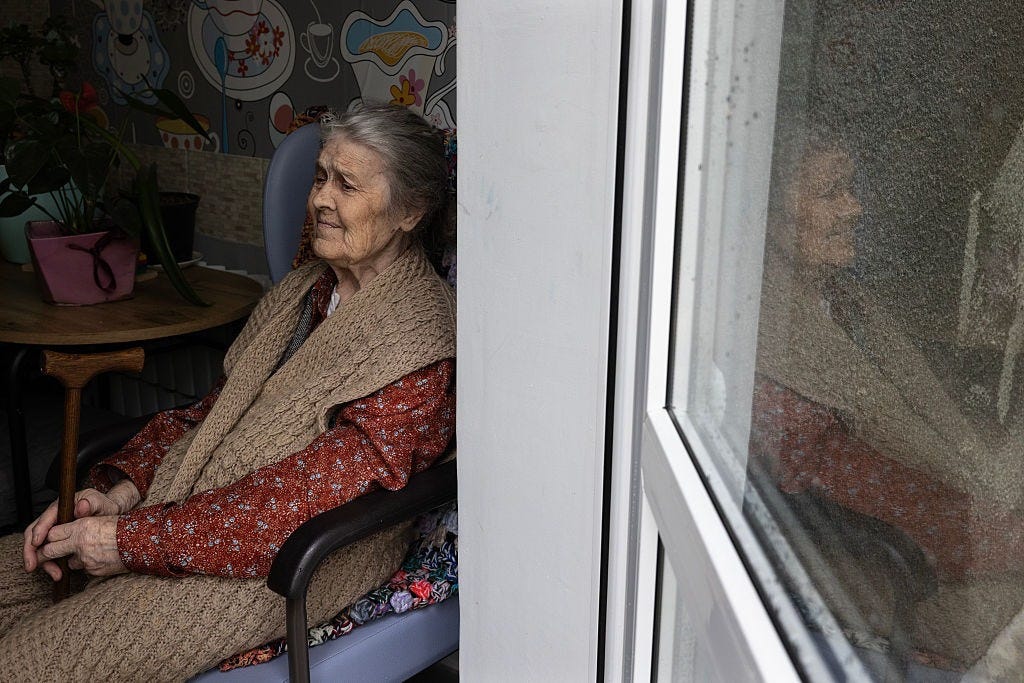
Senior Trafficking: What Happens Behind the Doors of Unlicensed Care Homes?
Think about the person in your life who will need care someday.
Maybe a parent. A grandparent. Maybe even a spouse.
Now picture them in a crowded row house full of strangers.
No license. No nurse. And someone else cashing their Social Security check.
Lawyers and advocates have a name for it.
Senior trafficking.
For more than a year, Gary Collins and the Spotlight on Maryland team at FOX45 Baltimore have been investigating this problem.
What they uncovered: 115 suspected unlicensed assisted living homes in Baltimore alone.
And some of the conditions are horrifying.
Gary describes walking into one facility that reeked of urine. Seniors were hungry, needed clothing and weren’t being bathed.
In April, authorities found 13 seniors living in a single Baltimore home.
And through public information requests, Gary uncovered 911 calls involving elderly residents found outside in dangerous conditions, including one person suffering from hypothermia and another reportedly covered in maggots.
These are somebody’s parents. Somebody’s grandparents.
So how does this happen?
Here’s what Gary found.
Some operators become representative payees for seniors, giving them control over Social Security benefits that are supposed to pay for care. Gary says some residents receive little more than a roof over their heads.
Operators may target vulnerable adults, including people with dementia, those without family support and people who have nowhere else to go.
Some residents are discharged from nursing homes or hospitals and placed with operators claiming to provide independent care.
Maryland made operating an unlicensed assisted living facility a felony in 2023. But when Gary began investigating, state regulators had referred just one case to prosecutors.
The attorney general’s office has now received 17 referrals, and the state announced its first felony indictment under the law.
In October, a Baltimore grand jury indicted Daquan Dwight Thomas, the operator of an assisted living program, on allegations that he ran it without a license.
The charge has not been proven in court.
Gary says his investigation began when a government whistleblower gave him a list of 115 suspected locations and connected him with people in Baltimore’s fire department.
From there, he began reviewing emergency calls and uncovering patterns of alleged neglect and exploitation.
And he says some suspected unlicensed facilities are still operating.
The problem isn’t unique to Maryland, either.
Gary has looked at how other states, including Hawaii and Georgia, have tried to crack down on unlicensed care homes.
One expert told him the problem is happening in every state.
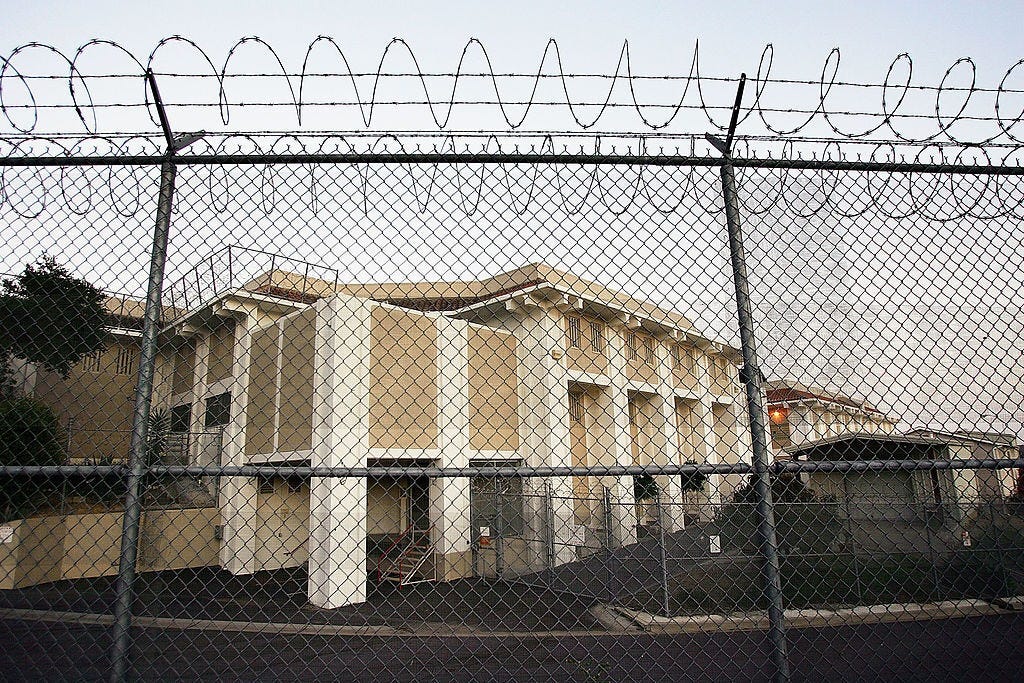
California’s Governor Wants to Clear Death Row. Prosecutors Are Fighting Back.
548.
That’s how many people are on California’s death row, according to the governor’s announcement.
It’s the largest death row in the country, making up about 30% of everyone awaiting execution in the United States.
And Governor Gavin Newsom wants to commute every one of those sentences to life in prison without the possibility of parole.
He says the state cannot morally carry out executions.
But those death sentences were handed down by juries.
And in California’s Central Valley, the reaction has been fierce.
Liz Gonzalez of FOX26 in Fresno has been following the response from prosecutors, law enforcement and victims’ families.
Here’s where things stand.
California hasn’t carried out an execution since 2006. Newsom ordered a moratorium in 2019, and the death chamber at San Quentin was dismantled.
Newsom wants to change all 548 death sentences to life without parole. No one would be released from prison.
The California Supreme Court must approve clemency for 382 people convicted of more than one felony.
District attorneys, law enforcement leaders and victims’ rights advocates have challenged the move, arguing that Newsom failed to provide required notice and conduct meaningful reviews of individual cases.
Some families say the decision reopens old wounds and disregards sentences handed down by juries.
Liz says prosecutors in California’s Central Valley are particularly upset.
In Kern County alone, more than 20 people on death row were sentenced in local cases.
And district attorneys are now having conversations with families whose loved ones were murdered, explaining that the sentences could change.
Marc Klaas, whose daughter Polly was murdered in 1993, called the decision a betrayal.
But Newsom and supporters of the commutations raise other concerns.
The governor has pointed to racial disparities, the high cost of capital trials and appeals, and the risk of executing innocent people.
And while California voters chose to keep the death penalty in 2012 and 2016, the state has not carried out an execution in two decades.
Now the legal fight is moving forward.
Prosecutors are asking the California Supreme Court to stop the blanket commutations, while the court must also review hundreds of individual cases.
And with Newsom leaving office in January, another question is whether the courts will resolve the issue before his term ends.
That’s the briefing for today.
The National Press
Real reporting. From real America.


