


Good morning.
A year ago, a 16-year-old student brought a loaded handgun into Preble High School in Green Bay, Wisconsin. Within days, the school district responded with a new rule requiring students in grades 6 through 12 to carry clear backpacks.
One year later, the policy remains in place, and no similar weapons incidents have been reported by the district since. But that raises the question: Are the backpacks working?
Today: Green Bay has spent a year living with one of the most visible school security measures in America. We look at what researchers actually know and why one school-safety expert warns that clear backpacks have the potential to create a false sense of security.
Lyndsay Keith speaks with FOX 11 reporter Ben Krumholz, a Green Bay native and Preble High School graduate, about how students view the policy after a full year. Then, Mo Canady, executive director of the National Association of School Resource Officers, explains why a transparent backpack is only one small part of keeping weapons out of schools.
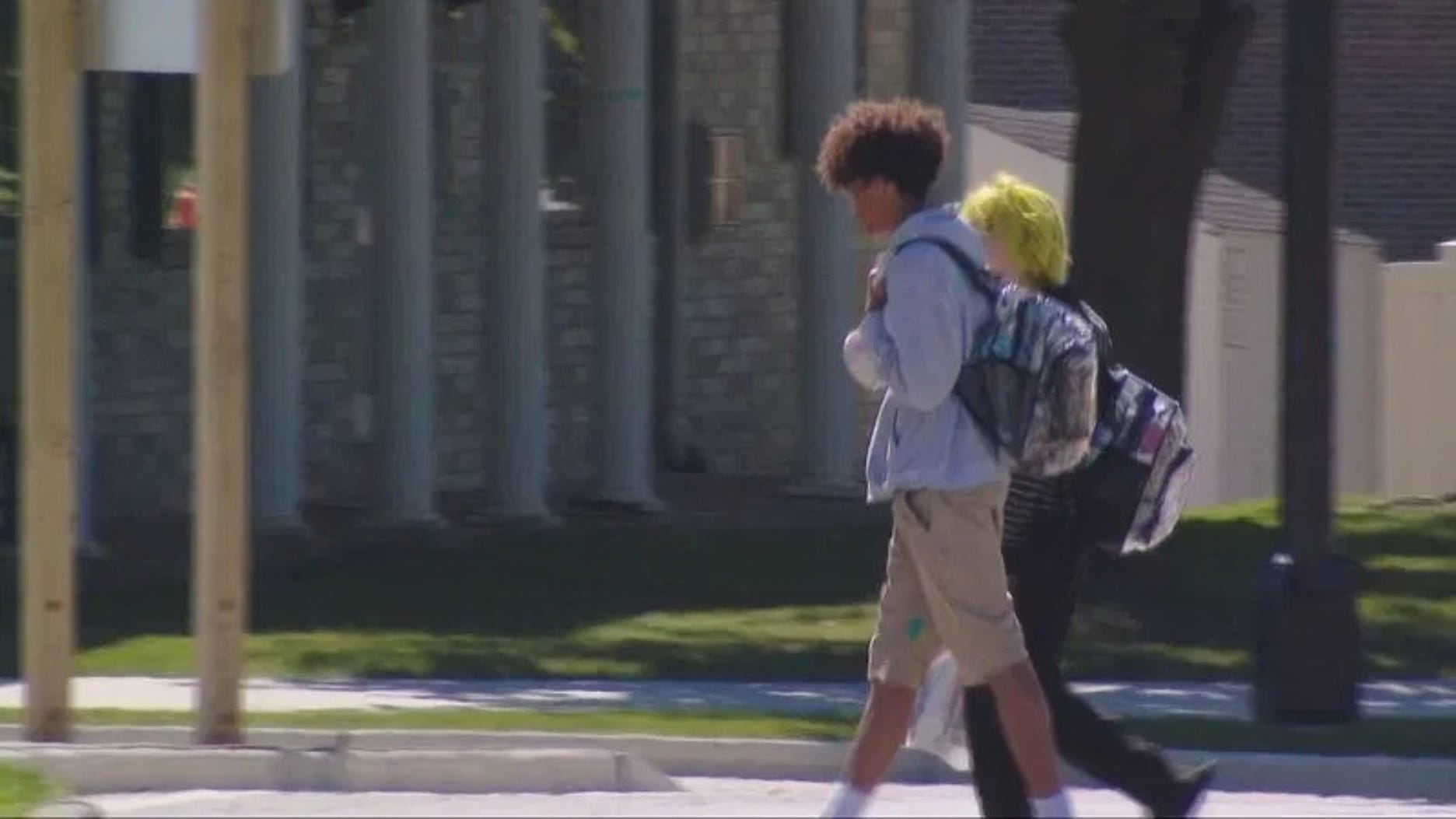
Green Bay Has Used Clear Backpacks for a Year. Do They Work?
The Green Bay Area Public School District adopted its clear backpack policy after police found a loaded handgun in a 16-year-old student’s backpack at Preble High School in September 2025. The rule took effect less than two weeks later for students in grades 6 through 12.
A year later, FOX 11 returned to students to see how the policy had changed daily life.
The response was mixed. Some students told FOX 11 the bags add a layer of security, while others said not much has changed.
Ben Krumholz says the bigger question is whether there is evidence that the policy is actually keeping weapons out.
“There isn’t a lot of data out there showing that having clear backpacks makes a big difference in keeping weapons out of schools. You have gym clothes, books. There’s a lot of ways you could potentially hide a weapon in that clear backpack still, even though you have the policy.”
The Illusion of Safety
That is where Mo Canady’s concern begins. He spent 25 years in law enforcement, including his final 12 years overseeing school safety and his department’s school resource officer program in Hoover, Alabama.
Canady warns that schools can easily mistake a visible security measure for a complete security system.
He used a hypothetical school of 1,200 students to illustrate the problem. Having one person carefully observe the contents of every clear backpack as students arrive, he said, could become “an overwhelming task, almost impossible.”
The question then becomes what happens when a staff member cannot see everything inside. Canady points out that a clear backpack only works as well as the procedures surrounding it.
“We can’t just go and put metal detectors in place and say we have this solved. We can’t go and just add security cameras and say, ‘okay, this solves this.’ It is a layered situation, it’s a multi-hazard issue and it requires a multidisciplinary approach.”
For Canady, those layers can include secured entrances, trained staff, metal detectors, and strict procedures for responding to suspicious behavior. One of the most important layers has nothing to do with hardware at all, but rather human relationships.
Canady refers to cases where potential school violence was disrupted because a student or parent trusted someone at the school enough to report a concern.
“Relationships are a big piece of helping to keep schools safe,” he said.
But building those additional layers of security comes with another challenge for these school districts: paying for them.
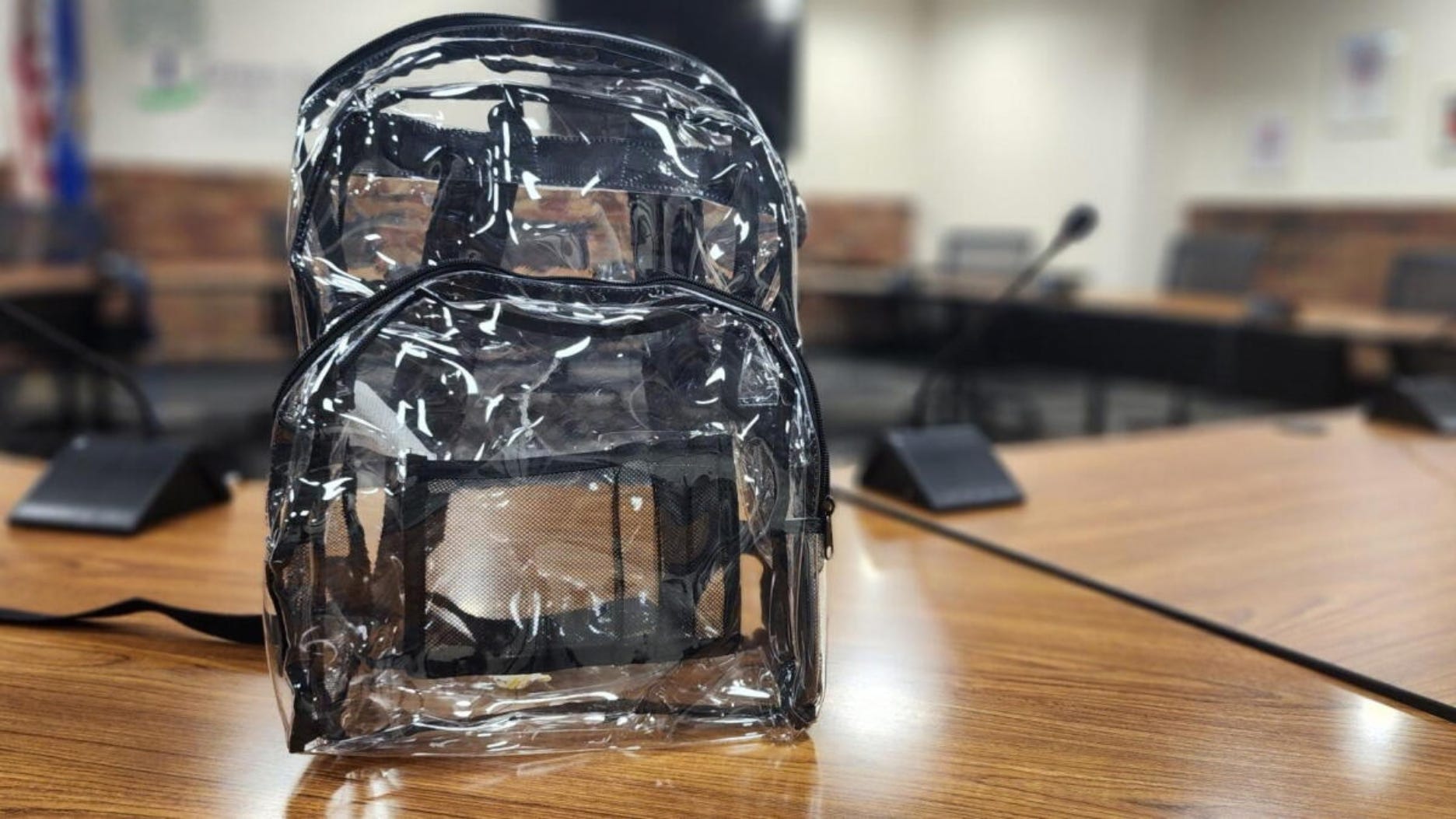
The Cost
Students in Green Bay initially called for additional measures, including metal detectors. FOX 11 previously estimated that installing those systems throughout the district’s roughly 40 schools could cost around $1 million per year.
That is a far larger investment than requiring transparent bags, and Canady acknowledges that school districts regularly face funding constraints. Still, he says technology is becoming more affordable and grants can help pay for some security measures.
Green Bay’s experience points to a problem schools around the country face after a frightening incident: there is pressure to act quickly, and clear backpacks are visible and relatively inexpensive.
One year without another similar weapons incident is good news, but it still does not tell us whether the backpacks caused that outcome. The harder question is how a school should determine whether a safety policy is actually reducing risk rather than simply making people feel safer.
And if clear backpacks are going to remain, Canady argues they should be viewed as one layer, not the entire answer.
That’s the briefing for today.
If your child’s school required a clear backpack tomorrow, would it make you feel safer? And if the clear backpack were the only new security measure, would that be enough?
Join the conversation and tell us what’s happening in your community that deserves wider attention.
Thanks for spending part of your day with us.
The National Press
Real reporting. From real America.
Are you affected by this story in your community? Do you have something you’d like to share? Write to us at hi@thenationalpress.com


