


Child sexual abuse imagery is one of the most heinous crimes there is. And now predators are scraping photos off the internet and using AI to create it.
Today, Rafaela Siewert is filling in for Lyndsay Keith, and we’re looking at how AI makes this material easier to create, why the law hasn’t caught up, who’s getting hurt and what we can do about it.
As we’ve been digging into local stories, we keep seeing the same thing.
Cases involving AI-generated deepfakes, meaning photos scraped from the internet, taken and turned into something they’re not.
In September, two teenagers at a high school in Clarksville, Tennessee, were accused of using an AI program to turn photos into sexual images.
That same month, a man in Vero Beach, Florida, was charged with taking a woman’s photos off a public site, using AI to make them explicit and sharing them without her consent.
And this past summer, a federal class-action lawsuit was filed against xAI, Elon Musk’s company behind Grok. The suit alleges that Grok was used to take photos of five children and create AI-generated sexual abuse material.
These stories keep cropping up.
And today, we’re focusing on one similar case out of northern Michigan.
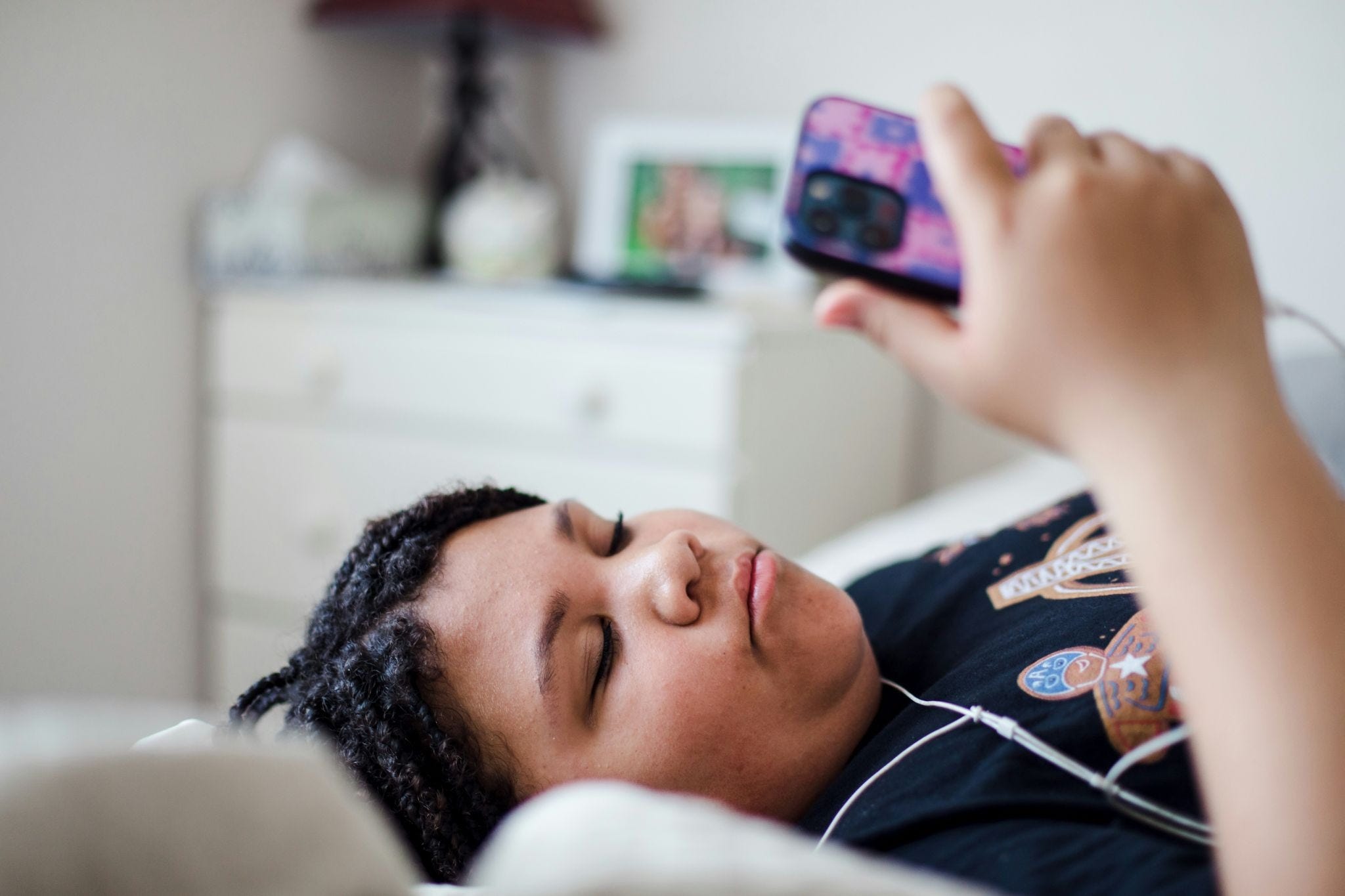
Marc Schollett of UpNorthLive in Traverse City, Michigan, has been following the story of a 13-year-old who was extorted with explicit deepfakes made from innocent photos.
And the case started with a seemingly ordinary conversation on TikTok. Someone reached out to the teenager and said they thought they knew each other. The person asked for a couple of face photos to see if they could make that connection.
The 13-year-old sent innocent photos of their face. The conversation continued for a little while and then ended. But later, the teenager started receiving new messages.
And this time, the photos were very different. The person on the other end had used AI to turn the child’s face photos into explicit images.
Then came the demands.
The person said they would send the images to the teenager’s friends and family and make them public, without telling anyone the images were fake.
The teenager was told to send gift cards in exchange for a promise that the images wouldn’t be released.
Investigators don’t know who’s behind the account. Marc says law enforcement believes the person could be overseas, making them extremely difficult to track down.
The teenager eventually reported what happened through Michigan’s OK2SAY tip line, which forwards reports involving issues like bullying, cyberbullying and extortion to law enforcement.
Marc says cases like this are becoming more common. Michigan’s OK2SAY program has been operating since 2014, and the last few years have brought record numbers of tips.
He says the program received more than 10,000 tips in the first 10 months of 2026, with cyberbullying and sextortion increasingly appearing among the leading categories.
And the most frightening part?
The child never sent an explicit photo. Just innocent pictures of their face.
Marc says parents need to know what apps their children are using, talk with them about these risks and make sure they know where to turn if someone threatens them.
His advice is to keep barriers up against strangers online, but break down the barriers between children, their parents, school leaders and other trusted adults.

To understand the bigger picture, Rafaela spoke with Hany Farid, a professor of computer science at Dartmouth and one of the world’s leading experts on deepfakes and digital forensics.
Farid says children have been vulnerable to online predators for years. But the new AI-powered version of these schemes is particularly disturbing.
Criminals can find an otherwise innocent photo of a child online and use AI applications to turn it into explicit imagery. They can then threaten to share those images with the child’s family, friends or community. And the child doesn’t have to do anything to create the material.
Farid says anybody with a single image of themselves online is potentially vulnerable. And the law is still struggling to catch up.
Farid says U.S. laws prohibit sexual abuse imagery involving identifiable children, including certain manipulated images, but the legal situation is more complicated when the content is entirely AI-generated and doesn’t depict a real child.
He believes the courts will eventually have to confront those questions.
That’s the briefing for today.
Are lawmakers doing enough to protect kids? And who should be held responsible when AI is used to hurt someone: the companies that created the technology or the people using it?
Let us know in the comments.
The National Press
Real reporting. From real America.


