


In Today’s Episode:
Washington’s millionaire tax faces voters: Reporter Chris Daniels explains why a new 9.9% tax on income above $1 million has become one of the state’s biggest election issues.
Baltimore’s transit system has a fare problem: FOX45 investigative reporter Tessa Bentulan uncovers widespread fare evasion, unanswered questions about lost revenue and growing safety concerns among bus drivers.
Good morning.
Today we’re talking about local services and the taxes that pay for them.
In Washington state, voters will decide whether to repeal a new millionaire’s tax before it even takes effect. The outcome could have implications for other states considering similar measures.
Then in Baltimore, reporters went out to understand why so many people weren’t paying to ride public transit.
What they found was a more widespread problem, with open subway gates, frustrated riders, and bus drivers saying they’ve been threatened for asking passengers to pay.
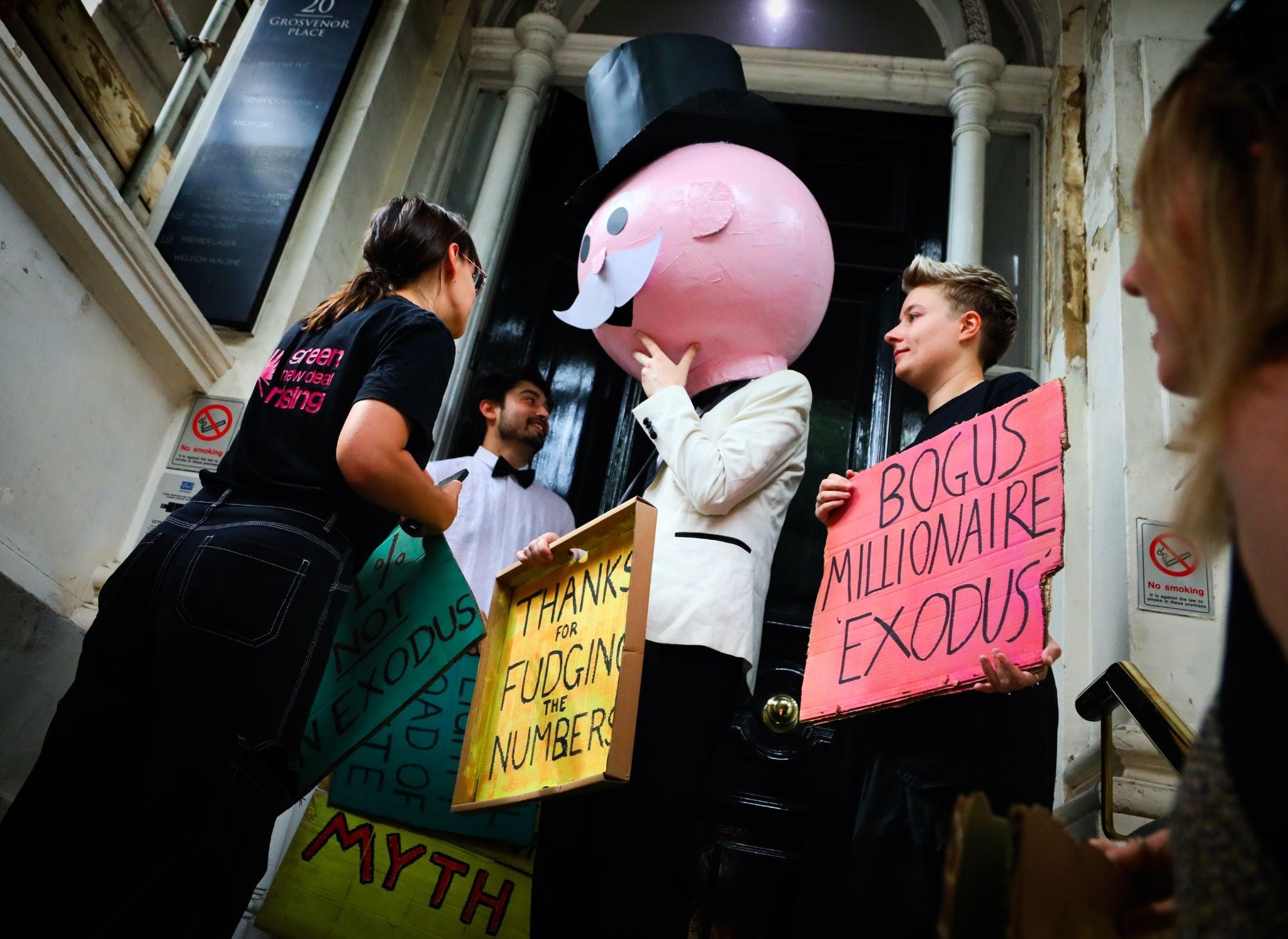
Washington’s Million-Dollar Question
For nearly a century, Washington state hasn’t had a traditional income tax. But that could change under legislation signed by Governor Bob Ferguson earlier this year.
The new law creates a 9.9% tax on annual individual income above $1 million, beginning in 2028.
Now voters will weigh in on Initiative 645, a ballot measure which would repeal the tax, while prohibiting state and local income taxes.
Chris Daniels, a reporter covering Washington politics, says the issue has become one of the defining debates of the midterm election.
Supporters of the tax argue that the revenue is needed to help fund public services, while others argue that this tax could drive high earners and businesses out of Washington, and possibly open the door to income taxes on people earning less than $1 million.
Daniels says some institutions are already announcing plans to move their corporate offices, with Columbia Bank specifically citing the business taxes and proposed millionaire tax.
But the election may not settle the issue.
Five of Washington’s nine state Supreme Court seats are also on the ballot, and legal challenges to the tax are expected to continue.
“It is the defining issue of this election in Washington state, more than any congressional race, more than any legislative race. It is the millionaire’s tax and the state Supreme Court.”
Governor Ferguson has said he would not sign legislation lowering the $1M threshold.
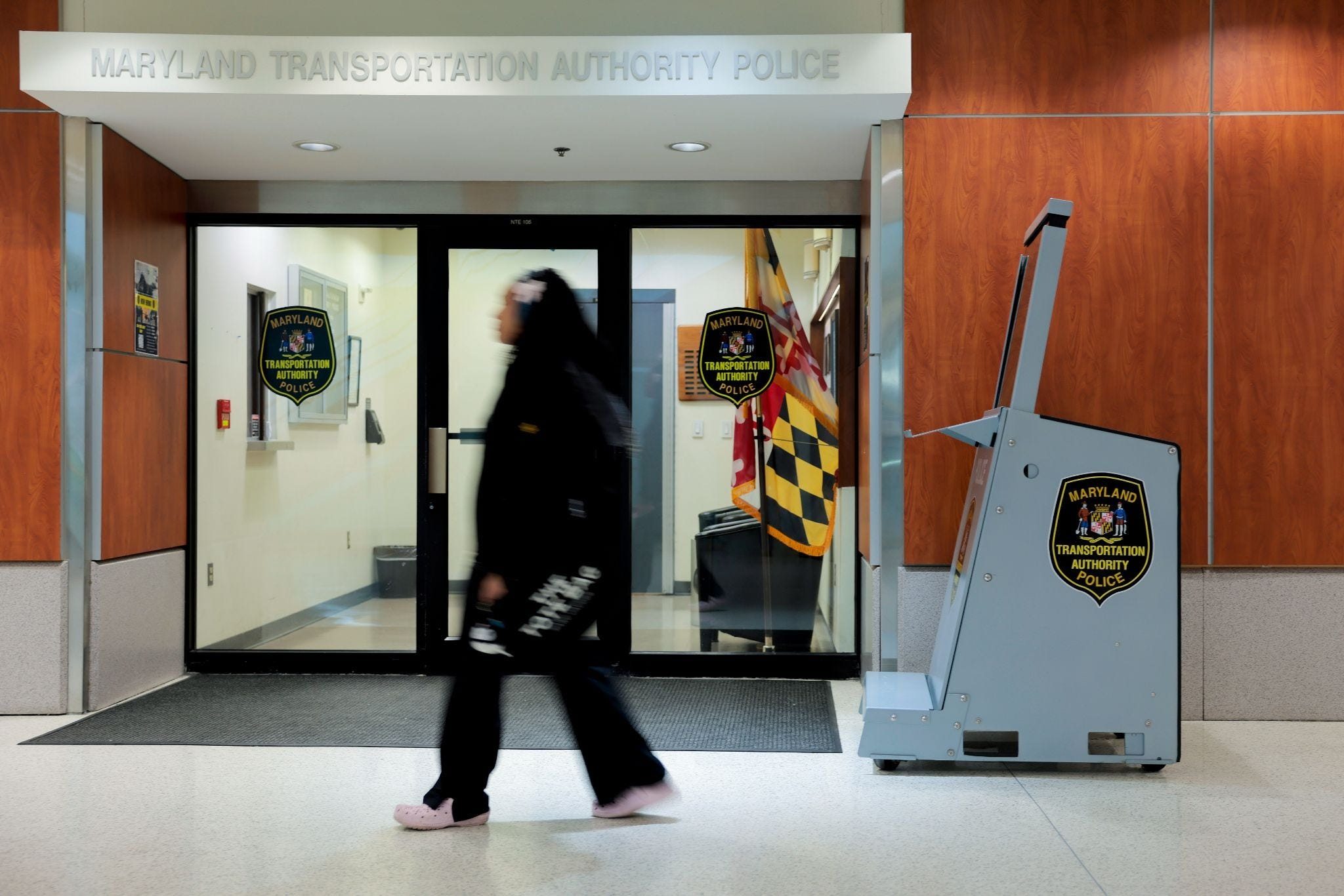
Baltimore’s Fare Problem
With public transit, nobody rides for free.
But in Baltimore, FOX45 investigative reporter Tessa Bentulan found that rule being broken, if not bent, repeatedly.
After receiving tips from frustrated riders, Bentulan and her team visited subway stations at different times of day. They observed people jumping turnstiles and walking through open gates.
The reporting also investigated city buses, where drivers say passengers routinely board without paying the $2 fare.
The Maryland Transit Administration tells operators to state the fare, but not enforce it. The agency says the policy is intended to protect workers.
Bentulan says some bus drivers have received threats simply for reminding passengers to pay.
One driver, who spoke anonymously because he feared losing his job, described the prayer he says before beginning each shift:
“Please God, bring me home.”
Maryland’s transit agency tracks some instances of nonpayment, but Bentulan says they have been unable to provide any clear accounting of lost revenue.
Riders who do pay are frustrated. As one passenger told Bentulan:
“If I have to pay, everyone else has to pay.”
The agency’s new administrator, Tony Bridges, is looking into the problem.
And it’s not just Baltimore. Transit systems across the country are struggling to collect fares, with taxpayers picking up more of the bill.
In New York, it is estimated that fare evasion cost the transit system $849 million last year, much of it on buses.
In Washington, D.C., Metro has reported that nearly 70% of bus riders were skipping fares during a nine-month period, costing an estimated $50 million.
Some cities are cracking down. Washington installed taller fare gates at rail stations and reported an 82% reduction in evasion of fares.
Kansas City took an opposite approach, making its buses free in 2020, and ridership increased by approximately 25%. However, funding eventually ran out, and the city eventually brought back its $2 fare in June.
That’s the briefing for today.
How would you vote on a millionaire’s tax? And should cities make public transportation free?
Let us know how you feel.
Thanks for spending part of your day with us.
The National Press
Real reporting. From real America.
Are you affected by this story in your community? Do you have something you’d like to share? Write to us at hi@thenationalpress.com


