


In Today’s Episode:
CSX is cutting more than 1,000 railroad jobs, leaving workers across West Virginia and neighboring states uncertain about whether their positions will return.
Automated inspections are raising safety concerns. Union leaders warn that new technology may miss dangerous track defects traditionally identified by human inspectors.
CSX and federal regulators push back. The railroad says safety remains a priority, while the Department of Transportation says CSX is complying with its federal inspection waiver.
Good morning.
CSX Transportation is cutting more than 1,000 railroad jobs, including workers responsible for inspecting and maintaining the tracks that carry goods across the country.
The company calls the furloughs seasonal. Union leaders worry some of those jobs may never return, particularly as railroads begin replacing certain human inspections with automated technology.
Lyndsay Keith speaks with WCHS reporter Joe Cadotte in West Virginia and Brian Thompson, a railroad union leader and former track inspector, about the cuts and the growing debate over railroad safety.
What’s Happening
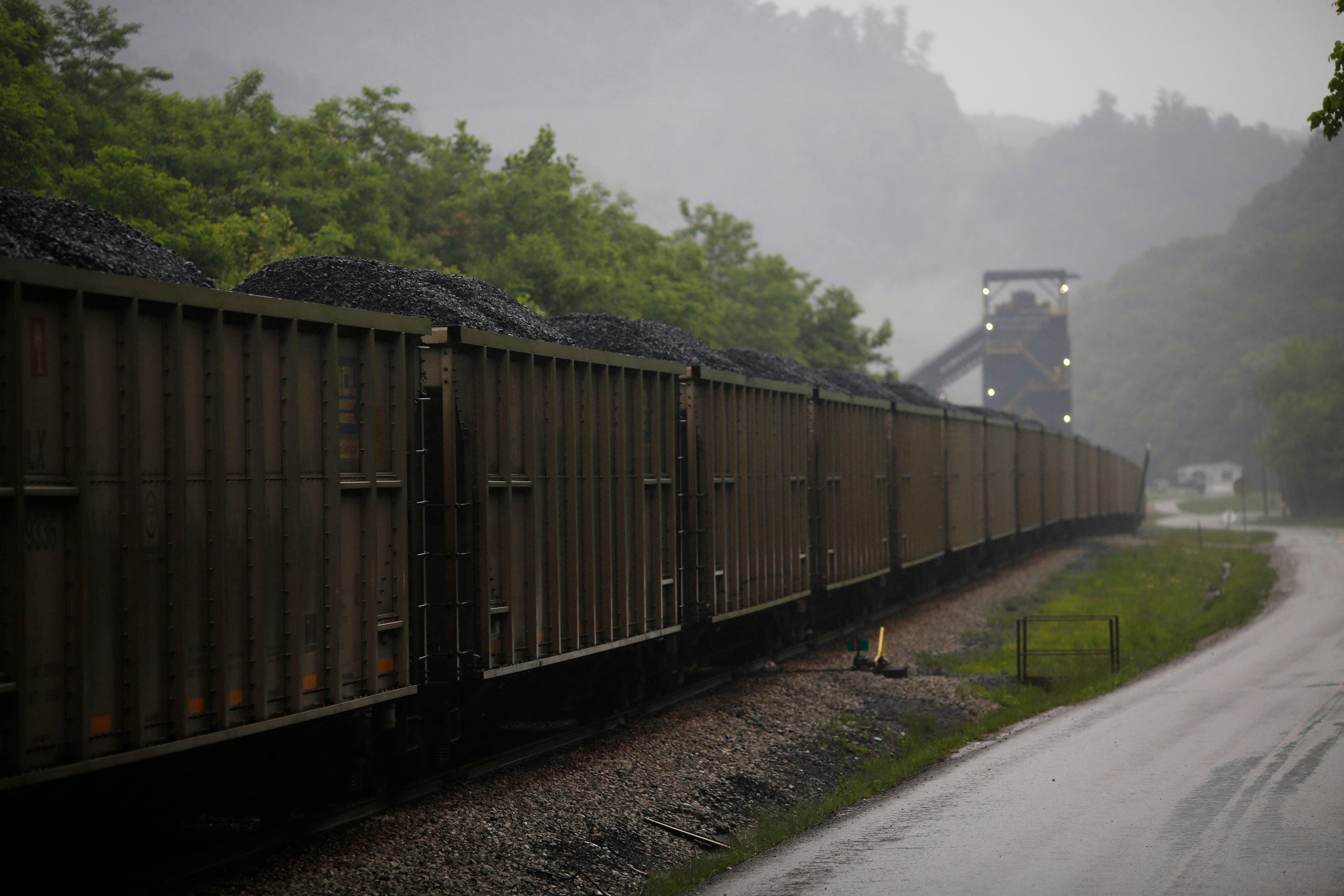
CSX plans to furlough approximately 1,100 workers, including employees who inspect, repair and maintain railroad infrastructure.
The local impact: Cadotte says hundreds of jobs could be affected across West Virginia, eastern Kentucky and southeastern Ohio. Many pay a base salary of approximately $80,000, a significant source of income for families and smaller communities.
Read Joe Cadotte’s original WCHS investigation.
So, will those jobs come back?
CSX says the furloughs are seasonal, but union representatives say the company has not guaranteed rehiring.
“We hope that CSX is good to their word, and they come back in March,” Thompson said.
What’s changing: Federal waivers now allow railroads to reduce certain human track inspections when automated inspection systems are used.
Thompson estimates CSX could eventually eliminate approximately 40% of its track inspector positions.
The Safety Debate
Automated inspection systems can identify problems with track geometry, including alignment and differences in rail height.
Here’s the concern: Thompson says human inspectors also identify broken rails, damaged joint bars, missing fasteners and other problems that automated systems may miss.
He claims the technology can identify only 28% of the defects detectable by human inspectors. That figure has not been independently verified.
As a former track inspector, Thompson says he regularly encountered defects that required immediate attention.
“There wasn’t a day that went by that I didn’t find a defect that was at least a one class drop, if not an out of service defect.”
The union alleges that CSX is not conducting automated inspections frequently enough to meet the requirements of its federal waiver. Thompson says the union has submitted its findings to regulators and wants the waiver revoked.
What CSX and Regulators Say
CSX disputes the safety concerns, saying the workforce reductions are intended to better align staffing with seasonal maintenance needs.
“Our focus on safety is unchanged. Required inspections, maintenance and infrastructure renewal work will continue, as will our approved capital program.”
The federal response: The U.S. Department of Transportation told The National Press that the Federal Railroad Administration regularly reviews inspection data and that CSX is not violating its inspection waiver.
That directly contradicts the union’s allegations about compliance.
What’s Next
The union is seeking further discussions with federal regulators about its inspection findings.
Meanwhile, railroad workers are waiting to learn whether their jobs will return, and questions remain about how the company plans to balance automation, staffing and safety.
CSX says it can maintain safety while reducing staffing and expanding automated inspections. The union argues that human inspectors identify dangerous problems the technology cannot.
The disagreement raises a much bigger question for other industries adopting automation: How do we know when technology is ready to replace people doing safety-critical work?
That’s the briefing for today.
Would you trust automated technology to inspect the railroad tracks running through your community, or should human inspectors always be part of the process?
Tell us what you think in the comments.
Thanks for reading.
The National Press
Real reporting. From real America.
Are you affected by this story in your community? Do you have something you’d like to share? Write to us at hi@thenationalpress.com


