


Good morning.
When disaster strikes, most people expect their insurance company to help make them whole. But in Oklahoma, FOX 23 investigative reporter Janna Clark started hearing from policyholders who said their claims had been delayed, denied or paid for less than they expected.
What began as a local investigation has now drawn messages from people in roughly 22 states and become part of a much larger court fight involving State Farm.
Then, we turn to a fight almost every American has an opinion about: Should we finally stop changing the clocks twice a year?
7News lead anchor Scott Thuman joins Lyndsay Keith to explain why the push for permanent daylight saving time is back in Washington, why President Donald Trump is pressing the Senate to act and why some members of his own party are standing in the way.
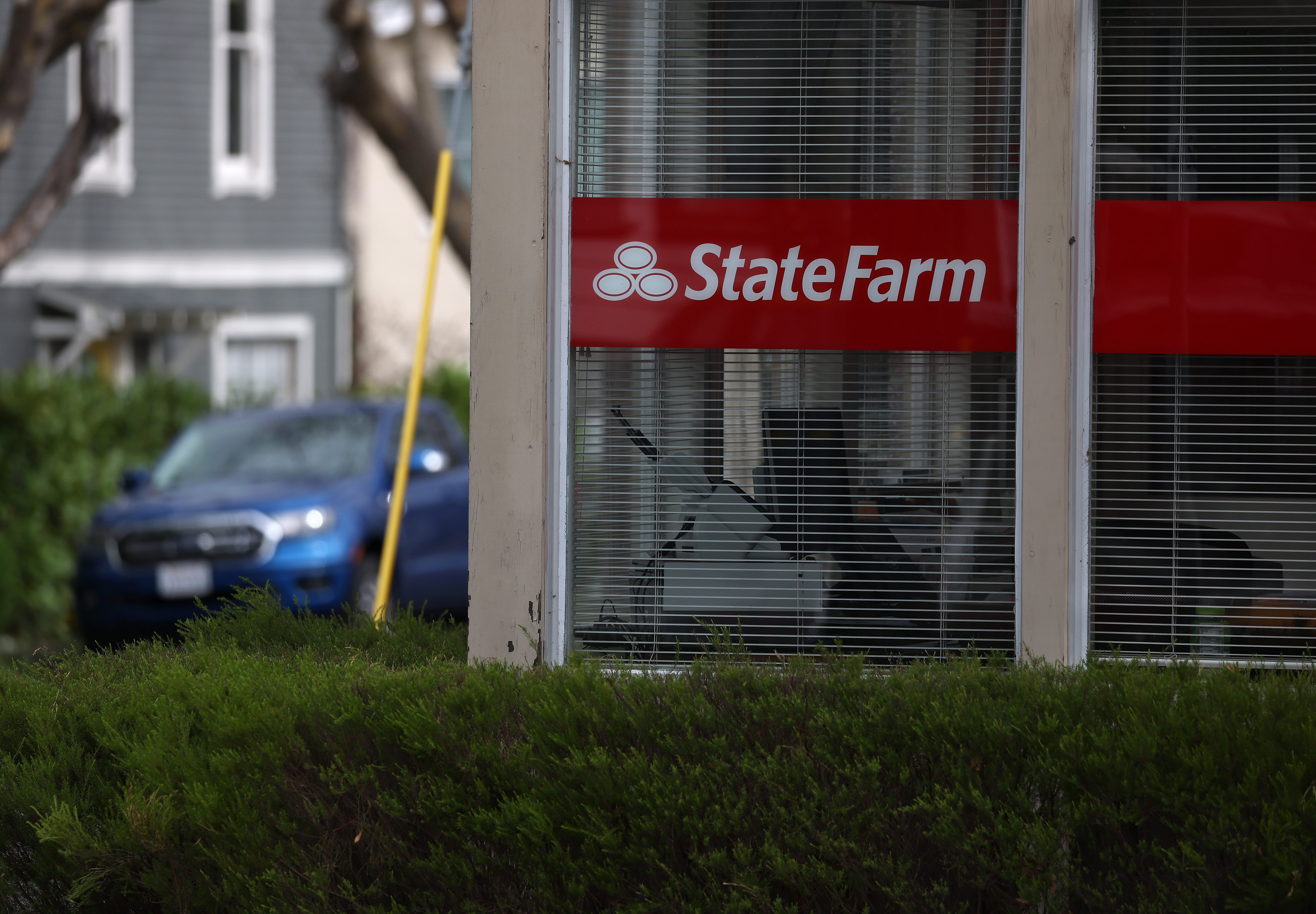
Why Are So Many State Farm Customers Calling One Tulsa Reporter?
Clark says her investigation began with emails from Oklahoma policyholders complaining about claims involving hail damage, fires, cars and other losses. The pattern caught her attention because the complaints kept coming.
One case involved Kenny Cox and his wife, whose Broken Arrow home was damaged in a fire. Cox told Clark that adjusters initially described the home as a total loss, but State Farm later decided it could be rebuilt.
Cox eventually put a sign in his front yard reading: “All we have gotten is lies, denies and delays.”
His neighbors saw it and contacted Clark.
Her report about Cox has since received roughly 1.8 million views, and Clark says people from about 22 states have contacted her about their own insurance disputes.
“I had a guy from Tennessee call me and say, ‘I will drive to Tulsa, Oklahoma if you will tell my story.’ And his story was the same as Kenny’s: he had a fire, State Farm won’t pay, and he doesn’t understand why.”
The legal fight became more significant when attorneys suing State Farm obtained internal company documents through litigation.
Clark says one Oklahoma law firm has about 900 open cases against State Farm. Documents produced through those cases have become known among plaintiffs’ attorneys as the “hot documents.”
The attorneys allege those documents show a broader strategy aimed at reducing claim payments. State Farm strongly disputes that allegation, saying the claims from plaintiffs’ attorneys are false and that it evaluates each claim individually.
Some State Farm executives have now been ordered to sit for depositions under oath, while the court determines whether those currently confidential proceedings should eventually become public.
For Clark, the reason the story has resonated so far beyond Oklahoma is straightforward.
“This matters to people, because this is their home. This is their car. This is their family. It matters to them. And it’s their money.”

Are We Finally Going to Stop Changing the Clocks?
Now to Washington, where a debate that seems to return every few years has once again gained momentum.
The House has passed legislation to make daylight saving time permanent, and President Trump supports the proposal. But the bill has stalled in the Senate, where some Republicans have raised concerns about what darker winter mornings would mean for their states.
Thuman says the debate sounds simple until you look at the tradeoffs.
“But what’s interesting is he’s got some pushback from Republicans, people within his own party, who say, ‘I get it,’ but this is not a great idea, especially for some states where you would see much darker mornings and you’ve got kids that need to go stand at the bus stop to go to school. The safety issue has come up.”
One of the most vocal Republican opponents is Arkansas Senator Tom Cotton, who has argued against making daylight saving time permanent.
Trump has pushed back aggressively, even posting what he said was Cotton’s cellphone number online and encouraging people to contact him over the issue.
The split transcends politics. Thuman says golf and retail tends to favor more evening daylight, while safety and sleep experts have raised concerns about darker mornings and the effects of shifting the body clock.
He also notes that Senate Majority Leader John Thune has said the proposal does not currently have a clear consensus in the Senate.
Arizona and Hawaii remain notable exceptions to the usual clock-changing system, and the fight over whether the rest of the country should follow a different model keeps coming back.
For now, Americans are still scheduled to change their clocks again.
That’s the briefing for today.
If you pay insurance premiums for years, are you confident that your claim will be handled fairly when you finally need it?
And when it comes to the clocks, would you rather keep changing them twice a year, stay on daylight saving time permanently or stay on standard time?
Join the conversation and tell us what’s happening in your community that deserves wider attention.
Thanks for spending part of your day with us.
The National Press
Real reporting. From real America.
Are you affected by this story in your community? Do you have something you’d like to share? Write to us at hi@thenationalpress.com


