


In Today’s Episode...
Baltimore wants to rethink 911 emergency responses: The city is proposing a new public safety department that could divert approximately 22,000 emergency calls a year away from police. Mikenzie Frost examines the proposal’s potential impact on the Baltimore Police Department.
Fighter jets respond to a civilian plane: Scott Thuman joins a military exercise that demonstrates how authorities intercept aircraft entering restricted airspace over Washington.
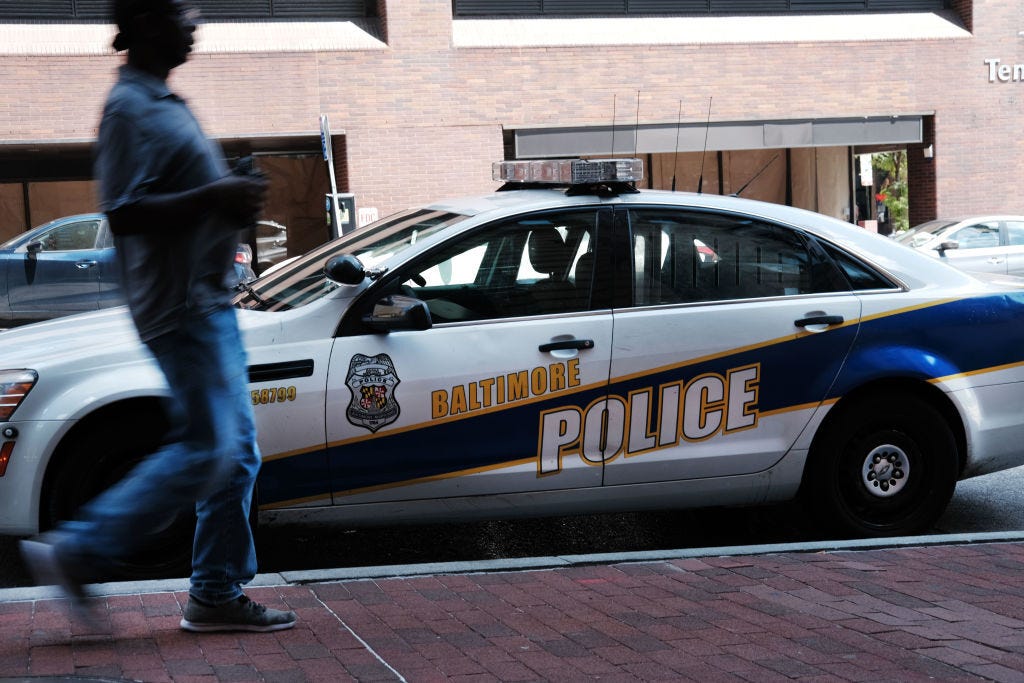
Baltimore Wants to Change Who Answers 911 Calls
Baltimore has struggled with violent crime for decades, and now, Mayor Brandon Scott wants to expand the city’s approach to public safety by creating a new Department of Neighborhood Safety, or DNS.
The proposal would absorb the existing Mayor’s Office of Neighborhood Safety and Engagement, or MONSE, which oversees violence prevention initiatives, while expanding the city’s use of civilian responders.
The goal is to divert some of the approximately 22,000 annual 911 calls that city officials believe could be better handled by trained professionals instead of police.
FOX45 political reporter Mikenzie Frost tells Lyndsay Keith that the new department would build on existing programs while expanding civilian emergency response beyond traditional business hours.
“Who determines what a nonviolent call is, is really something that is still nebulous and has yet to be completely defined.”
Frost says the city has still not fully explained how civilian responders would let police know if a situation suddenly became dangerous.
The city plans to use money from its opioid settlement fund to help launch the agency, but Frost says there is still no final operating budget or staffing plan.
“We don’t know how many staff members will be needed to get this moving. We don’t know what the full line item budget will be for this new department.”
Mayor Scott says the intention is not to reduce police funding, but Frost notes that diverting thousands of calls could ultimately affect overtime spending and future staffing decisions.
Frost has also investigated transparency concerns involving existing violence prevention programs run through MONSE.
Some programs rely on taxpayer-funded nonprofits, making it difficult for reporters to obtain information about employees, schedules and the work being performed. With those programs potentially moving into a larger agency, Frost says the city needs to explain what additional oversight will actually look like.
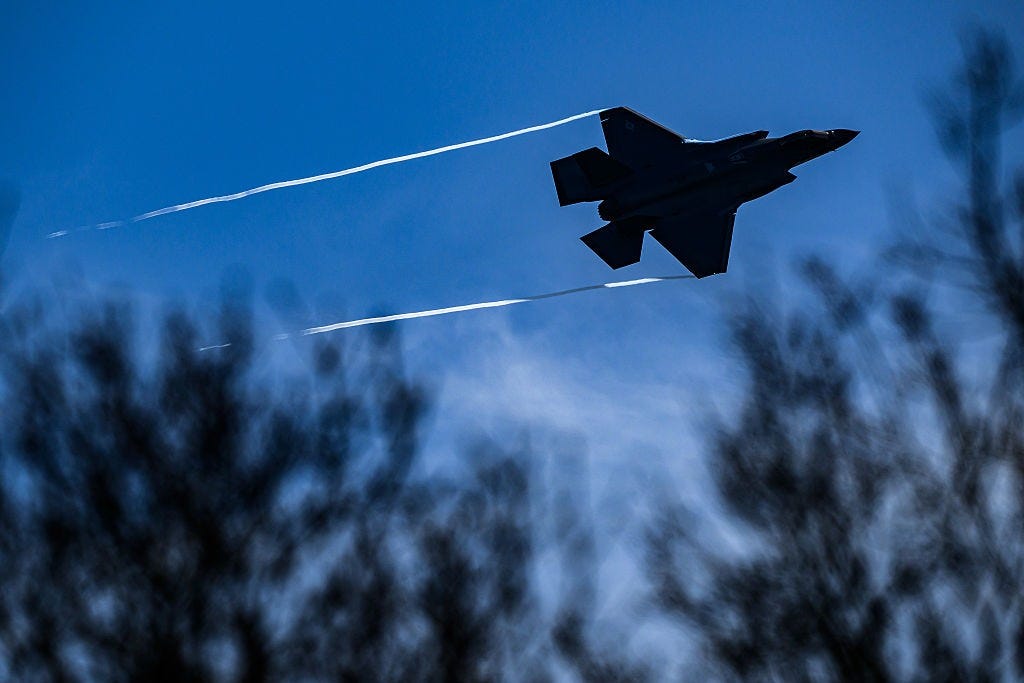
What Happens When a Plane Enters Restricted Airspace?
Our second story takes us to Washington, D.C., where 7News lead anchor Scott Thuman recently got an unusually close look at how the military protects the nation’s capital.
As part of an exercise, Thuman boarded a Cessna 182 and intentionally entered restricted airspace over Washington. The military knew about the exercise in advance, but the response was designed to demonstrate what happens when an unidentified aircraft ignores warnings.
First came a Coast Guard helicopter, which flew alongside the Cessna after the crew ignored radio communications.
The helicopter carried a digital sign reading, “You have been intercepted.”
Then came two F-16 fighter jets.
Thuman says the fully armed jets arrived within minutes, flying alongside the smaller aircraft, rocking their wings as a warning and performing a maneuver directly in front of its nose.
“It’s intimidating, even when you know it’s an exercise, because you see just how powerful and quick and nimble they are.”
Thuman says a real airspace incursion occurred around Washington just 20 minutes before his scheduled exercise.
That’s the briefing for today.
Would you support sending trained mental health professionals instead of police to certain 911 calls in your community? And how much confidence do you have in the systems protecting restricted airspace over major American cities?
Join the conversation and tell us what you think.
Thanks for spending part of your day with us.
The National Press
Real reporting. From real America.
Are you affected by this story in your community? Do you have something you’d like to share? Write to us at hi@thenationalpress.com


