


In Today’s Episode:
Oklahoma’s marijuana boom goes bust: FOX 25 reporter Paige Taylor investigates how the state’s rapid expansion left thousands of abandoned grow operations and environmental concerns.
Who’s paying for the cleanup? Oklahoma required $50,000 bonds from certain growers, but lawmakers are questioning why the money has rarely been used.
A backlash against legalization: Former White House drug policy adviser Kevin Sabet explains his concerns about high-potency marijuana products as Massachusetts considers ending recreational sales.
Good morning.
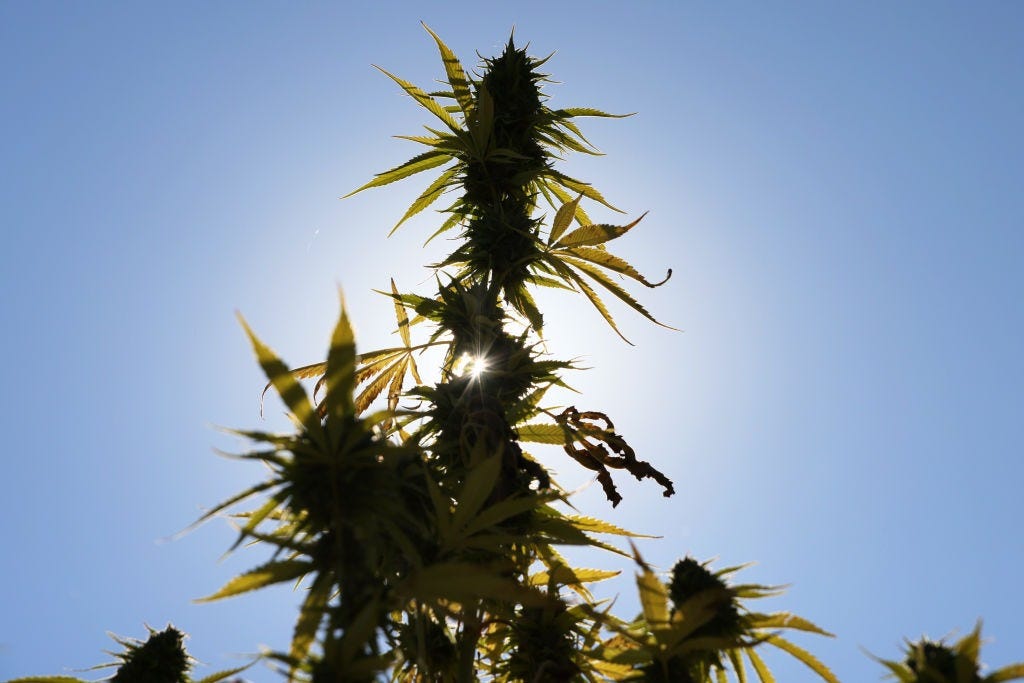
When Oklahoma legalized medical marijuana in 2018, growers rushed in. Low licensing fees and limited regulations helped turn the state into a major marijuana market.
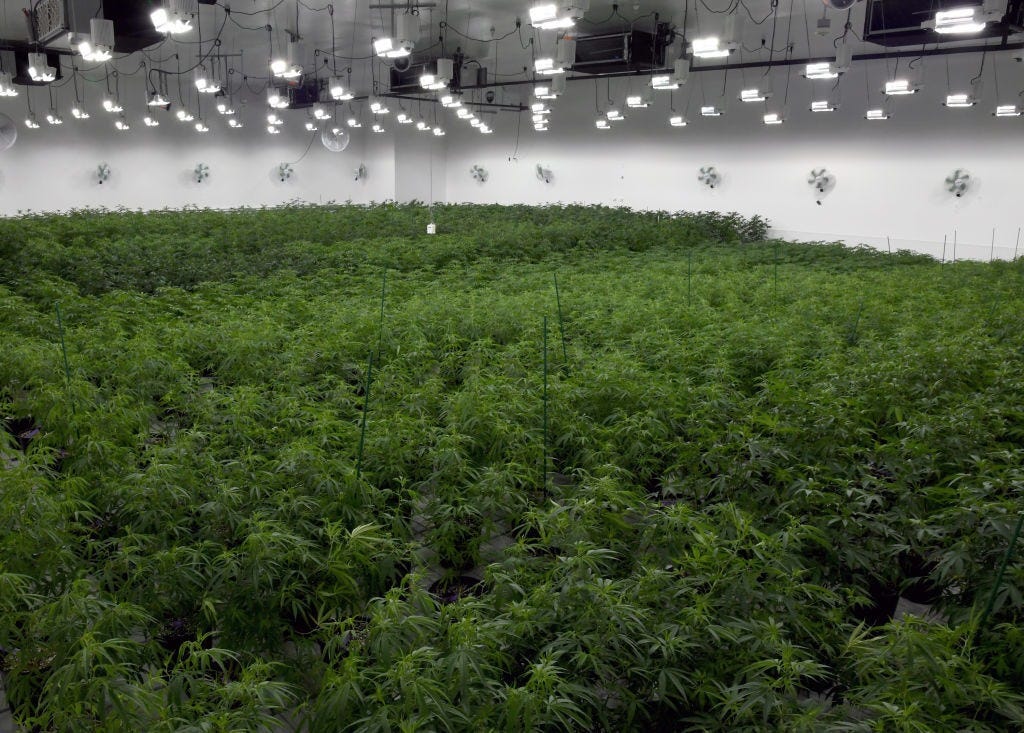
But the industry eventually produced far more than patients could consume. Prices crashed, businesses closed and thousands of abandoned growing facilities were left behind.
Now Oklahoma lawmakers are trying to figure out who should pay for the cleanup. Meanwhile, Massachusetts voters are preparing to decide whether to reverse recreational marijuana legalization.
How Oklahoma Became the Wild West of Weed
Oklahoma voters approved medical marijuana in 2018, and the industry expanded almost immediately.
FOX 25 reporter Paige Taylor says the state was essentially writing the rules as businesses opened, with relatively inexpensive licenses and no limit on the number of growers or dispensaries.
“We also had no cap here on the amount of grow sites or the amount of dispensaries. And so as many people who wanted to could come here.”
Since legalization, Oklahoma has issued more than 15,000 grower licenses, although only about 1,700 remain active.
As the market became oversaturated, businesses closed or lost their licenses, leaving behind abandoned buildings and equipment.
In 2023, Oklahoma established a $50,000 bond requirement for certain growers to help pay for cleaning abandoned properties.
But Taylor says the Oklahoma Medical Marijuana Authority has reclaimed those bonds only four times.
The agency says the law needs clarification about what constitutes an abandoned facility and who’s responsible for cleaning it up.
Concerned that taxpayers could be left holding the bag, lawmakers are now looking for solutions.
Is America Having Second Thoughts About Legalization?
When states began legalizing marijuana, supporters anticipated new tax revenue and a reduction in illegal sales.
But Kevin Sabet, a former White House drug policy adviser and president of Smart Approaches to Marijuana, argues that the industry has created problems that lawmakers didn’t anticipate.
Today’s marijuana products can contain much higher concentrations of THC than those available in the past.
Sabet argues that legalization has allowed companies to develop more potent products while regulations have struggled to keep pace.
He also distinguishes between allowing adults to use marijuana and creating a large commercial industry around it.
“There’s a difference between commercialization, promotion, pot shops on every corner near your kids’ daycare, and allowing adults to smoke a joint without getting arrested.”
That distinction is becoming part of the debate in Massachusetts.
On November 3, voters will consider Question 8, which would end licensed recreational marijuana sales and prohibit home growing, while still preserving medical marijuana.
If approved, Massachusetts would become the first state to repeal recreational marijuana legalization.
That’s the briefing for today.
Should states roll back marijuana legalization, regulate it more, or move to legalize it on a federal level?
Join the conversation and tell us what you think.
Thanks for spending part of your day with us.
The National Press
Real reporting. From real America.
Are you affected by this story in your community? Do you have something you’d like to share? Write to us at hi@thenationalpress.com


