


In Today’s Episode:
A data center lawsuit in Maryland: FOX45 political reporter Mikenzie Frost investigates allegations that Frederick County’s top elected official put a major development on hold to get through the midterm elections.
Ohio voters are focused on affordability: Reporter Matt Galka follows the campaign trail for Sherrod Brown and Jon Husted, where voters are talking about gas, groceries, tariffs, and the cost of electricity.

Did a Maryland Official Freeze a Data Center Project to Win an Election?
Frederick County Executive Jessica Fitzwater is facing a lawsuit from a data center developer who claims she supported a major development before reversing course.
FOX45 political reporter Mikenzie Frost has been examining the project.
“The developer alleges in these court documents that we’ve been poring through that the county executive did so based on polling numbers and wanted to wait until after the primary election and then after the November election.”
Frost says some details in the lawsuit have not been independently corroborated. Fitzwater denies the allegations, saying the lawsuit is filled with falsehoods. She states that she is standing up for Frederick County residents against corporate pressure.
The county has extended its pause on new data center applications until July 2027.
The project involved a proposed $110 million community benefits agreement, and now the developer says the pause has jeopardized its $500 million plans.
The lawsuit is still in its early stages, but Frost says local officials are keeping eyes on it as communities across the country consider their own restrictions on data centers.
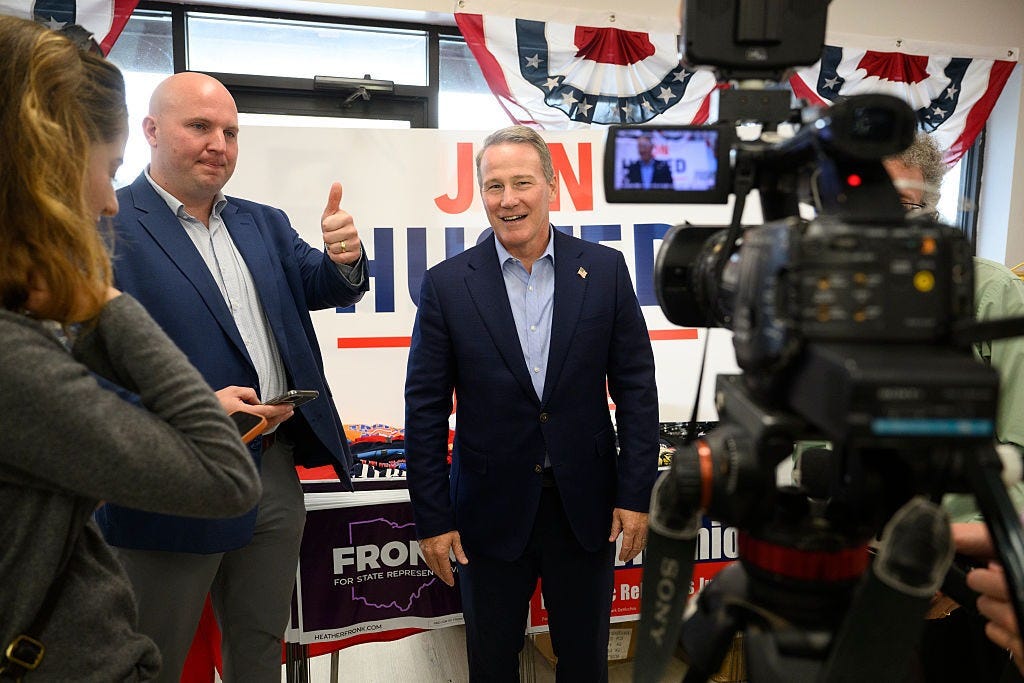
In Ohio, the Economy is Everything
Early voting is underway in Ohio, where Democrat Sherrod Brown is trying to return to the Senate after losing his seat two years ago.
He’s running against Republican Senator Jon Husted, who was appointed to fill JD Vance’s seat when Vance became vice president.
More than $400 million has been injected into the race, making it one of the most expensive in the country.
But for voters, the climbing cost of living is the top issue on their minds.
Reporter Matt Galka recently traveled to Ohio and attended a Brown event with labor unions, along with a Trump rally supporting Husted.
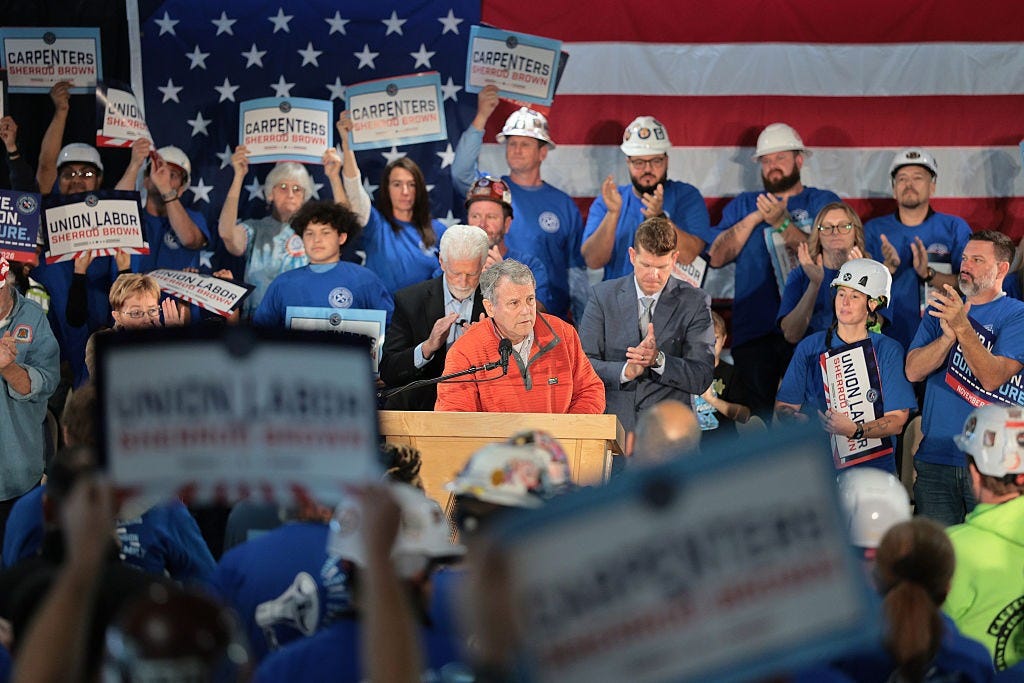
At Brown’s event, union members described struggling to afford rent, health care, and everyday expenses.
One conversation particularly stood out to Galka.
“I talked to a guy from the United Auto Workers who said the people in the union, the people who are making the parts for the cars, cannot even afford the car that they’re making the parts for.”
At the Trump rally, Galka heard a different perspective, with supporters acknowledging that prices are high. However, they also were confident that the president’s policies would eventually improve the economy.
The challenge for Republicans in this election cycle is getting those supporters to return to the polls when Trump himself isn’t on the ballot. Husted told Galka that if the voters who supported Trump in 2024 turn out again, Republicans can win.
Tariffs and Data Centers Are Complicating the Race
Ohio’s manufacturing economy makes the debate over tariffs especially complicated. Galka explains that tariffs on imported steel could benefit steelworkers, particularly in communities like Youngstown.
Those same policies can also increase costs for consumers and manufacturers.
“One tariff here can really benefit American jobs in the state. But another tariff there can really raise the cost on everybody.”
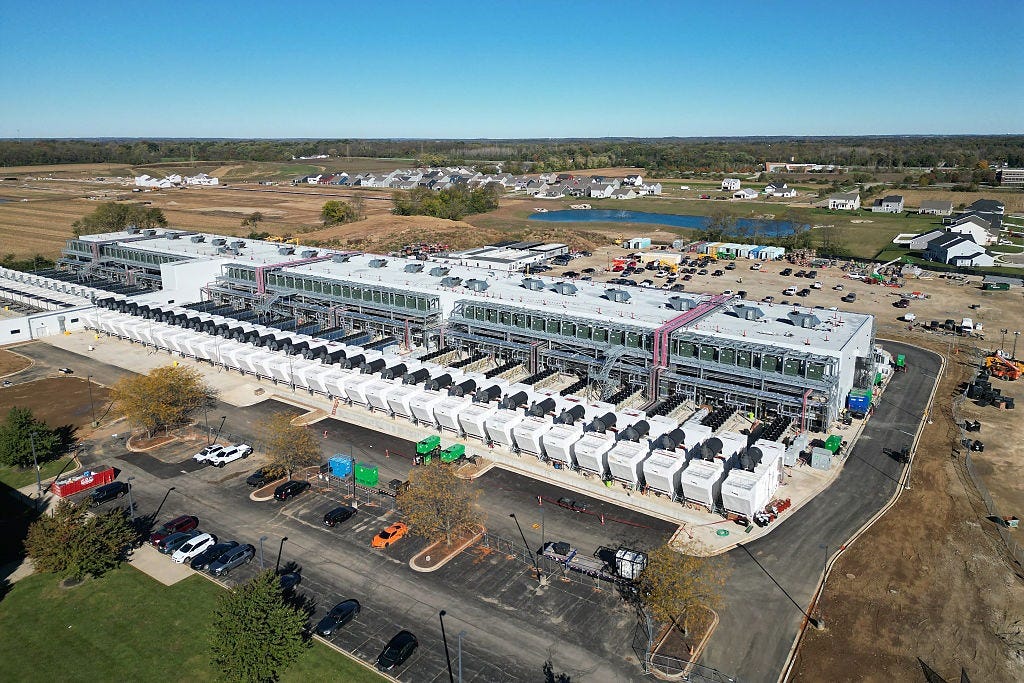
Data centers continue to be part of the big picture. In fact, Brown has repeatedly described Husted as the “face of data centers.”
But Husted points to his Ratepayer Protection Act, saying it would help prevent families and businesses from paying for the required infrastructure.
Galka says the opposition isn’t necessarily to artificial intelligence itself. Some voters believe the technology has a place in society but want stronger safeguards to protect their communities from soaring costs.
And in a state where manufacturing jobs and working-class voters have played a major role in recent elections, those concerns shine a light on the national battle for affordability.
That’s the briefing for today.
How should local politicians handle data center developers? And what do you want to hear from candidates about the cost of living as we head into the election?
Let us know what’s on your mind, and how it may affect how you vote in November.
The National Press
Real reporting. From real America.
Do you have something you’d like to share? Write to us at hi@thenationalpress.com


