


Today, we’re looking at what happens when judges take very different approaches to releasing defendants.
And later, Congress has ended the federal mandate for animal testing in drug development. We look at what’s taking its place and ask why the changes didn’t happen sooner.
Good morning.
Today, we’re looking at what happens when judges take very different approaches to releasing defendants.
And later, Congress has ended the federal mandate for animal testing in drug development. We look at what’s taking its place and ask why the changes didn’t happen sooner.
SUBSCRIBE

Michigan: Same Court, Very Different Bond Decisions
Imagine getting arrested for a serious crime, and whether you walk out of jail depends partly on which judge is sitting on the bench. That’s the question raised by an investigation in Kalamazoo, Michigan, where WWMT reporter Jessica Harthorn obtained six months of court records and uncovered major differences in how judges release defendants.
The investigation revisits the death of Kalamazoo County Sheriff’s Sgt. Ryan Proxmire, who was killed by a man who had been released on cashless bonds twice before the shooting. His family wants to know whether those decisions played a role in his death.
On a National Level: Supporters of bond reform argue that people shouldn’t remain in jail simply because they can’t afford bail. But judges must also weigh whether defendants pose a public safety risk. Research has not established a clear link between cashless bond policies and higher crime rates.
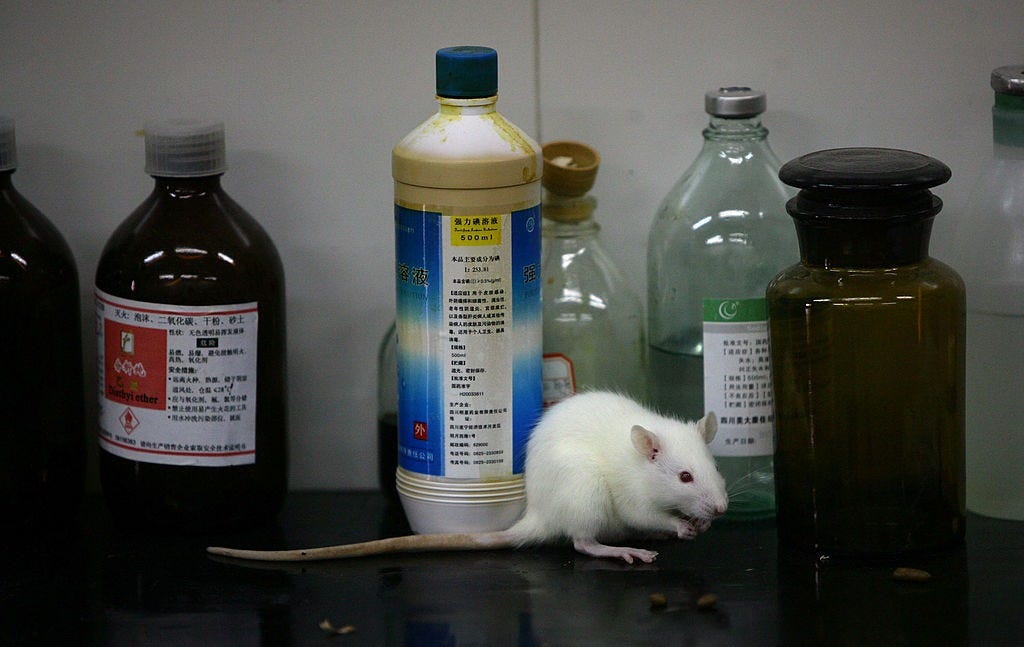
Could Human Organs on Microchips Replace Animal Testing?
For decades, nearly every new medicine in America had to clear the same hurdle before reaching patients: it had to be tested on animals first. But that didn’t necessarily mean the drugs were safe for people.
More than 90% of drugs that clear animal studies still fail in human trials, often because of safety or effectiveness problems that only show up in humans.
Congress passed the FDA Modernization Act 2.0 in 2022, allowing drug developers to use alternatives to animal testing. Animal studies aren’t prohibited, but researchers can now rely on other methods, including artificial intelligence and human cells grown on microchips.
ABC7 investigative reporter Lisa Fletcher traveled to Harvard’s Wyss Institute, where researchers are developing organ-on-a-chip technology. These tiny devices contain human cells and mimic aspects of organ function, allowing scientists to study how drugs might affect the human body.
On a National Level: Researchers believe the technology could speed up drug development, lower costs, and help bring more effective medicines to patients. It could even help doctors identify which cancer treatments are most likely to work for individual patients.
That’s the briefing for today.
Should judges all follow the same guidance when setting bond, or is discretion a good thing? And does animal testing still have a role in making sure medicines are safe?
Join the conversation at The National Press.
Real reporting. From real America.


