



Good morning.
Democrats swept races across the country, winning control of both chambers of Congress. And this was not just a blue wave. It was a tsunami.
Here at The National Press, we’ve been talking to state and local reporters covering education, energy and other issues that were on the ballot this year.
Today, we’re looking at five governors’ races and what those results mean beyond political affiliation.
Because when Americans think about elections, their attention usually goes straight to Washington. But who’s actually making decisions that impact your day-to-day life?
Five Governors’ Races, Five Questions About Affordability
Governors have enormous influence over kitchen-table issues like your electric bill, how much funding your child’s school gets and the taxes on your home.
And this year, governors have even more on their plate. Federal policy changes are shifting more costs for Medicaid and food assistance to the states, while housing legislation seeks to encourage more homebuilding.
So a lot of what happens next, from your health care to your groceries and your rent, gets decided in your state capitol.
Here’s what happened in five states.
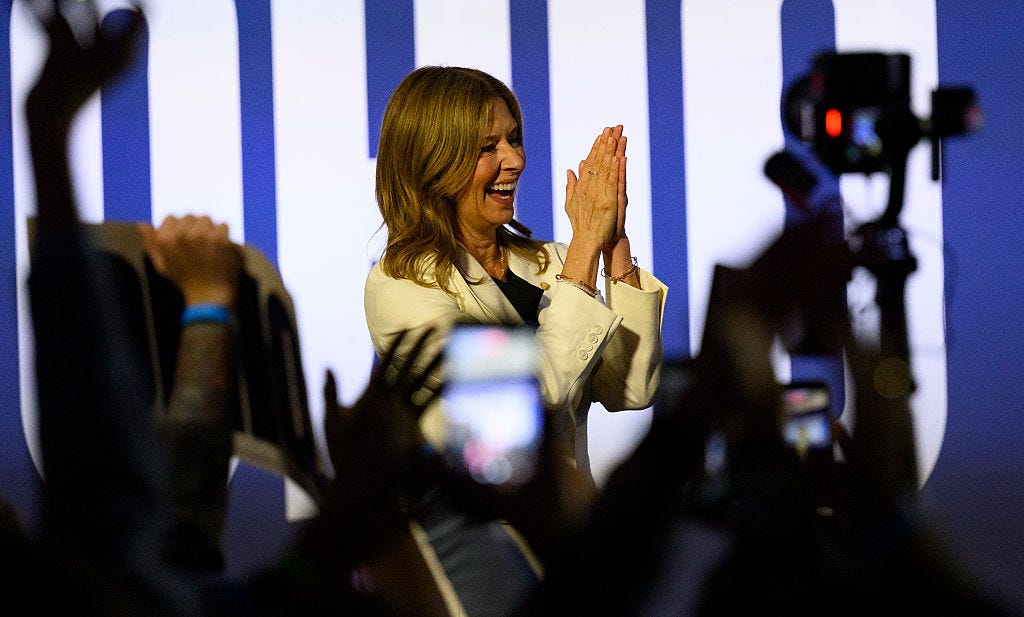
Ohio: Amy Acton Wins. Can She Lower Property Taxes?
Democrat Amy Acton defeated Republican Vivek Ramaswamy, becoming the first woman elected governor in Ohio history and ending nearly 16 years of Republican control.
Both candidates agreed that the cost of living was the issue, but disagreed on almost everything about how to fix it.
Acton campaigned on expanding the homestead exemption for older and disabled homeowners and creating new tax credits for working families.
Whoever takes office in January will have to address a question neither campaign fully answered: How do you deliver tax relief without cutting funding for schools and local services?
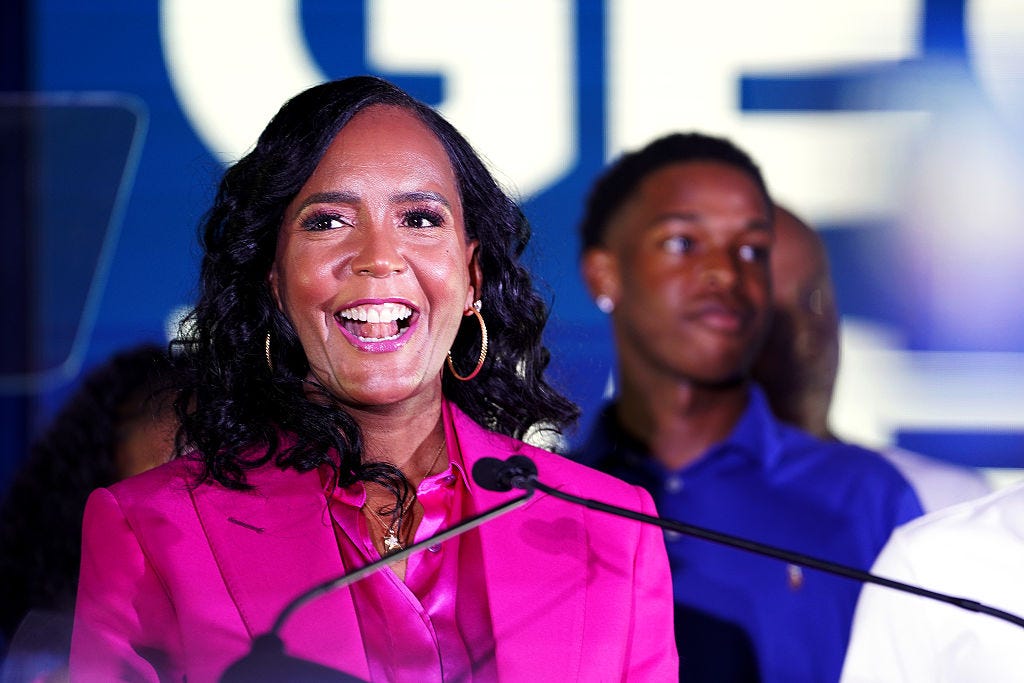
Georgia: Keisha Lance Bottoms Faces a Medicaid Test
Former Atlanta Mayor Keisha Lance Bottoms defeated Republican businessman Rick Jackson, becoming the first Black woman elected governor of a U.S. state.
Bottoms wants to expand Medicaid. Georgia’s existing Pathways program requires qualifying participants to document 80 hours a month of work, school or volunteering.
Three years in, the program covers about 20,000 people, far below the more than 64,000 once projected.
With new federal Medicaid requirements approaching in 2027, Bottoms walks into office with a decision that can’t wait.
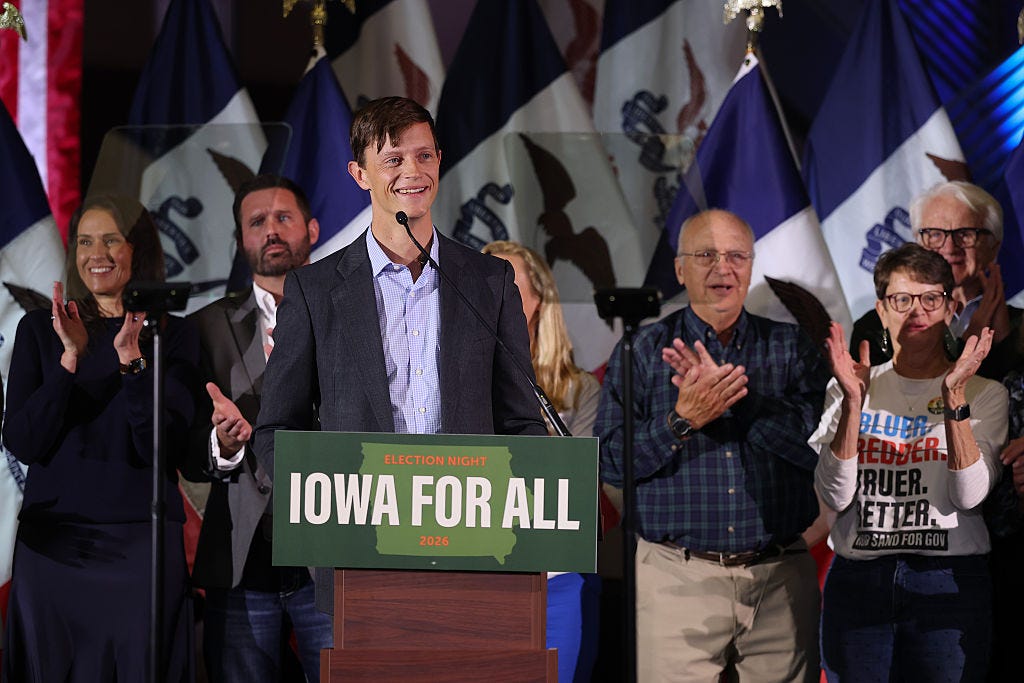
Iowa: Rob Sand Wins as Data Centers Raise Questions About Water
Democrat Rob Sand defeated Republican Zach Lahn, becoming Iowa’s first Democratic governor elected since 2006.
Both candidates said data centers should lose their tax breaks and pay their own power bills.
In Clinton, a proposed massive data center has raised concerns about drawing water from the Jordan aquifer, a major source of drinking water.
The question for Iowa isn’t just about data centers. It’s whether the water from your tap will still be there, and still be clean, 10 years from now.
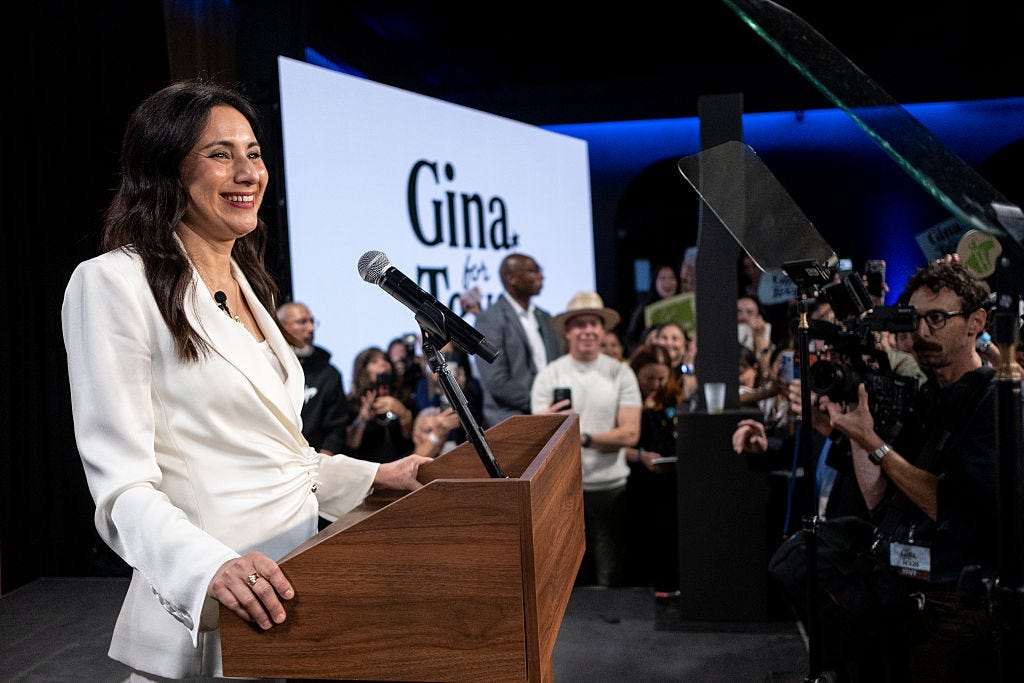
Texas: Gina Hinojosa Defeats Greg Abbott
Democrat Gina Hinojosa defeated Republican Governor Greg Abbott, becoming Texas’ first Latina governor and the first Democrat to win the office since Ann Richards.
Hinojosa wants to end the state’s Education Freedom Accounts school voucher program and redirect the money toward public schools and teacher pay.
She also wants a moratorium on new data centers until lawmakers address their effects on electricity and water bills.
Her victory raises a question for a state that’s experienced enormous economic growth: Is that growth worth the strain it places on public schools, infrastructure and household costs?
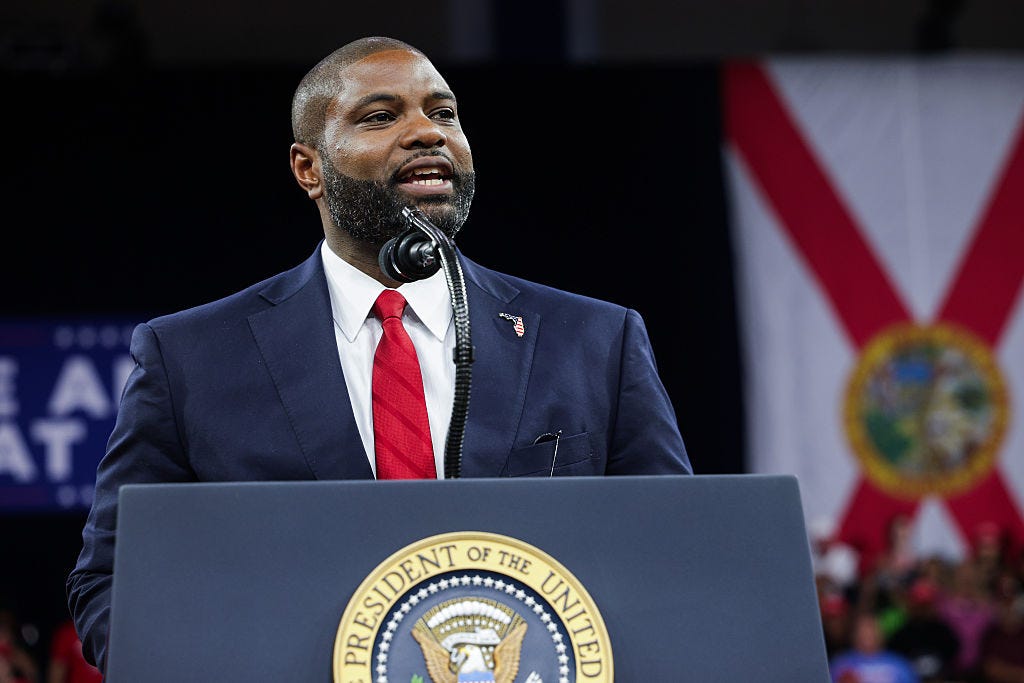
Florida: Byron Donalds Wins, but Democrats Make It Close
Republican Byron Donalds defeated Democrat David Jolly in a much closer race than many expected. He will become Florida’s first Black governor.
Both candidates promised to bring down homeowners insurance costs, among the highest in the nation.
Donalds’ Bring Down the Bill plan keeps the private market in charge, introduces a public scorecard for insurers and proposes reducing a surcharge paid into the state’s hurricane fund.
He says his approach could lower rates by 20% to 30%. Whether he can deliver those savings is another question.
What the People Inside These Campaigns Say Happened
Texas Republicans: We Got Too Comfortable
We spoke with D’rinda Randall, chair of the Republican Party of Texas, about one of the night’s biggest surprises.
Randall acknowledged that Republicans had failed to communicate with voters about affordability and the changing political mood.
“We have gotten very comfortable.”
She said some Republicans assumed Texas would never turn blue. But when voters became frustrated about housing costs and other issues, Democrats were better at communicating that they understood their concerns.
Randall also acknowledged that data centers were an important issue, including worries about electricity, water and land use.
Texas Democrats: The Voters Were There All Along
Texas Democratic Party Chairman Kendall Scudder offered a different explanation.
“Texas is not a ruby red state. Texas is a nonvoting state.”
Scudder says Democrats stopped conceding parts of the state, organized in communities that hadn’t been engaged and made a concerted effort to turn out working-class voters.
But he also acknowledged that winning isn’t the end of the job.
“It’s one thing to win, it’s another thing to deliver.”
Florida: A Narrow Republican Victory May Be a Warning
Pollster and author Michael Cohen says Byron Donalds’ win should concern Republicans despite keeping the governor’s mansion.
“There’s nothing worse in politics than losing. But what comes very close to that is a narrow win like they got tonight.”
Cohen says Democrats performed better than expected in a state that has become reliably Republican. He also argues Donalds will have to work across party lines to address major issues like property insurance.
Florida Democratic Party Chair Nikki Fried says the race demonstrates why Democrats shouldn’t write off Florida.
“Florida continues to be that battleground state, that purple state that people cannot count out.”
Fried points to rent, property insurance, utility bills and the economy as the issues that motivated voters. But she also says the party needs more national investment to compete statewide.
Ohio: Did an Attack Ad Backfire on Vivek Ramaswamy?
Axios senior political reporter Alex Isenstadt joined us to discuss the controversial campaign ad featuring Amy Acton’s estranged mother, which drew criticism from both parties.
Ramaswamy’s campaign initially announced plans to spend $4 million promoting the ad. Isenstadt says there was concern inside the Republican political operation that it was too risky, but after it leaked online, the campaign decided to double down.
An internal Republican poll suggested Acton’s lead increased after the ad began circulating, although that alone doesn’t establish what caused voters to change their minds.
Isenstadt says the larger story may have been the issues voters were already angry about.
“These are big macro issues, and one of the other big macro issues that plays a big role in Ohio is tariffs.”
He also says concerns about data centers and electricity costs hurt Republican candidates long before the final campaign controversy.
Who Gets to Choose the Candidates in the First Place?
Election results tell us who’s going to run these states.
But there’s an earlier question that shapes every one of these races: Who gets to choose the candidates in the first place?
A Gallup survey found that a record 45% of Americans identify as independents. Yet their ability to participate in party primaries depends on where they live.
We spoke with John Opdycke, founder and president of Open Primaries, which backed Massachusetts’ proposal to replace separate party primaries with one all-party ballot.
Massachusetts voters rejected Question 3. In Alaska, early returns showed voters leaning against a proposal to repeal their open-primary and ranked-choice voting system, but significant counting remained.
Opdycke argues the goal isn’t necessarily to elect more independent candidates. It’s to give voters more choices.
“The primary beneficiary of open primaries is not independent candidates. It’s not candidates at all. It’s voters.”
He says simply changing the law isn’t enough. Voters also have to understand their options and participate in primaries, where many general-election choices are effectively decided.
That’s the briefing for today.
What was the most important issue in your state or community? Did the campaign season address your concerns, or ignore them?
Join the conversation.
The National Press
Real reporting. From real America.


