


For decades, states have counted on Washington to help them rebuild after natural disasters.
Now FEMA is telling states to plan on handling most disasters themselves.
Today, we go to three states: one still recovering from back-to-back floods, one bracing for a potentially record-breaking El Niño winter, and one where homeowners are already struggling with insurance costs.
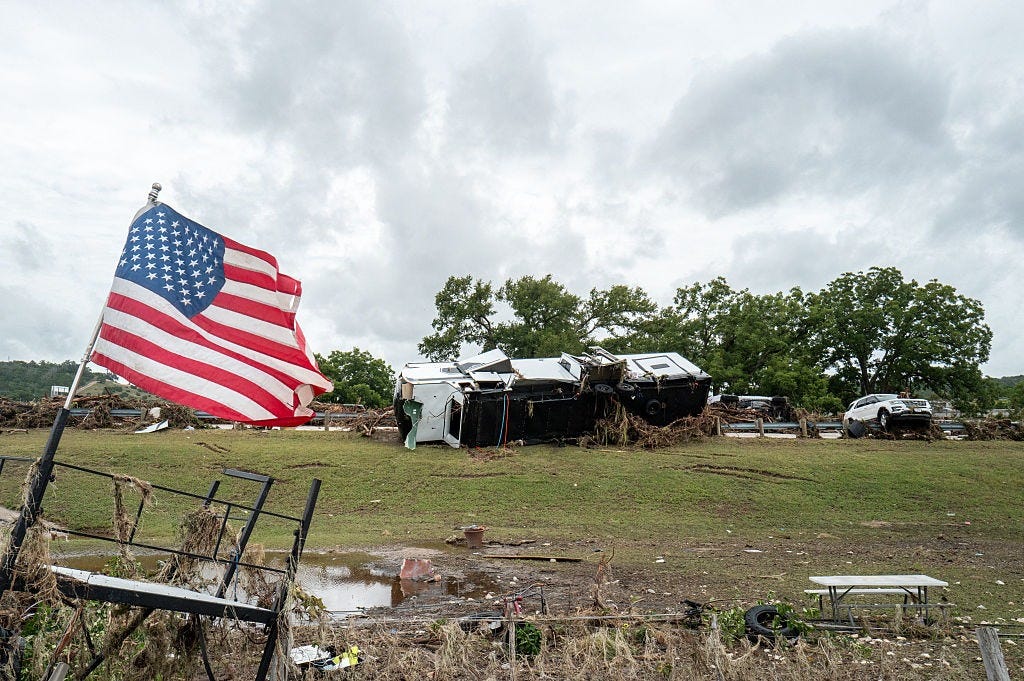
Texas and California: Can States Handle Disasters Without FEMA?
FEMA Administrator Cameron Hamilton has told state emergency managers to prepare to handle most disasters on their own. Changes to federal support could begin within six months, according to a recording obtained by Politico.
Many families in Kerr County have been flooded not once, but twice in two years. Last summer, federal help for individuals arrived within days. This year, families waited three months before FEMA denied their request. Texas has now appealed that decision, and President Trump has promised additional federal funding.
Texas currently pays just 2% of its $1.9 billion emergency response budget, according to its emergency management chief. Federal money covers the rest. If Washington pulls back, states will have to figure out how to fill that gap.
In California, after Tropical Storm Rachel brought flooding and damaging surf, the state is bracing for what could be a record-breaking El Niño winter. Officials have pre-positioned more than 6 million sandbags and hundreds of thousands of tons of rock for emergency levee repairs.
On a National Level: States may be able to respond faster and create plans tailored to their own risks. But the question is whether they have the money, infrastructure and coordination to take on responsibilities traditionally supported by Washington.
Texas Tribune reporter Emily Foxhall says:
“There’s this huge question around how communities can rebuild if FEMA steps back from taking a leading role in supporting recovery.”FOX 26 reporter Liz Gonzalez says:
“They know that somebody will help. They just don’t know how much.”
Florida: Homeowners Could Pay More and Get Less
If a hurricane, flood or wildfire hit your home tomorrow, who would help you pay to rebuild? For decades, part of that answer has been FEMA. But a smaller federal role raises hard questions about disaster aid, insurance coverage and who can afford to own a home in disaster-prone areas.
Florida attorney Aaron Bass, who represents homeowners in disputes with insurers, explains that insurance companies buy reinsurance to protect themselves against major disasters. When wildfires or hurricanes cause massive losses in one state, those costs can affect insurance premiums across the country.
Bass says homeowners are facing higher deductibles, broader policy exclusions and fewer benefits. Some families may deliberately buy less coverage because it’s all they can afford.
On a National Level: Even if you can afford to buy a home, can you afford to insure it? And do you have enough money in the bank to cover what insurance doesn’t?
“And then we see less from FEMA. The people getting squeezed, the people in the middle of all this, are homeowners.”
That’s the briefing for today.
Should states take on more responsibility for natural disasters, or is emergency response something the federal government should own?
Let us know what you think in the comments
The National Press.
Real reporting. From real America.


