


Today, we’re looking at what voters decided down the ballot and the issues that matter to them the most. Plus, an original investigation into generic drug safety that touches almost everybody.
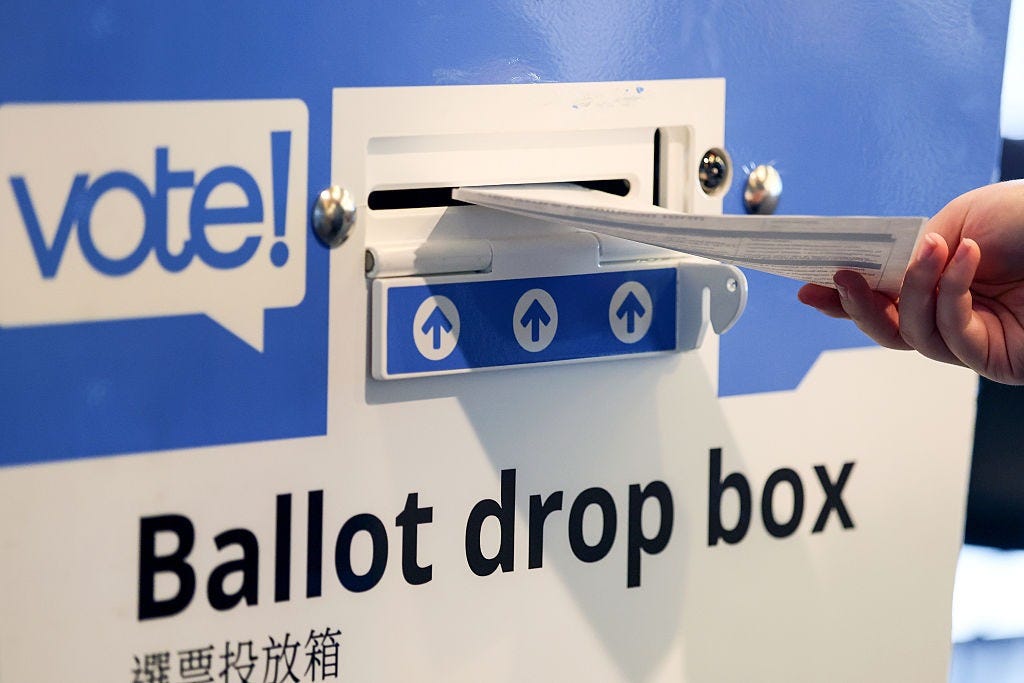
When Voters Were Asked to Reverse Course, Most Said No
On Election Day, we told you your ballot was probably longer than you thought.
Now we know how most of it turned out. And there’s a pattern worth noticing: Over and over again, when voters were asked to undo something they had already decided, they said no.
Abortion: In Missouri, roughly 55% of voters rejected an effort to repeal the abortion-rights amendment they passed in 2024. Nevada and Virginia voters approved constitutional abortion protections, while Idaho voters rejected a measure that would have loosened the state’s near-total ban.
Property taxes: Florida voters approved a major homestead property-tax cut with roughly 62% support, just above the 60% needed to pass. Homeowners will pay less in certain local property taxes, but cities and counties could lose billions in revenue.
Taxing the wealthy: Washington voters appeared to be keeping a new tax on income above $1 million. In California, Proposition 40, a proposed one-time 5% tax on billionaires’ wealth, was trailing. The final California result was not yet settled.
Election rules: Nevada voters approved a voter ID requirement for the second time, putting it on track to enter the state constitution. Alaska voters were leaning toward keeping ranked-choice voting and open primaries, although counting was continuing.
Massachusetts voters rejected an effort to shut down recreational marijuana sales, roughly three to one. Voters in Washington, D.C., and Denver also approved bans on foie gras made from force-fed ducks and geese.
On a National Level: Ballot measures allow voters to make laws directly. Some results will change taxes, health care and election procedures almost immediately. Others could face court challenges or take years to implement.
Do You Know Where Your Medicine Was Made?
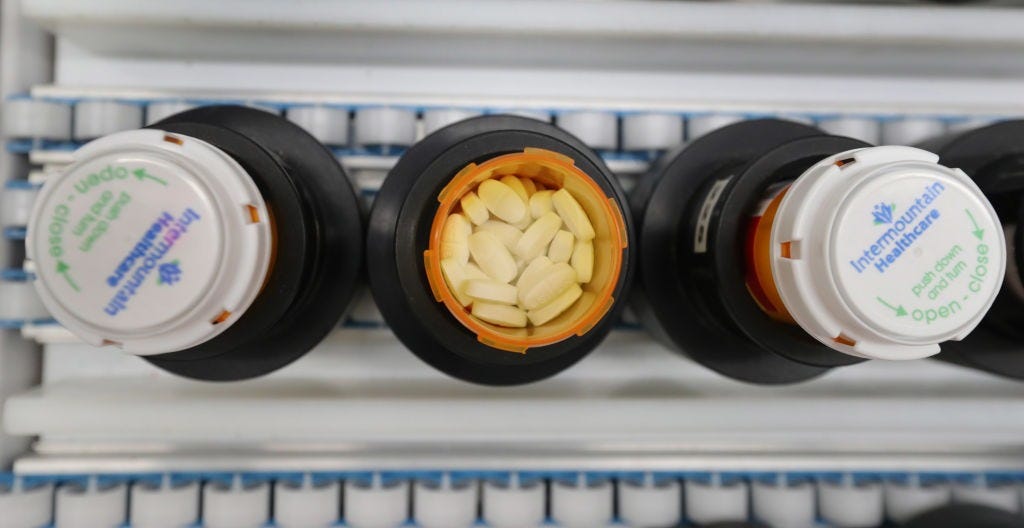
Take a look at the pill bottles inside your medicine cabinet.
Do you know where those drugs were made?
Nearly 90% of the medicines Americans take are generic, and almost half of the generic supply comes from India, according to the reporting team behind Tainted Trust: Inside the Global Medicine Pipeline.
Spotlight on America reporter Lisa Fletcher and producer Andrea Nejman spent years investigating the manufacturing and oversight of generic drugs, tracking medicines from FDA inspection files to factory gates.
Their investigation uncovered FDA records describing destroyed documents, unregistered testing laboratories and serious sanitation problems at some overseas facilities.
Nejman says investigators discovered references to an unregistered laboratory that appeared to fit the pattern of a shadow facility, a location outside the official manufacturing operation that regulators might not know exists.
What Nejman says:
“There were things like cats, birds, lizards. Um, the, the staff at that facility tried to lock out the FDA inspectors because they didn’t want them to see what was going on.”Nejman cited research by Ohio State University professor John Gray associating drugs manufactured in India with a 54% higher rate of serious adverse events. The finding is an association, not proof that any particular medication causes harm.
Drug labels don’t always make it clear where the medicine was actually manufactured, and pharmacists may have few alternative suppliers.
What Fletcher says:
“Right now there are very few purchasers in the United States that control the entire market for drugs, and specifically generic drugs. And the single largest driver for those purchases is cost.”When regulators shut down a troubled factory, the United States can lose access to critical medicines. Problems at an Indian manufacturer previously contributed to major shortages of chemotherapy drugs used to treat cancer patients, including children.
On a National Level: The investigation raises a difficult question: How can the United States strengthen drug safety without making essential medications unavailable?
Both journalists emphasize that many foreign-manufactured generic medicines are safe and effective. Their advice is not to stop taking prescribed medication, but to speak with your doctor if you have concerns.
That’s the briefing for today.
What do you think about the reporting on generic drug safety? Will it change how you buy or discuss medication with your doctor?
Let us know.
The National Press.
Real reporting. From real America.


