


Good morning, and welcome to The National Press.
It’s been three weeks since the midterm elections, and strategists are trying to figure out what went wrong for Republicans.
The GOP and its allies spent nearly $5.5 billion on campaign ads, about $430 million more than Democrats, and still lost control of the House and Senate.
Today, Lyndsay Keith speaks with Eric Wilson, a Republican digital strategist, who says Republicans didn’t get outspent. They got out-posted.
Then, Scott Thuman of ABC7 joins us to explain why Washington, D.C.’s first new mayor in 12 years could face a difficult relationship with President Trump.
In Today’s Show
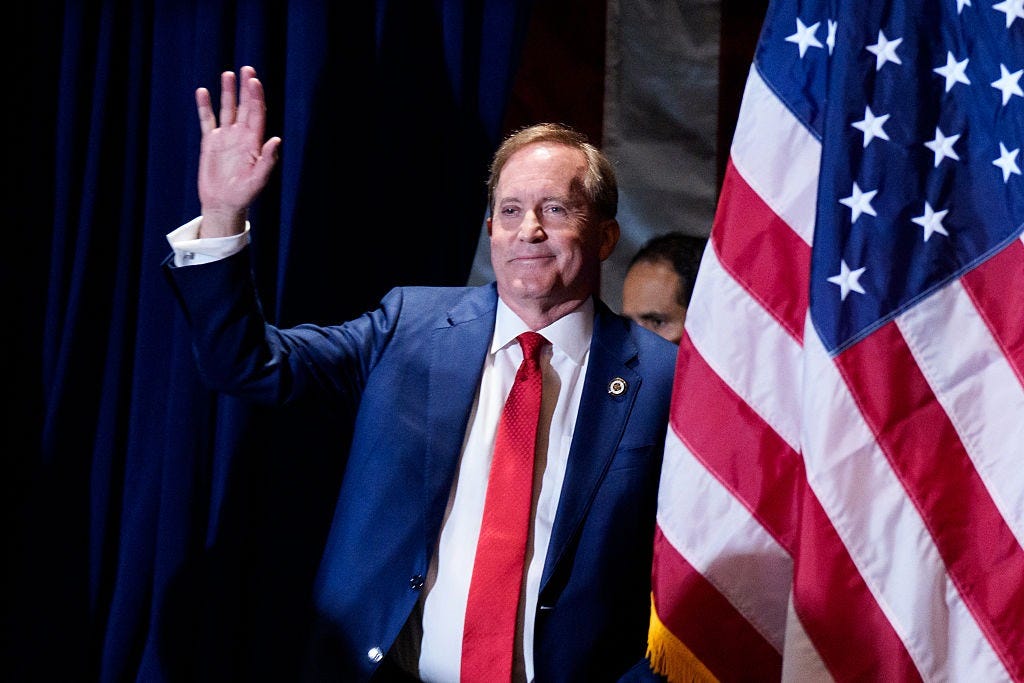
Republicans Outspent Democrats. So Why Did They Lose?
Republicans spent more money on campaign ads than Democrats this midterm cycle, but Democrats won both chambers of Congress, including their largest House majority since 1992.
Most post-election analysis has focused on the economy, tariffs, the war with Iran and President Trump’s unpopularity. But Eric Wilson, who leads the Center for Campaign Innovation, says Republicans had another problem: They didn’t show up where voters were getting their news.
Wilson’s organization surveyed voters and found Democrats reached more people across all 12 voter-contact channels it measured. Republicans came closest on television advertising, while Democrats were more visible on social media, podcasts and other digital platforms.
Wilson says Republicans failed to learn from Trump’s successful 2024 podcast strategy, while Democratic candidates embraced YouTube, TikTok and online creators.
And this wasn’t limited to younger voters. His survey found that six in 10 voters get news and information through social media, while 30% used AI tools to research candidates or elections, nearly triple the share in 2024.
That’s creating another challenge. When candidates don’t publish their policy positions online, AI tools may rely on outside sources to answer voters’ questions.
Wilson says candidates now have to communicate with both human voters and the algorithms that help determine what information reaches them.
He also criticized the flood of campaign fundraising texts, saying some voters were asked for money before they were even asked for their votes.
His advice for 2028? Show up, work hard and meet voters where they are.
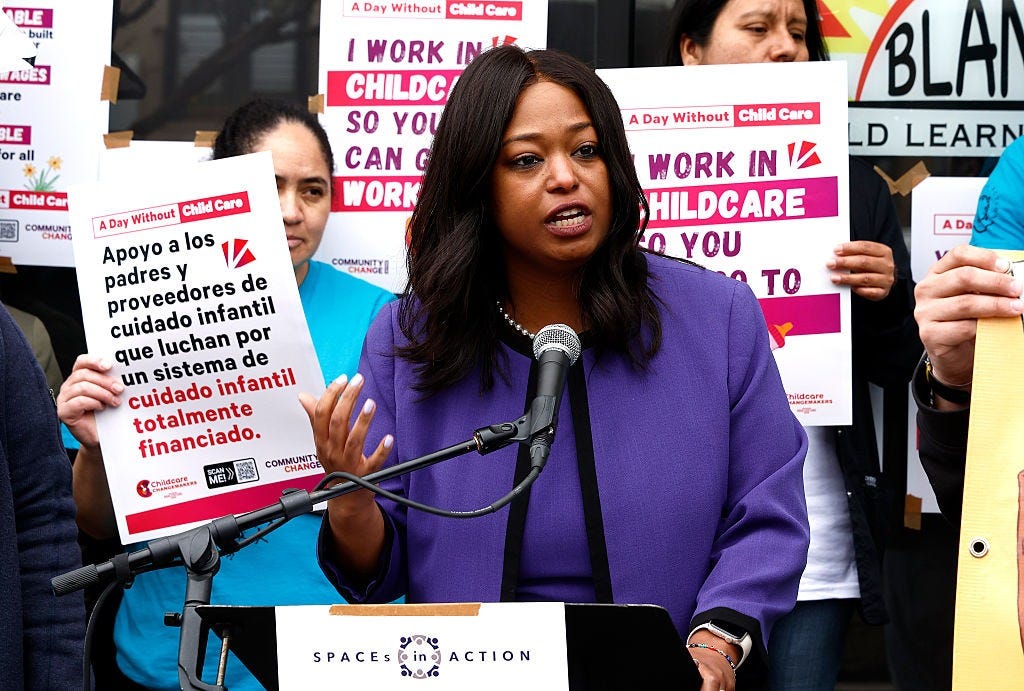
D.C.’s New Democratic Socialist Mayor Faces a Familiar Problem: Donald Trump
For the first time in 12 years, the nation’s capital is getting a new mayor.
Janeese Lewis George will replace Muriel Bowser in January after winning on a platform centered on affordability, housing, universal child care and pushing back against President Trump.
But Washington, D.C., is unlike other American cities. Congress and the White House have tremendous influence over how the city operates.
Scott Thuman, ABC7’s chief political correspondent, says Lewis George will have to navigate the same political reality that led Bowser to adopt a more cooperative relationship with the president.
Lewis George has promised to scale back local police cooperation with federal immigration authorities and challenge the National Guard’s presence in D.C. But she has also indicated she’s willing to meet with Trump and work together where their interests align.
Scott says her election is an important victory for the Democratic Socialists of America, which has gained influence in several major American cities.
Now comes the difficult part: governing.
With Democrats taking control of Congress in January, Lewis George will have more allies on Capitol Hill. But she’ll still have to find common ground with a Republican president if she wants to deliver on her promises.
And Scott says the ultimate test for Democrats will be whether they produce tangible improvements on affordability, rather than focusing exclusively on confronting Trump.
The Headlines From Our Network
Every day, our team scans local news from across the country. Here’s what stood out to us.
Pensacola Considers Selling Public Parks After Property Tax Cuts
What’s your local park worth?
In Pensacola, Florida, the city is about to find out.
On the same day the city cut the ribbon on a new playground, Mayor D.C. Reeves said selling some public park properties is now on the table.
The reason is Amendment 3. Florida voters approved a property tax cut with 62% of the vote, but those taxes also help pay for city services.
Pensacola expects to lose more than $7 million a year. WEAR reports that if public safety spending is protected, other general fund departments could face cuts of approximately 30%, including parks and recreation, which oversees 95 parks.
The city now plans to assess the property values of its parks and community centers, and future improvements will likely be paused.
And it’s not just Florida. Other states have also cut property taxes, leaving some communities questioning how they’ll continue paying for parks, libraries and local services.
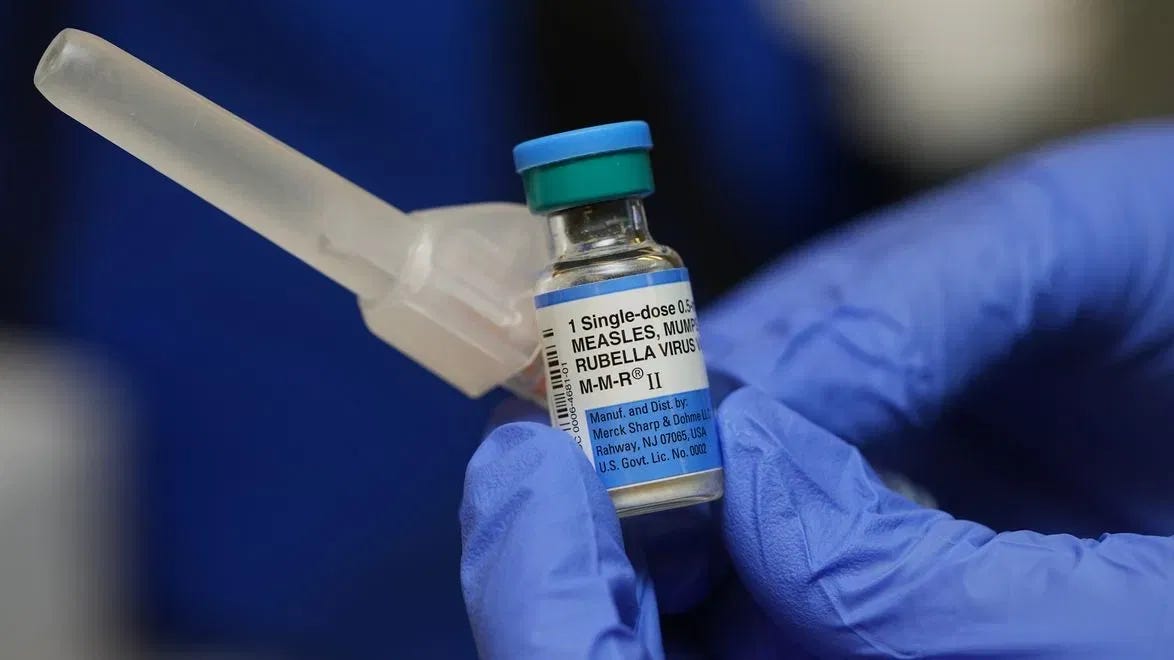
Virginia Reports First Measles-Associated Death in 48 Years
A young child in Virginia has died after testing positive for measles.
The Virginia Department of Health says the child was 4 years old or younger. Other details are being withheld to protect the family’s privacy.
It’s the state’s first measles-associated death since 1978.
ABC7 reports Virginia has recorded 220 measles cases this year, more than the previous 34 years combined and the state’s highest annual total since 1988.
Forty-one cases were reported between Oct. 17 and Nov. 20. Every one involved someone who was unvaccinated or whose vaccination status was unknown.
The death comes just days after the United States officially lost its measles elimination status, which it had held since 2000.
Virginia isn’t alone. Other states are reporting outbreaks and deaths as the once-controlled disease continues spreading across the country.
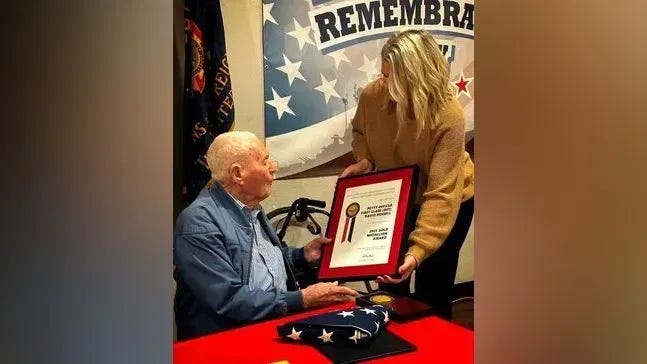
At 106, Pearl Harbor Survivor Remembers Two Attacks on the Same Date
And finally, a story about survival and remembrance.
One of the last surviving members of Pearl Harbor is 106 years old.
On Dec. 7, 1941, David Russell was aboard the USS Oklahoma when Japanese forces attacked Pearl Harbor. The battleship capsized, killing 429 people. Russell narrowly escaped.
And if that wasn’t enough, exactly three years later, on Dec. 7, 1944, he survived another attack, this time aboard the USS Mahan.
Today, Russell lives in Albany, Oregon. NBC16 reports he’s believed to be the nation’s oldest living Pearl Harbor survivor following the recent death of fellow survivor Freeman Johnson.
Russell celebrated his 106th birthday in September, and Oregon state Rep. Shelly Boshart Davis recently recognized his service as the country approaches the 85th anniversary of Pearl Harbor.
With the number of surviving witnesses dwindling, Davis says preserving their firsthand stories matters more than ever.
As the window to hear from these veterans closes, their experiences become even more important to remember.
What else should we be covering?
Now we want to hear from you.
What was the most effective way campaigns reached you this election?
Tell us what you think.
The National Press
Real reporting. From real America.


