



Good morning, and welcome to The National Press.
Election Day is almost here, and roughly 40 million people have already cast their ballots.
In our daily show, we’re checking in on two states that could have major consequences for the balance of power in Washington.
In Today’s Show

Georgia Is Breaking Early Voting Records. But Can Voters Trust the Count?
Georgia voters are shattering records this fall. More than 1 million people cast ballots in just the first week of early voting, and the number has continued to climb. But behind those record numbers is a fight over how those votes get counted. Lawmakers have delayed a ban on the QR codes used by Georgia’s voting machines until 2028, while a majority of the state’s election board has asked the Justice Department to declare the machines unlawful.
Georgia Deputy Secretary of State Jordan Fuchs joins Lyndsay to explain what the state has done to secure its elections and why she believes voters can trust the process. Fuchs says Georgia’s machines have been repeatedly audited, and voters can review their printed selections before casting their ballots. If there’s an error, they can ask to have the ballot spoiled and vote again. But with another close election approaching, questions remain about audits, the future of Georgia’s voting system and how officials can rebuild trust among skeptical voters.

Michigan’s Senate Race Could Decide Control of Washington. And It’s Getting Expensive.
In battleground Michigan, voters are choosing a new U.S. senator who could determine the balance of power in Washington. They’re also choosing a new governor. Both seats are open. Democrat Abdul El-Sayed faces former Republican Congressman Mike Rogers in a Senate race on pace to cost nearly $300 million. And it’s close. An October Marist poll had El-Sayed ahead by just two points among likely voters, inside the margin of error.
Remington Hernandez, who covers state politics for Sinclair’s Michigan stations, joins us to explain what he’s hearing on the ground. El-Sayed is trying to reach voters who previously supported Donald Trump, while Rogers is campaigning in communities where Republicans haven’t traditionally performed well. Meanwhile, Democratic gubernatorial candidate Jocelyn Benson is polling ahead of Republican John James and outperforming El-Sayed, suggesting some voters may split their tickets. With both parties making a final push, could Michigan deliver two very different results on Election Day?
The Headlines From Our Network
We are plugged into a network of hundreds of local reporters around the country. Every day our team scans local news from across the country so you don’t have to.
These are the stories that caught our eye:
Pennsylvania Closes a Gap in Child Abuse Reporting After an AI Image Scandal
When one student abuses another, who has to make the call? In Pennsylvania, that answer just got a lot clearer.
Governor Josh Shapiro has signed a law closing gaps in the state’s mandated reporter rules. The changes follow a case at Lancaster Country Day School, where two students used AI to create sexually explicit images of at least 59 underage girls in 2023. A lawsuit from victims’ parents alleges that the school received a tip but never called police or the state’s child abuse hotline.
One victim’s family helped push for change, including a daughter who traveled to Harrisburg to meet with lawmakers. The new law covers child-on-child abuse, including images created using artificial intelligence, and is scheduled to take effect in 90 days. State Representative Nikki Rivera says mandated reporters no longer have to guess whether an image is real or whether a child intended to cause harm.
A San Antonio School Learned About an AI-Generated Shooting Threat From the News
Imagine finding out your school was the target of a mass shooting threat from the news. That’s what happened at Serna Elementary School in San Antonio.
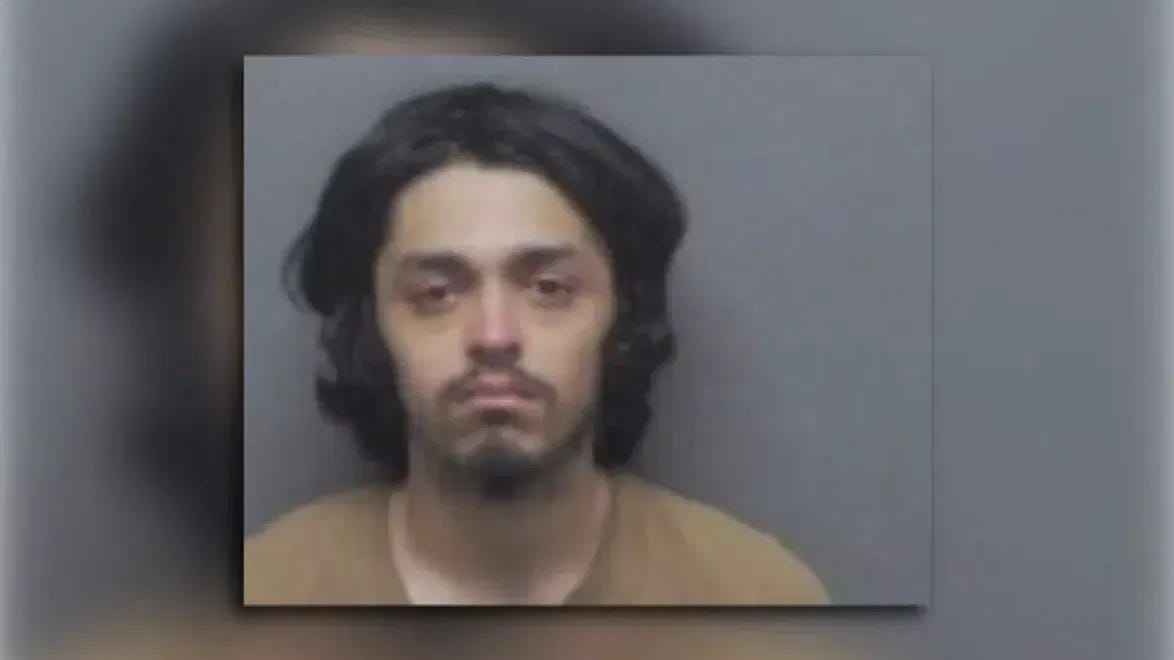
Police say 22-year-old Nathaniel Carrasco used an AI chatbot to write detailed threats against the school in August. He now faces a felony terroristic threat charge. The FBI alerted local law enforcement, but Principal Jennifer Lomas says no one told her campus about the specific threat until it appeared in news coverage weeks later.
Now three North East Independent School District officers have been suspended and reprimanded, and two sergeants have left the department. The district hasn’t publicly explained what the officers did wrong. The case leaves a question every school district could face: When the FBI catches an AI-generated threat, whose job is it to warn the school?
DNA Evidence Links Ted Bundy to the Murder of a Utah Teenager 52 Years Later
Fifty-two years. That’s how long it took to identify the man who killed Melissa Anne Smith.
The 17-year-old daughter of a Utah police chief disappeared in October 1974. Hunters found her body 11 days later. Now, more than five decades later, Salt Lake County prosecutors say her killer was Ted Bundy.
Investigators used DNA evidence from another Bundy murder, that of Utah teenager Laura Ann Aime, to make the connection. The state crime lab compared the profiles and found them consistent. Officials say Smith’s family is grateful for the development. And the case shows why preserving evidence matters, even decades after a crime. Bundy confessed to 30 murders, but not every case was confirmed. This week, authorities linked him to one more.

Palisades Nuclear Plant, if Restarted, Would be First Decommissioned U.S. Reactor Ever Brought Back Online
The Palisades Nuclear Power Plant in Covert Township, Michigan, is on track to restart by the end of 2026, according to U.S. Energy Secretary Chris Wright, who said he hopes the plant could come online as soon as November.
Owned by Holtec International, Palisades would become the first decommissioned nuclear plant in U.S. history to return to service.
What else should we be covering?
The most important stories in America start in communities like yours.
With Election Day approaching, what issues are driving you to the polls? Are you paying closer attention to local races or the fight for control of Congress?
Tell us what we’re missing in the comments, and share the local stories you think deserve national attention.
The National Press
Real reporting. From real America.