


Good morning, and welcome to The National Press.
Child sexual abuse imagery is one of the most heinous crimes there is. And now predators are scraping photos off the internet and using AI to create it.
Today, Rafaela Siewert is filling in for Lyndsay Keith, and we’re looking at how AI makes this material easier to create, why the law hasn’t caught up, who’s getting hurt and what we can do about it.
As we’ve been digging into local stories, we keep seeing the same thing. Cases involving AI-generated deepfakes, meaning photos scraped from the internet, taken and turned into something they’re not.
In September, two teenagers at a high school in Clarksville, Tennessee, were accused of using AI to turn photos into sexual images.
That same month, a man in Vero Beach, Florida, was charged with taking a woman’s photos off a public site, using AI to make them explicit and then sharing them without her consent.
And this past summer, a federal class-action lawsuit was filed against xAI, Elon Musk’s company behind Grok, alleging its technology was used to create sexual abuse imagery involving children.
Today, we’re focusing on a similar case out of Michigan, where a 13-year-old was blackmailed with explicit deepfakes made from innocent photos.
Then, a leading digital forensics expert explains how technology is making this possible, why the law hasn’t caught up and who should be held responsible.
In Today’s Show

A Michigan Teenager Was Extorted With Explicit AI-Generated Images Made From Innocent Photos
A 13-year-old in northern Michigan became the victim of an extortion plot involving TikTok, a few innocent photos and artificial intelligence.
Marc Schollett of UpNorthLive in Traverse City has been following the case.
He says it started when someone contacted the teenager on TikTok, pretending they might know each other. The person asked for a couple of face photos to see if they could make the connection.
The teenager sent innocent photos. But later, the person sent back explicit images created using AI.
Then came the threats.
The person said they would share the images with the teenager’s friends and family, without telling anyone they were fake, unless the child sent gift cards.
And law enforcement still doesn’t know who’s behind the account. Marc says investigators believe the person could be overseas, making them extremely difficult to track down.
The teenager eventually reported what happened through Michigan’s OK2SAY tip line, which allows students to report bullying, cyberbullying, extortion and other threats.
And Marc says these types of reports are increasing. The program received more than 10,000 tips in the first ten months of this year, with cyberbullying and sextortion increasingly showing up among the leading categories.
So how can parents protect their children?
Marc says they need to know what apps their kids are using, talk to them about these dangers and make sure children know they can ask for help.
And that’s especially important now that even innocent photos can be turned into something they’re not.
The Headlines From Our Network
Here are some of the headlines we’re watching from our affiliates across the country.
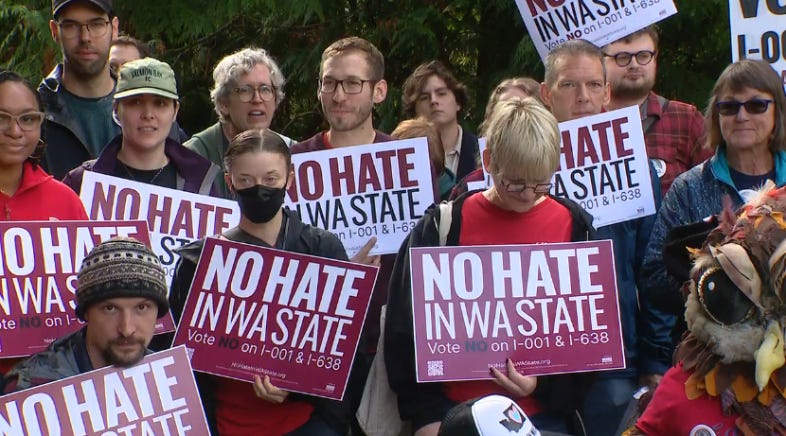
Washington Voters Approve New Rules for Girls’ School Sports
Last week, voters in Washington state passed an initiative requiring girls who want to play on K-12 girls’ sports teams to provide verification of their sex assigned at birth.
Colorado voters passed a similar measure this midterm, and Arizona and Nebraska went further, strengthening bans against transgender athletes that they already had.
In Washington, the rule requires a health care provider to verify the sex of every girl who plays school sports in the state.
The measure is expected to face legal challenges.
And it raises questions about the future of girls’ sports and whether these new protocols are just and necessary, or cumbersome and pointless.
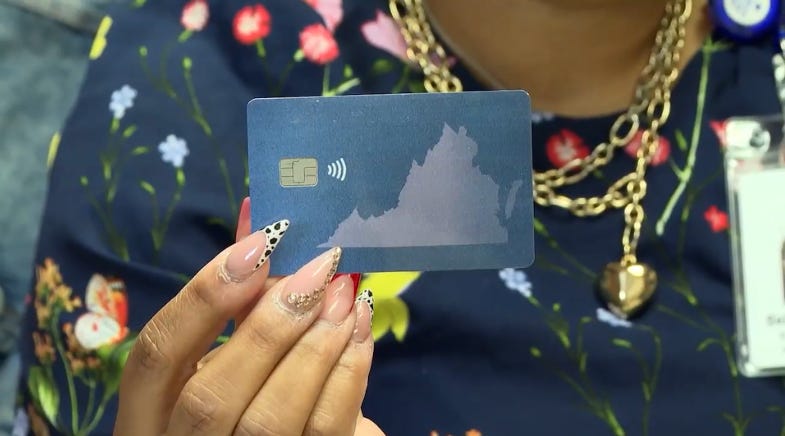
Stolen SNAP Benefits Drop Sharply in Virginia After New Security Cards Are Introduced
More than $62,000 in SNAP benefits were stolen this August in Lynchburg, Virginia.
SNAP benefits, once known as food stamps, are distributed using prepaid debit cards.
ABC13 reports that one family’s benefits were stolen after someone put a skimmer on a machine at a Dollar Tree, a device that captures card information.
In September, the Lynchburg Department of Human Services introduced higher-security cards with an expiration date, a three-digit security code and a PIN.
Since then, reported theft fell to about $33,000 in September and down again to nearly $20,000 in October.
And Human Services says it hasn’t received a single fraud report involving the new cards.

Reno Father Questions Why School Police Gave His 14-Year-Old Son a Breathalyzer Test
And finally, in Reno, Nevada, a father wants to know why school police gave his 14-year-old son an alcohol breath test without telling him.
Fox 11 reports the student became sick while in class, had very low blood pressure and was taken to urgent care.
But his father, a former federal law enforcement officer, says his son needed medical care, not questioning about drugs or alcohol.
The breath test found no alcohol in the teenager’s system.
Now the father is questioning whether the test was justified and why he wasn’t informed.
What else should we be covering?
The most important stories in America start in communities like yours.
Now we want to hear from you.
Are lawmakers doing enough to protect kids?
And who should ultimately be held responsible when AI is used to hurt someone? The companies that created the technology, or the people using it?
Tell us what we’re missing in the comments, and share the local stories you think deserve national attention.
The National Press
Real reporting. From real America.

