


Good morning, and welcome to The National Press.
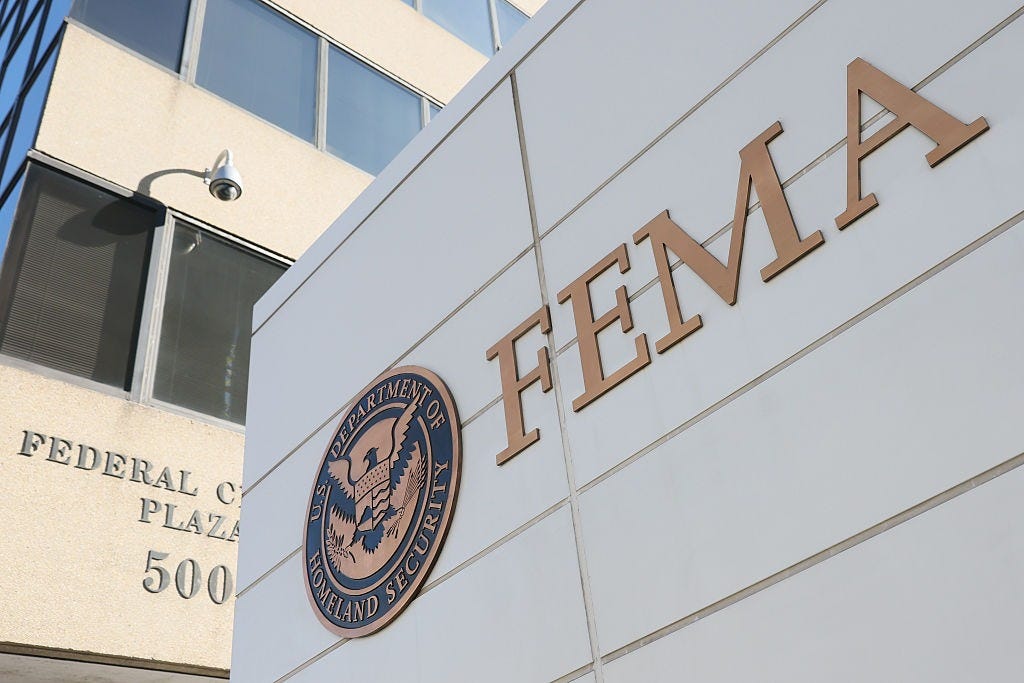
For decades, states have counted on Washington to help them rebuild after floods, fires and hurricanes. But now, FEMA is telling states to plan on handling most disasters themselves.
In our daily show, we visit three states facing very different challenges as the federal government prepares to shift more responsibility to state and local governments.
Then, throughout our network, we’re also looking at a California election official pushing back against a federal voter-list demand, a $14.7 million fraud in Alabama and a parasite threatening livestock in Texas and New Mexico.
In Today’s Show
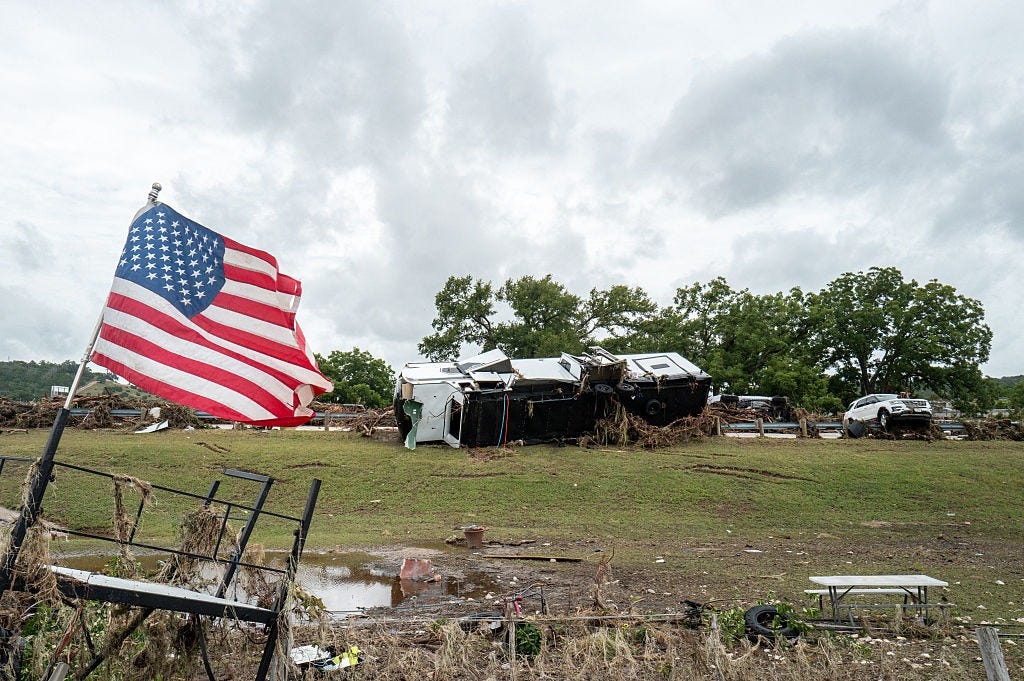
Texas Families Are Still Waiting for Federal Help After Being Flooded Twice in Two Years
Many families in Kerr County, Texas, have now been flooded twice in the last two years. Last summer, federal help for individuals arrived within days. This year, they waited three months before FEMA denied assistance for the July floods.
Texas Tribune reporter Emily Foxhall has been tracking the story and says the situation is especially difficult because many families were still rebuilding from the devastating 2025 floods when the water came through again. This time, nonprofit donations and volunteers haven’t been able to match those numbers. Texas has formally appealed FEMA’s decision, and President Trump has promised additional disaster funding, but it’s still unclear how much homeowners will receive.
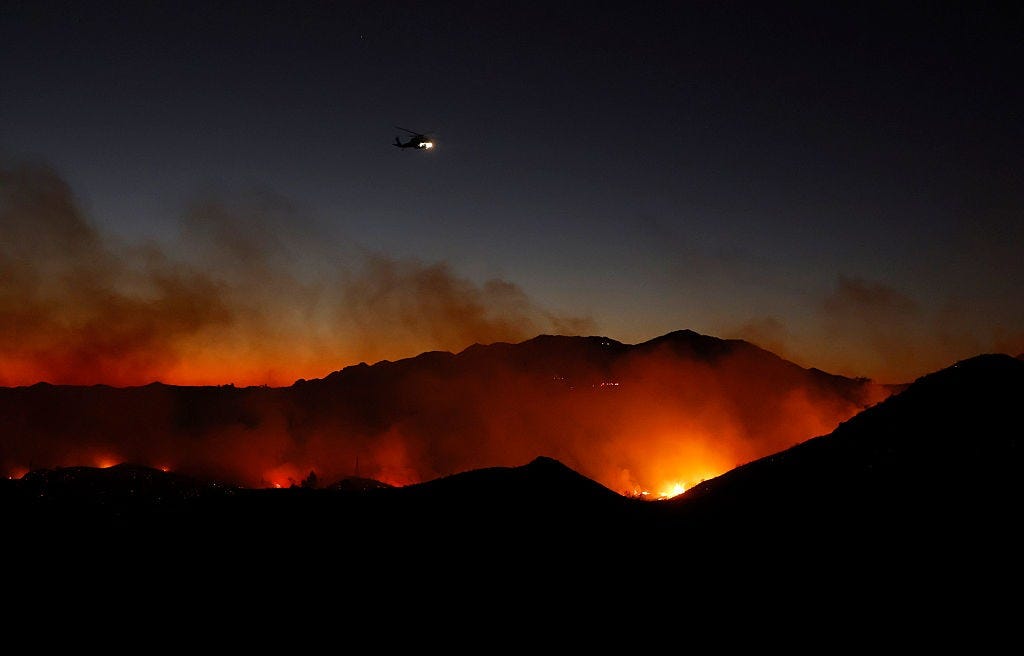
California Is Preparing for a Record El Niño Winter. Can It Do It Without FEMA?
This month, Tropical Storm Rachel brought flooding and damaged homes to Southern California. Days later, Santa Ana winds brought the fire danger back. Now the state is bracing for what could be a record-breaking El Niño winter.
FOX 26 reporter Liz Gonzalez joins us from Fresno, where Central Valley officials are already preparing for more floods. Liz says local governments have learned lessons from past disasters. But with Washington now signaling that states may need to handle more on their own, homeowners are also being told to prepare to take on more themselves.

Florida Homeowners Are Paying More for Insurance. Could They Soon Get Less?
If a hurricane, flood or wildfire hit your home tomorrow, who would help you pay to rebuild? For decades, part of the answer has been FEMA. But the federal government’s planned changes are raising hard questions about disaster aid, flood insurance and who can still afford to buy a home in areas prone to natural disasters.
Aaron Bass, an insurance attorney in West Palm Beach, Florida, represents homeowners in disputes with their insurance companies. He explains how disasters in one part of the country can drive up premiums everywhere, and why some homeowners are paying more for policies that cover less. He also warns that higher insurance costs, combined with mortgage rates and home prices, could push more families out of homeownership altogether. So what can homeowners do now to protect themselves?
The Headlines From Our Network
We are plugged into a network of hundreds of local reporters around the country. Every day our team scans local news from across the country so you don’t have to.
These are the stories that caught our eye:
A California Election Official Refuses to Set Aside Ballots After a DOJ Demand
Imagine getting a list of suspected noncitizen voters, a 48-hour deadline and a warning about federal charges. That’s what Butte County, California, elections chief Keaton Denlay says happened when federal officials demanded that his office set aside ballots associated with names on a Justice Department list.
But Denlay says the information was full of errors. Of the 45 distinct names he identified on the list, 32 weren’t on the county’s active voter rolls, and seven didn’t contain enough information to make a confident match. Denlay declined to set aside ballots based on the evidence provided. With Election Day approaching, the dispute is raising questions about voter eligibility checks, election integrity and what constitutes sufficient proof to challenge a ballot.
Mobile, Alabama, Sent $14.7 Million to a Fraudster Posing as a City Vendor
In Mobile, the city mistakenly sent $14.7 million to someone impersonating a legitimate contractor on its new arena project.
City officials say the fraudster built trust with employees through emails and phone calls before redirecting the payment. One employee has been fired, while two others have been placed on administrative leave. The FBI and Secret Service are investigating. The city says its computer systems were not compromised and that the theft wasn’t an inside job. For local governments across the country, it’s a reminder that even routine payments can become the target of sophisticated fraud.
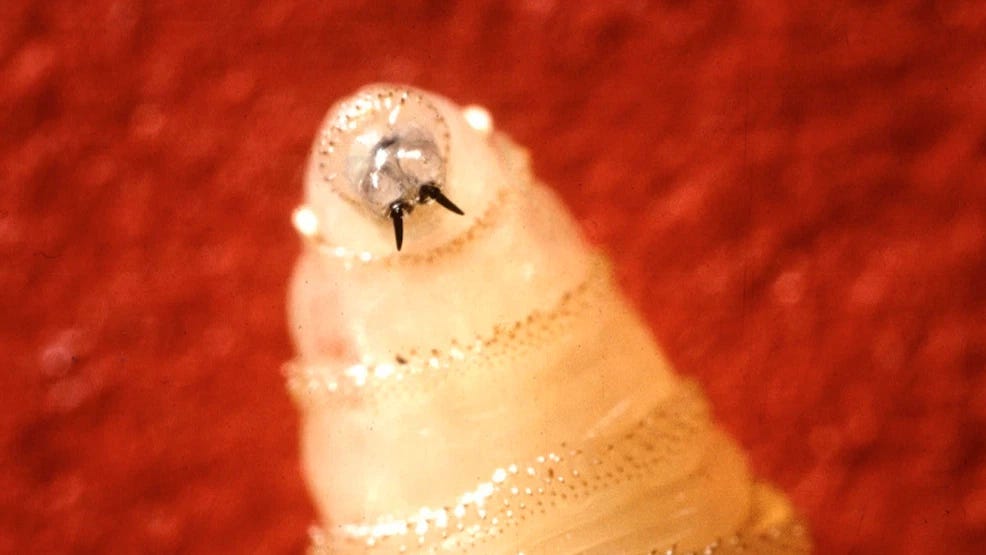
New Screwworm Cases in Texas and New Mexico
That pesky screwworm is back and making headlines again.
Federal officials recently confirmed four new cases near El Paso, two in Texas and two in New Mexico, just as the USDA reopened the livestock crossing in Columbus, New Mexico.
Texas agriculture officials are calling for stronger measures to contain the parasite, while federal authorities say increased surveillance and early reporting are essential. Despite the prospect of an outbreak, the USDA says the country’s food supply remains safe.
What else should we be covering?
The most important stories in America start in communities like yours.
Tell us what we’re missing in the comments, and share the local stories you think deserve national attention.
The National Press
Real reporting. From real America.