


Good morning, and welcome to The National Press.
With just one week until the midterm elections, we’re looking at the issues–not just the candidates–that people will vote on this year.
In our daily show, we cover two local stories that could have major consequences beyond their home states.
In New Hampshire, reporter Ahtra Elnashar spoke firsthand with voters, and found them angry about rising costs, frustrated with Washington and preparing to make their voices heard. How will their mood affect the race that could decide the Senate?
Meanwhile, in Ohio, a fight over prediction markets could determine how Americans are allowed to bet on sports and elections. What happens when prediction markets are more trusted than polling?
Throughout our network, we’re looking at a new federal emergency alert law, Google’s nuclear power plans in Iowa and a Republican official who says Sacha Baron Cohen tricked him into appearing in a comedy…
In Today’s Show
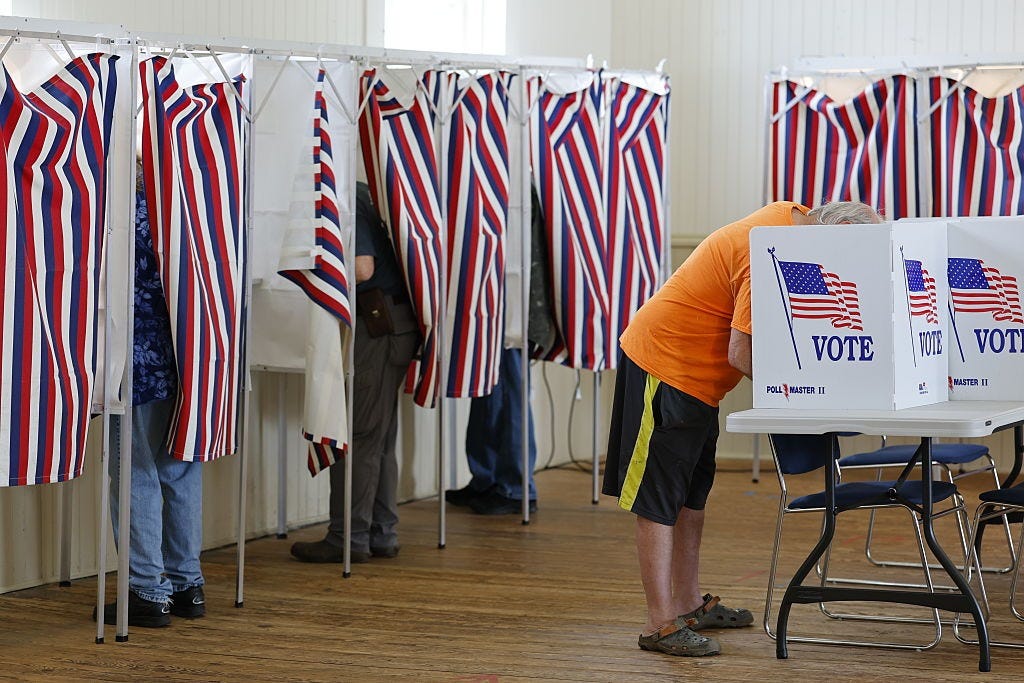
New Hampshire Voters Are Angry. But They’re Still Showing Up.
New Hampshire could determine which party controls the Senate this November, with Democrat Chris Pappas facing Republican John Sununu for an open seat. But as reporter Ahtra Elnashar found, when she went to New Hampshire this month, voters aren’t necessarily excited about either candidate. They’re worried about paying their bills, especially as home heating oil prices have increased 75% since last year.
One woman told Ahtra she plans to sleep in her living room this winter because she can’t afford to heat the upstairs. Small business owners described struggling with tariffs and rising costs. Yet despite their frustration, Elnashar says she didn’t meet a single voter who planned to sit out the election. That’s the New Hampshire spirit!

Are Prediction Markets Investing or Gambling? Ohio Wants the Supreme Court to Decide.
Americans are spending billions of dollars on prediction markets like Kalshi and Polymarket, trading on everything from football games to who will control Congress. But unlike traditional sportsbooks, these platforms aren’t subject to state gambling taxes. In Ohio, where sportsbooks pay a 20% tax on revenue, lawmakers argue the state could be missing out on tens of millions of dollars.
Reporter James Pilcher explains why Ohio and dozens of other states are fighting to regulate these apps as gambling, and why conflicting federal court rulings could ultimately put the question before the Supreme Court. The outcome could affect gambling taxes, age restrictions and even whether Americans can place bets on election results.
The Headlines From Our Network
We are plugged into a network of hundreds of local reporters around the country. Every day our team scans local news from across the country so you don’t have to.
These are the stories that caught our eye:
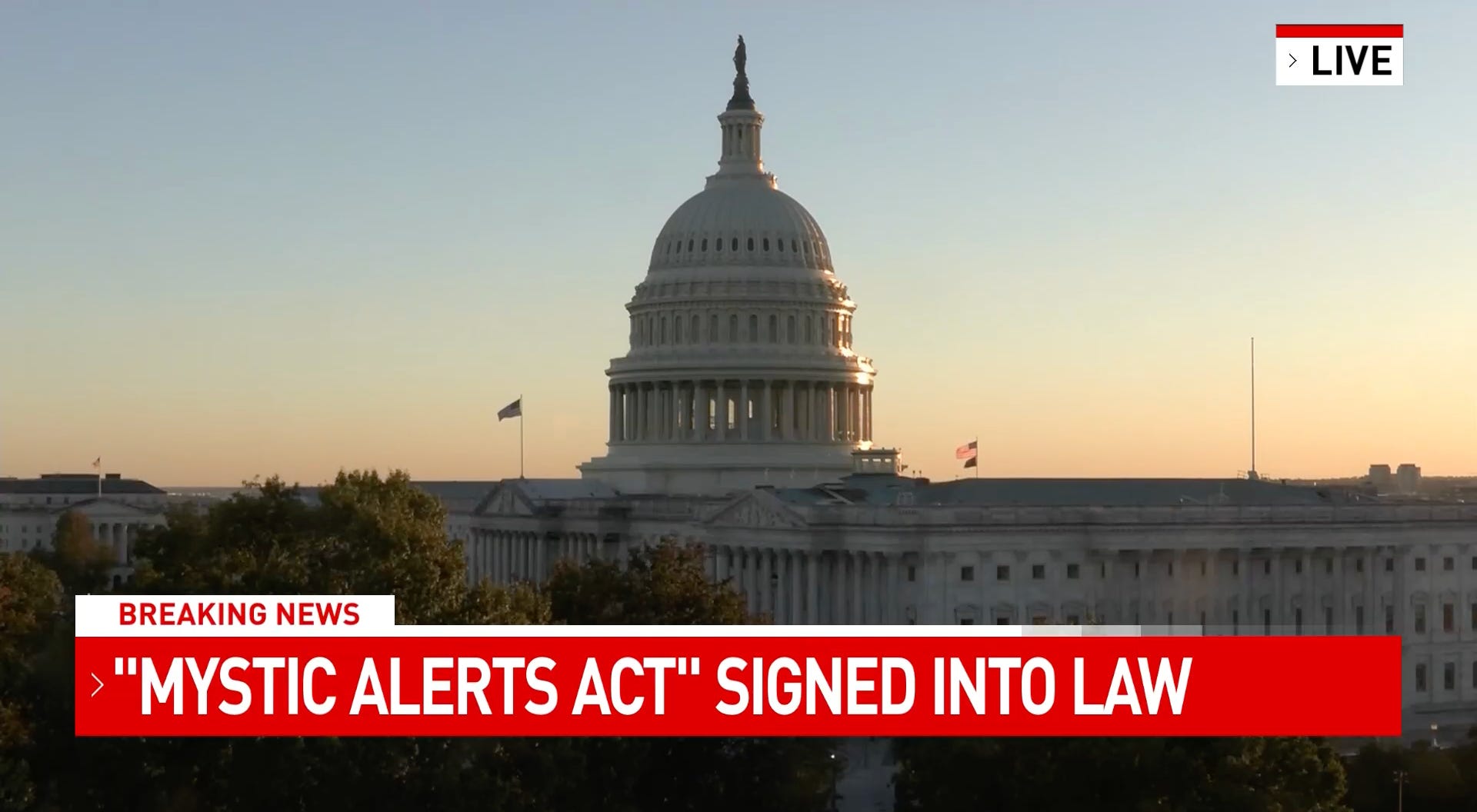
A Deadly Texas Flood Leads to a New Federal Emergency Alert Law
When devastating floods swept through the Texas Hill Country in July 2025 killing at least 136 people, some emergency warnings never reached residents because cell service had been knocked out. Now President Trump has signed the Mystic Alerts Act, allowing phone companies to work with satellite providers so emergency warnings can get through when cell towers fail. The change could eventually help communities across the country, but the FCC still needs to establish the rules before satellite alerts can be guaranteed.
Google Wants to Restart an Iowa Nuclear Plant to Power Its Data Centers
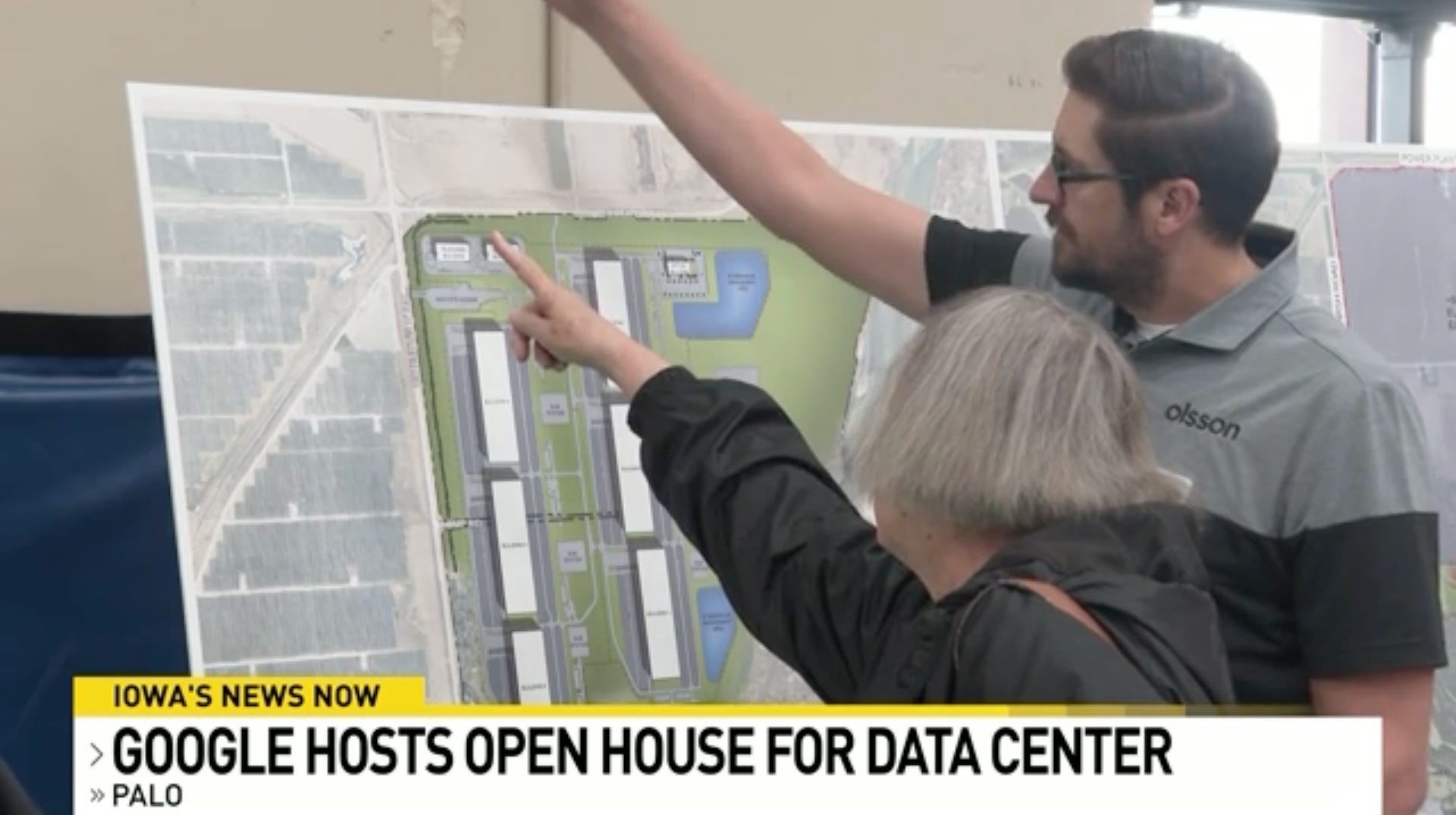
As communities question whether data centers will drive up electricity bills, Google is pitching a different approach in Palo, Iowa. The company has promised residents that its proposed project won’t raise their electric bills, in part by supporting the restart of a nearby shuttered nuclear plant. The plan is still moving through approvals, raising questions about the costs and risks of bringing aging energy infrastructure back online.

A Texas Republican Says Sacha Baron Cohen Tricked Him
El Paso County Republican Party Chairman Michael Aboud says he thought he was participating in a documentary about illegal immigration. Instead, he appears in Sacha Baron Cohen’s new comedy, Ali G: Who Iz I?, featuring a supposed former Mossad expert teaching self-defense to MAGA supporters. Aboud says he was misled about the production and plans to sue the comedian and his crew.
Maryland Police Test Technology That Tracks Bluetooth and Wi-Fi Signals
Police in Maryland are testing a new surveillance tool that goes beyond reading license plates. The technology, called SignalTrace, detects Bluetooth and Wi-Fi signals emitted by personal devices inside passing vehicles, potentially creating a digital fingerprint that can track devices traveling together.
Prince George’s County police are piloting the system, while the Harford County Sheriff’s Office plans to adopt it. Civil liberties advocates are raising concerns about how the technology could be used to monitor people without their knowledge.
Pennsylvania Moves Toward Lifetime Protection Orders for Sexual Assault Survivors
Pennsylvania’s Senate has passed legislation that would provide automatic lifetime protection orders to survivors of sexual and violent crimes at sentencing. The proposal, known as Kayleigh’s Law, would eliminate the need for survivors to repeatedly return to court to maintain protection from their abusers.
If approved by the state House, Pennsylvania would become the fifth state to enact such a law.
San Antonio Cancels Día de los Muertos Celebration Amid ICE Concerns
A Día de los Muertos celebration held for approximately two decades at San Antonio’s Woodlawn Lake has been canceled for only the second time in its history.
Organizers cited concerns about immigration enforcement activity, along with broader political and economic pressures. The cancellation comes as immigration arrests in the region have left some families concerned about attending public cultural events.
Is President Obama Causing a Rift Between National Democrats and Locals in Maryland?
Former President Barack Obama filmed an ad encouraging Maryland voters to support Question 3, a proposed constitutional amendment which would allow mid-cycle redistricting in the state. If passed, it would likely put Maryland’s only Republican representative, who represents Congressional District 1, out of a job. While Governor Moore and national Democrats support the measure, a UCMB poll found that 52% of likely voters in Maryland oppose the measure, and only 25% support it. In addition, both the incumbent Republican representative, Andy Harris (MD-01) and his opponent oppose the measure.
What else should we be covering?
The most important stories in America start in communities like yours.
Tell us what we’re missing in the comments, and share the local stories you think deserve national attention.
The National Press
Real reporting. From real America.