


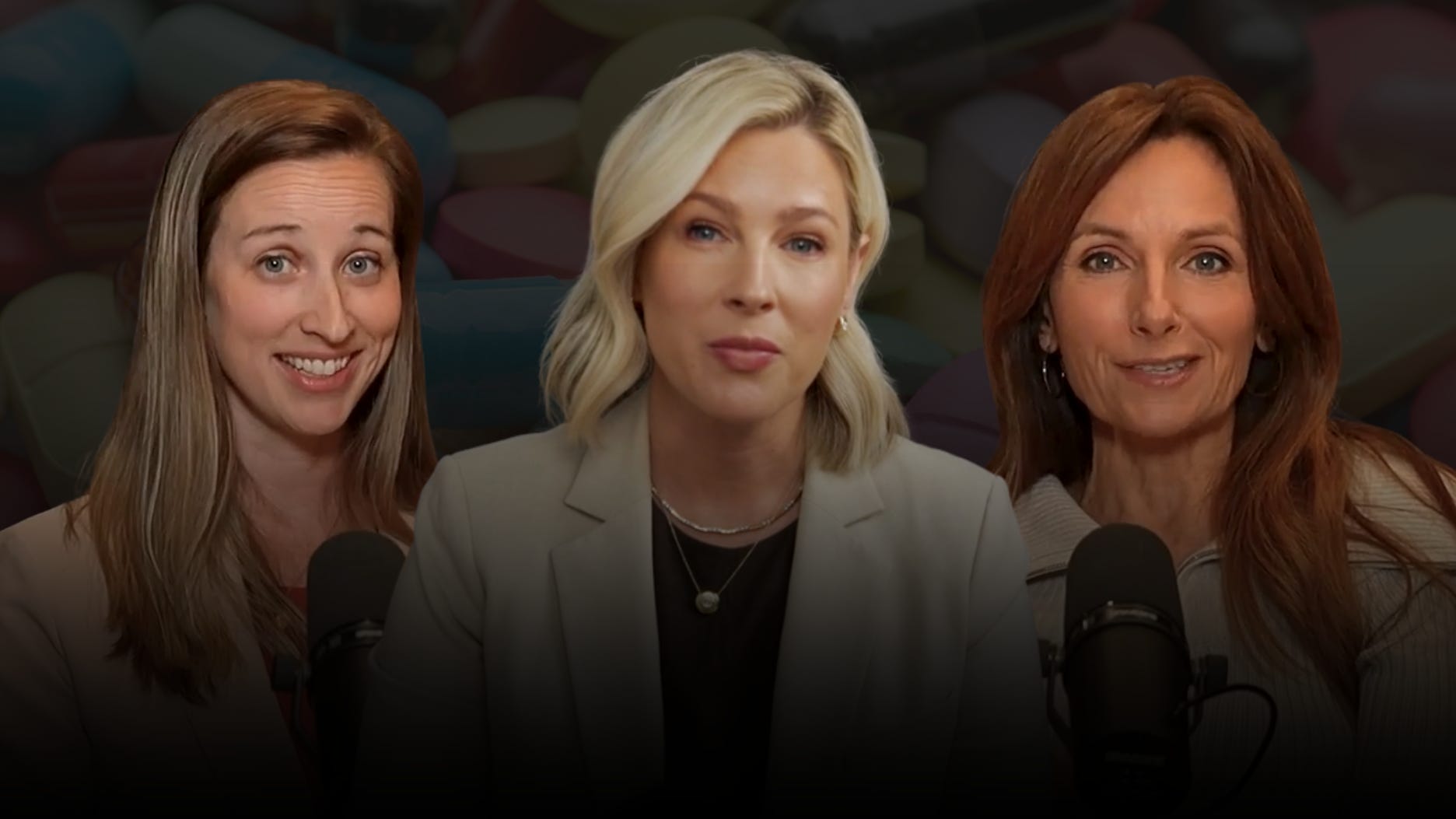
Good morning, and welcome to The National Press.
The midterm election led to major changes in state and federal leadership across the country.
But voters weren’t just picking candidates. They were making laws themselves.
On Election Day, we told you your ballot was probably longer than you thought. Now we know how most of it turned out. And there’s a pattern worth noticing: over and over again, when voters were asked to undo something they had already decided, they said no.
In Missouri, voters rejected an attempt to repeal the abortion-rights amendment they approved just two years ago. In Massachusetts, voters overwhelmingly rejected a proposal to shut down recreational marijuana shops. And Alaska voters appear to be keeping their ranked-choice voting system, although ballots are still being counted.
But not every state chose to keep things as they were. Florida voters approved a major property-tax cut, and voters in Virginia and Nevada wrote abortion protections into their state constitutions.
Meanwhile, we’re looking at an investigation that touches almost everybody.
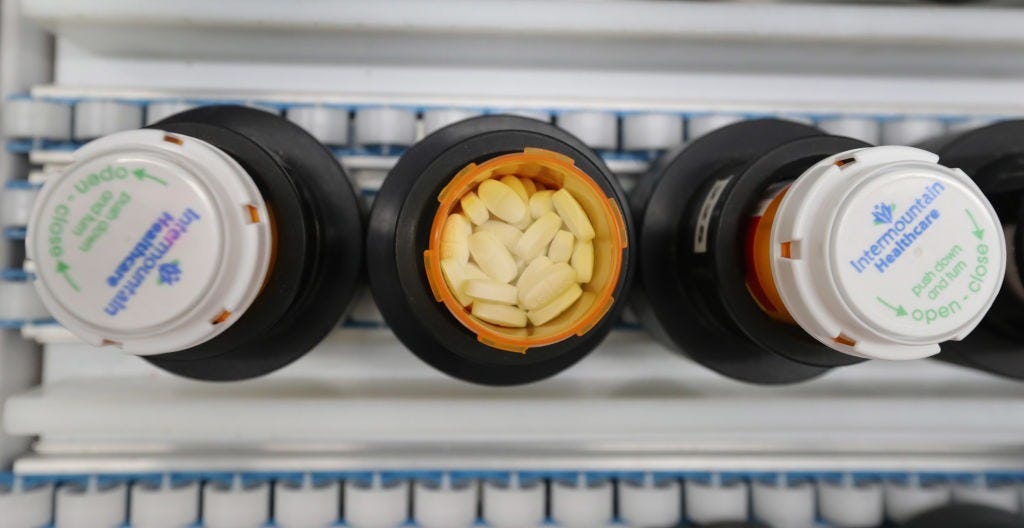
Take a look at the pill bottles inside your medicine cabinet. Do you know where those drugs were made? Nearly half of the generic medicines sold in the United States come from India, and an investigation by the Spotlight on America team has uncovered troubling questions about how some overseas factories are inspected and whether the medicines Americans depend on are being made safely.
We spoke with the journalists behind that investigation, Lisa Fletcher and Andrea Nejman, about what they found and why fixing the problem may be much harder than it sounds.
And finally, we’re looking at five newly elected governors and the promises they made about property taxes, schools, health care, data centers and insurance.
In Today’s Show
Do You Know Where Your Generic Drugs Are Made?
Take a look at the pill bottles inside your medicine cabinet. Do you know where those drugs were made?
Nearly 90% of the medicines Americans take are generic, and almost half of those generics come from India, according to the journalists behind a major investigation into America’s drug supply.
For more than a year, the Spotlight on America team has been tracking generic drugs from FDA inspection files to factory gates. What they found touches everything from eyedrops sold at Walmart to children fighting cancer.
Investigative reporter Lisa Fletcher and producer Andrea Nejman join us to discuss their documentary, Tainted Trust: Inside the Global Medicine Pipeline.
Their cameras in India captured workers loading bags of shredded documents onto a truck, before people at the scene demanded that the footage be deleted. The journalists couldn’t establish what was in those bags, but their review of FDA inspection records had already uncovered serious concerns about missing and destroyed manufacturing documents.
The team found inspection records referring to an unregistered testing laboratory, a possible example of what industry investigators call a shadow facility. In some overseas facilities, inspectors documented animals, sanitation problems and efforts to obstruct inspections.
One of the experts featured in the investigation, Ohio State University professor John Gray, also found an association between drugs manufactured in India and a 54% higher rate of severe adverse events, including hospitalizations and deaths. The researchers’ findings raise questions about quality control, although they don’t establish that every medicine from India is unsafe.
But perhaps the most troubling part of the investigation is how difficult it can be for Americans to find out where their drugs actually came from.
Fletcher and Nejman contacted eight pharmacies about one common generic medication, looking for an alternative to an Indian-made version. They couldn’t find one.
The problem, they say, comes down to cost. A small number of major purchasers control much of the generic-drug market, and the cheapest supplier frequently wins.
And there’s another complication. When regulators shut down a manufacturer with serious problems, critical medicines can disappear from the supply chain. The United States has already experienced major shortages of chemotherapy drugs, forcing doctors to make difficult decisions about treating patients, including children with cancer.
So how do we make the medicines Americans take safer without creating even more shortages?
One important note: Don’t stop taking prescribed medication because of this reporting. If you’re concerned about a drug’s safety or origin, talk to your doctor or pharmacist.

Five New Governors, Five States, and One Big Question: Can They Make Life More Affordable?
Everyone right now wants to talk about the balance of power in Washington, D.C. But the truth is that the next two years could be filled with standoffs, vetoes and investigations. What that probably doesn’t mean is a lot of new laws.
If you want to know who’s going to impact your everyday life, look somewhere else completely.
Governors.
Governors decide how much money goes to your kids’ schools, how much you pay in property taxes and what your electric bill looks like each month. And their jobs just got a lot bigger, with federal policy changes shifting more costs for Medicaid and food assistance to states.
We’re focusing on five states where Republicans have held the governor’s office for years, and in some cases decades: Ohio, Georgia, Iowa, Texas and Florida.
In Ohio, Democrat Amy Acton defeated Vivek Ramaswamy, becoming the state’s first woman elected governor. Acton campaigned on expanding property-tax relief for older and disabled homeowners and introducing new tax credits for working families.
In Georgia, former Atlanta Mayor Keisha Lance Bottoms became the first Black woman elected governor in the country. She’s promised to expand Medicaid, and she’ll take office as new federal requirements approach and Georgia’s existing Pathways health program remains far below its original enrollment projections.
In Iowa, Democrat Rob Sand defeated Republican Zach Lahn, ending 20 years without a Democratic governor. Sand wants data centers to lose their tax breaks and pay their own power bills. He’s also calling for stronger oversight of how much water those facilities use and where it comes from.
In Texas, Democrat Gina Hinojosa defeated three-term Republican Governor Greg Abbott, becoming the state’s first Latina governor. Hinojosa is calling for a moratorium on new data centers until lawmakers act. She also promises to end Abbott’s school voucher program and put that money back into public schools.
And in Florida, Republican Byron Donalds narrowly defeated Democrat David Jolly, becoming the state’s first Black governor. Donalds has promised to bring down homeowners insurance rates through a plan called Bring Down the Bill, which he says could reduce costs by 20% to 30%.
Look across these five states, and three themes emerge: historic victories, growing scrutiny of the donor class and the cost of living driving absolutely everything.
Even when the topic is education, health care or data centers.
Ballot Measures
Here is an update on some measures we’ve been keeping an eye on:
Missouri Voters Refuse to Reverse the Abortion Amendment They Passed Two Years Ago
Two years ago, Missouri voters added abortion rights to their state constitution.
This week, they were asked to undo that decision. They said no.
About 55% of voters rejected Amendment 3, which would have reversed the reproductive-rights amendment approved in 2024 and prohibited most abortions. The measure also included restrictions on gender-transition treatments for minors.
So abortion remains protected in Missouri up to fetal viability, usually around 24 weeks, subject to the state’s existing constitutional provisions.
Missouri was one of four states voting on abortion-related measures this year. Nevada and Virginia approved constitutional protections, while Idaho voters rejected an effort to loosen the state’s near-total abortion ban.
The result is another reminder that voters’ positions on abortion don’t always align neatly with the party they support.

Florida Homeowners Just Approved a Major Property-Tax Cut. Who Pays for It?
Florida voters made one of the biggest changes of Election Night: a major property-tax cut for homeowners.
Amendment 3 needed 60% support to pass, and it got roughly 62%, just clearing the threshold.
Beginning in 2027, the homestead exemption on certain local property taxes will increase, with another increase taking effect in 2028. For qualifying homeowners, that could mean significant savings.
But that money has to come from somewhere.
Critics warn the measure could cost cities and counties tens of billions of dollars over the next five years. And that raises questions about how local governments will pay for public services, from infrastructure and emergency response to other community needs.
So now that Florida homeowners have voted to lower their tax bills, local leaders will have to decide how to make up the difference.
California’s Billionaire Tax Is Trailing. Could It Still Change How States Tax the Wealthy?
In California, voters were asked whether the state’s richest residents should pay a one-time tax on their wealth.
Proposition 40 would impose a 5% tax on the net worth of billionaires who lived in California at the beginning of 2026. Supporters, led by a health care workers union, say it could raise tens of billions of dollars, mostly for health care, as federal funding cuts take effect.
But the proposal has divided Democratic leaders. California’s Democratic Party endorsed it, while Governor Gavin Newsom opposed it, warning that wealthy residents and their businesses might leave the state.
And after Election Day, the measure was trailing, with fewer than half of ballots counted in early returns. The result has not been finalized.
We covered the controversy earlier this week with FOX 26 reporter Liz Gonzalez. Whatever happens, other states will be watching to see whether a billionaire wealth tax can win voter support, and what happens when a state’s political leaders are divided over the idea.
→ Follow Proposition 40 Results
Alaska’s Ranked-Choice Voting System Appears to Be Surviving Another Challenge
Alaska voters have been here before.
In 2024, they considered repealing the state’s open-primary and ranked-choice voting system. The repeal effort initially led, but lost by just 743 votes after all the ballots were counted.
Now voters are deciding nearly the same question again.
Early results show opponents of repeal ahead, meaning Alaska could keep the voting system it adopted in 2020. But the state is known for slow counting, and many absentee and other ballots remain outstanding.
Supporters say ranked-choice voting gives voters more options and reduces the influence of party insiders. Opponents argue it makes elections more complicated and want to return to party primaries.
This is one election where the final answer may take longer than people expect.
Massachusetts Voters Choose Not to Shut Down Recreational Marijuana Shops.
Ten years ago, Massachusetts voters legalized recreational marijuana.
This week, they were asked whether they wanted to reverse that decision, close recreational marijuana shops and change the state’s cannabis laws.
They said no, overwhelmingly.
Voters rejected Question 8 by roughly three to one. It was the first attempt anywhere in the country to repeal an existing legal recreational marijuana market through a statewide vote.
Supporters of the repeal cited public health concerns, including the effects of widespread marijuana use and the risks of products that resemble familiar candies and snacks.
Opponents argued that shutting down the regulated industry would hurt businesses, eliminate jobs and potentially send customers back to the illegal market.
For now, Massachusetts’ recreational marijuana industry will remain intact.
D.C. and Denver Voters Just Banned Foie Gras on the Same Night
And finally, one of the more unusual results of Election Night.
Voters in Washington, D.C., and Denver both approved bans on foie gras, the fattened liver of ducks and geese produced through force-feeding.
No foie gras ban had ever been approved directly by voters in the United States. Now two have passed on the same night.
In Washington, approximately 73% of voters supported the measure. In Denver, the proposed ban was also winning comfortably in unofficial returns.
Animal-welfare advocates say force-feeding birds to enlarge their livers is cruel. Critics of the bans argue that the government shouldn’t be deciding which foods restaurants can serve.
But passing a ban and enforcing one aren’t necessarily the same thing. The D.C. measure faces implementation, funding and possible legal challenges.
Still, voters in two very different cities delivered the same message about a controversial luxury food.
What else should we be covering?
The most important stories in America start in communities like yours.
This week, voters made decisions that will affect their states for years to come. Which ballot measure or governor’s race matters most to you?
And what do you think about our reporting on generic drug safety? Will you change how you talk to your doctor or pharmacist about the medicines you take?
Tell us what we’re missing in the comments, and share the local stories you think deserve national attention.
The National Press
Real reporting. From real America.