


Good morning, and welcome to The National Press.
Happy Election Day!
Elections are about more than federal candidates, Washington intrigue or party control. They’re also about real-life impacts that people will have to live with for years to come.
Today, we’re looking at some of the most important issues voters are deciding across the country.
If you’re voting today, your ballot is probably longer than you think. Voters in 39 states are deciding 145 statewide ballot measures. From abortion rights and property taxes to election rules and recreational marijuana, these are the questions where voters skip the middleman and get the final say themselves.
Meanwhile, California voters are deciding whether the state’s richest residents should pay a one-time tax on their wealth. Supporters say it could raise roughly $100 billion, mostly for health care, as federal cuts hit the state. But Governor Gavin Newsom is fighting it, even as his own Democratic Party supports the proposal. Could the measure drive billionaires and their businesses out of California? And why are some Democrats so divided?
In Today’s Show

From Abortion to Property Taxes, Voters Are Deciding More Than Who Wins Congress
If you’re voting today, your ballot is probably longer than you think. Voters in 39 states are deciding 145 statewide ballot measures. These are the questions where voters skip the middleman and get the final say themselves. And many involve fights that couldn’t be settled anywhere else.
In Missouri, voters are being asked whether to reverse the abortion-rights amendment they approved just two years ago. In Florida, a proposal to expand the homestead property-tax exemption could save homeowners money but cost local governments billions. Alaska voters will decide whether to repeal ranked-choice voting after rejecting a similar measure by only 743 votes in 2024. And Massachusetts could become the first state to repeal legal recreational marijuana sales, a decade after voters approved them.
Some of these measures could come down to a few hundred votes. Others may not be settled until a judge weighs in. But whatever happens, the effects could be felt well beyond state lines.

California Wants to Tax Billionaires. So Why Is Gavin Newsom Against It?
California voters will decide whether the state’s richest residents should pay a one-time tax on their wealth. It’s called Proposition 40, and it would impose a 5% tax on the net worth of billionaires who lived in California on January 1 of this year. Supporters, led by a health care workers union, say it could raise about $100 billion, mostly for health care, as federal cuts hit the state.
But opponents warn it could drive the ultra-wealthy and their companies out of California for good. And it’s splitting Democratic leaders. The state Democratic Party endorsed the tax, but Governor Gavin Newsom is fighting it and has backed a rival measure that could block it. FOX 26 reporter Liz Gonzalez joins us from Fresno to explain why the governor opposes the proposal, how billionaire-backed opposition groups have dramatically outspent supporters, and why two competing ballot measures could prevent the tax from taking effect even if it wins a majority of votes.
The polls show a tight race. And whatever California decides, other states will be watching.
The Headlines From Our Network
We are plugged into a network of hundreds of local reporters around the country. Every day our team scans local news from across the country so you don’t have to.
These are the stories that caught our eye:
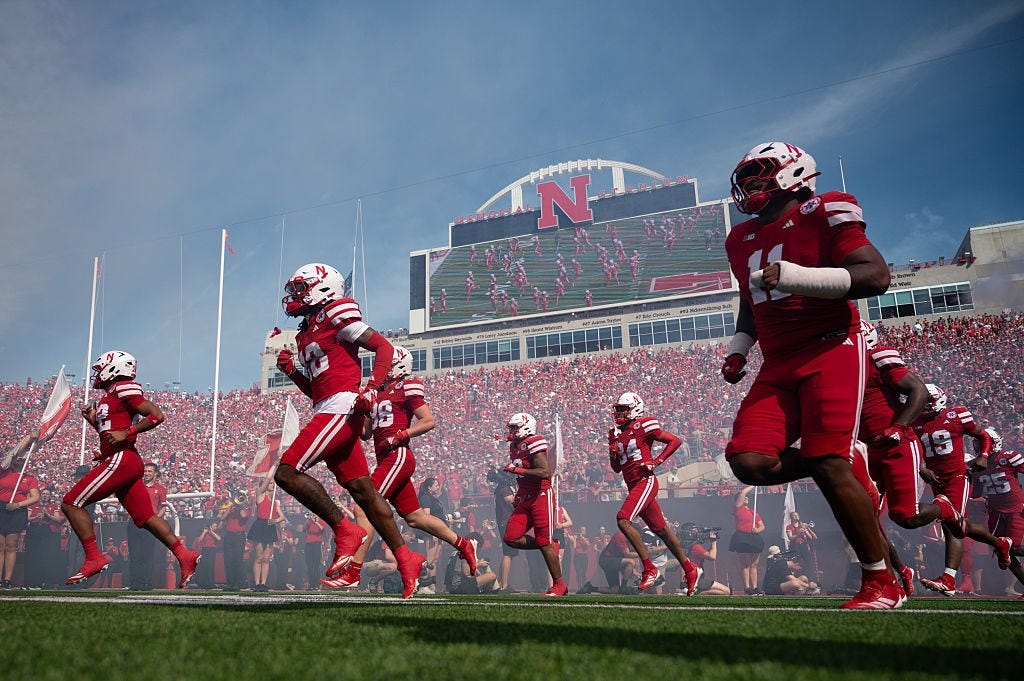
Nebraska Voters Will Decide Whether to Allow Online Sports Betting
It’s currently illegal in Nebraska to bet on sports from your phone. Today, that issue is on the ballot.
Supporters of changing the rules point to data showing about 83,000 users tried to access sportsbook apps from Nebraska during a single football season. Others who wanted to place bets without breaking state law have been crossing the border into Iowa.
Now voters are considering two measures. One would amend the constitution to allow online sports betting through licensed racetrack casinos. The other would establish rules and oversight. Under the proposal, 70% of wagering-tax revenue would go toward property-tax relief, with one study projecting roughly $166 million over 10 years.
Opponents say that would represent less than half of 1% of Nebraska’s annual property-tax burden, which exceeds $5 billion. The Nebraska Council on Problem Gambling has taken no position but warns that easier access could increase gambling-related harm.
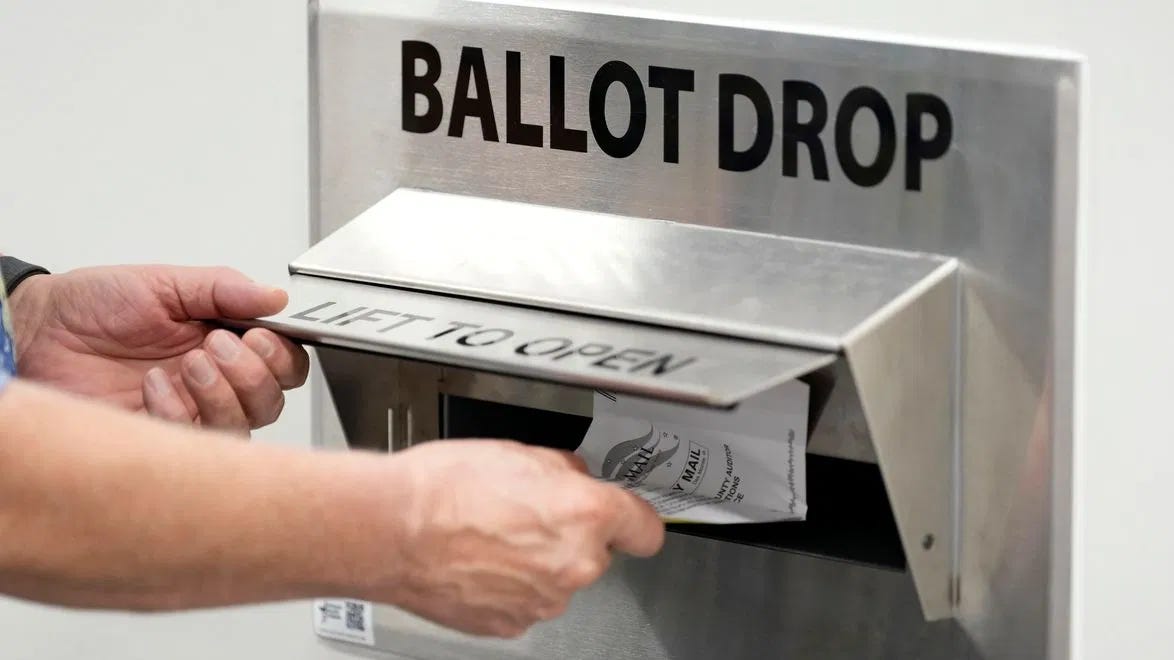
Fresno County Discovers a Ballot-Printing Error. Here’s What Voters Need to Know.
What happens when there’s a printing error on your ballot? The Fresno County Elections Office is having to apologize for just that.
FOX 26 News reports the county discovered what it calls a minor typographical printing error affecting three Fresno Unified School District trustee races. Voting screens correctly display Fresno Unified, but ballots printed by certain ballot-marking devices incorrectly identify the contests as Fowler Unified.
The county clerk says votes are still being recorded correctly for the Fresno Unified races, but officials cannot fix the printing error before Election Day. Instead, signs will be posted at ballot-marking devices explaining the mistake, and affected voters can request ballots printed on demand at any Vote Center without the error.
After Election Day, the county says it will conduct additional manual audits in the affected areas and add another proofing step for future elections.
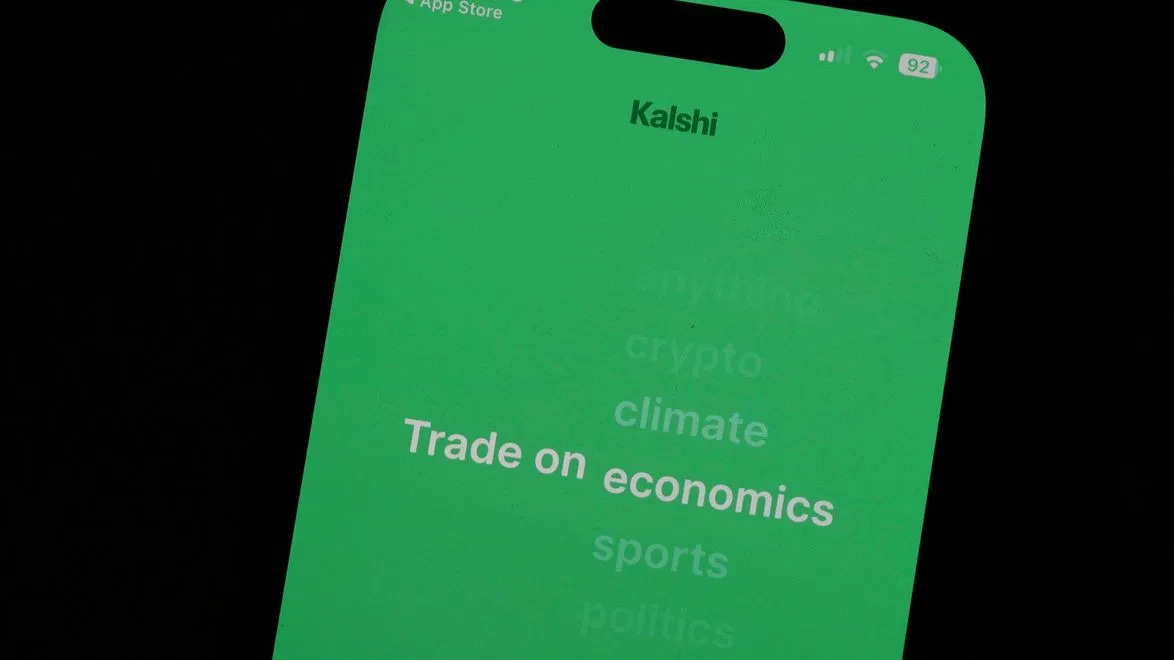
Maryland Has Banned Election Betting. So Why Have People Already Traded $1.1 Million?
Maryland has banned betting on elections. But more than $1.1 million in election trades has already been reported on prediction-market platforms Kalshi and Polymarket.
Maryland’s top election official says betting on elections is not the same as betting on a game. State Elections Administrator Jared DeMarinis says Maryland’s prohibition applies to prediction-market users and warns that corrupting influences could lead to threats against candidates.
But the companies argue their contracts are federally regulated by the Commodity Futures Trading Commission, not by state gambling laws.
And Maryland isn’t the only state dealing with the issue. Arizona’s attorney general has filed criminal charges against Kalshi, a Nevada court has restricted its election contracts, and Washington state has ordered the company to stop offering contracts tied to elections.
The dispute raises a question that could affect elections nationwide: Are prediction markets a form of investing, or are people gambling on American democracy?
Baltimore Voters Could Make Cash Payments to Families With Newborns Permanent
What if having a baby meant getting a cash payment from your city? That’s one of the questions Baltimore voters are deciding today.
A proposed amendment to the city’s charter would create a permanent “Baby Bonus” program, requiring roughly $17 million a year to provide cash assistance to families with newborns. The money would come from a dedicated property-tax levy. A small pilot program previously gave 200 families $1,000 a month after the birth of a child, and at least one participant says the payments helped her find housing and employment.
But critics say voters are being asked to approve a permanent financial commitment without knowing exactly how much families would receive or who would qualify. A taxpayer advocate is raising concerns about accountability and whether the city can afford the program.
Washington Groups Sue Over Federal Demand to Withhold Hundreds of Ballots
What happens when the federal government questions whether hundreds of registered voters are eligible to cast their ballots?
In Washington state, three advocacy organizations have filed a lawsuit against the Trump administration after the Justice Department demanded that state officials set aside roughly 405 ballots belonging to voters whose citizenship it questioned. Secretary of State Steve Hobbs rejected the demand, calling the federal government’s list inaccurate and full of errors.
The lawsuit, filed by OneAmerica Votes, the Latino Community Fund of Washington and the United Food and Commercial Workers union, alleges that the Justice Department’s actions violate the Voting Rights Act and the Constitution. The organizations also warn that the demand could intimidate eligible voters and election workers.
Nevada Judge Extends Voter Intimidation Order Through Election Day
In Las Vegas, a judge has extended a temporary restraining order through Election Day after allegations of voter intimidation at a Clark County early voting location.
The ACLU of Nevada says voters at the Desert Breeze Community Center encountered people blocking a narrow entrance, recording voters and making threats. The allegations also include an assault on a voter with a disability. The organization asked the court to intervene after raising concerns about whether people could safely access the polling location.
The order prohibits electioneering within 100 feet of the entrance pathway, and Clark County officials say they will comply.
What else should we be covering?
The most important stories in America start in communities like yours.
What are the most important issues on the ballot in your state or community? Has the campaign season addressed your concerns, or ignored them?
Tell us what we’re missing in the comments, and share the local stories you think deserve national attention.
The National Press
Real reporting. From real America.